Volume 24 number 1 article 1313 pages 36-46
Received: Sep 17, 2025 Accepted: Dec 23, 2025 Available Online: Feb 17, 2026 Published: Mar 02, 2026
DOI: 10.5937/jaes0-61540
APPLICATION OF ANALYTIC HIERARCHY PROCESS IN SITE SELECTION OF URBAN CONSOLIDATION CENTERS
Abstract
The Analytic Hierarchy Process (AHP) is a structured and widely-used multi-criteria decision-making (MCDM) method. This study applies AHP to evaluate and rank five potential sites for establishing an Urban Consolidation Center (UCC). UCCs serve as logistics hubs that aggregate deliveries in urban areas, aiming to reduce traffic congestion, emissions, and inefficiencies. The evaluation framework was developed using seven main criteria categories, each containing detailed sub-criteria. A hierarchy was constructed, and pairwise comparisons were conducted to derive weights. The consistency of judgments was verified using the Consistency Ratio (CR). The results yielded a final ranking of the locations, offering a rational and transparent approach to support urban logistics planning.
Highlights
- Creating a multi-level criteria framework to evaluate the suitability of locations in logistics systems.
- Application of a novel a multi-level criteria framework to compare potential Urban Consolidation Center alternatives.
- Application of Analytic Hierarchy Process to find the optimal location of Urban Consolidation Center.
Keywords
Content
1 Introduction
Urban Consolidation Centres (UCCs) have been increasingly discussed as promising instruments to tackle the negative impacts of urban freight distribution. By definition, a UCC is a logistics facility located near urban areas where goods from multiple suppliers are consolidated and then distributed to receivers with smaller, often low-emission vehicles. This concept aims to reduce congestion, emissions, and improve the efficiency of last-mile delivery, thereby contributing to more sustainable and livable cities [1].
Despite the potential, research and practice show that UCC initiatives often face difficulties in long-term viability. A systematic literature review highlights that while UCCs are frequently proposed for their environmental and social benefits, the economic dimension is often underexplored. Many projects fail to achieve sufficient financial sustainability, relying on subsidies or public procurement for survival. Furthermore, although UCCs have been studied for decades, the field remains fragmented and transdisciplinary, with limited integration of business perspectives and financing models [2].
Simulation studies have further demonstrated that UCCs can offer considerable cost savings in specific contexts. For example, analyses conducted in Budapest for concentrated demand clusters indicate that a consolidation-based system with freight gates could potentially reduce logistics costs by around 25%, though significant initial investments would be required for establishing consolidation centres and supporting infrastructure [3]. Similar modeling efforts in Copenhagen confirm the potential of UCCs to optimize delivery flows and reduce vehicle movements in dense city areas, although they emphasize that outcomes depend strongly on operational design and stakeholder involvement [4].
European practice reviews provide additional insights into success and failure factors. A large number of UCCs have been launched across Europe, yet many have been discontinued, mainly due to financial challenges and lack of stakeholder commitment. Success is more likely when UCCs are supported by strong public–private partnerships, regulatory frameworks such as access restrictions, and integration into broader urban mobility policies. Equally important are viable business models that ensure cost-sharing among carriers, retailers, and local authorities [5].
Empirical investigations from suppliers’ perspectives further underline that UCCs can reshape distribution networks by consolidating flows, thereby reducing the number of trips, but they also introduce new costs and organizational changes that not all actors are willing to adopt. This highlights the critical importance of balancing efficiency gains with economic feasibility and stakeholder interests [1].
In conclusion, while UCCs remain one of the most studied city logistics initiatives, their long-term success is far from guaranteed. Future research and implementation must go beyond technical optimization and environmental justification, placing stronger emphasis on governance models, financing mechanisms, and stakeholder collaboration. Without such considerations, UCCs risk remaining short-lived pilot projects rather than becoming durable elements of sustainable urban logistics systems.
When determining the optimal locations of Urban Consolidation Centers (UCCs), the Analytic Hierarchy Process (AHP) proves to be a particularly suitable method, as the structure of the planning task itself relies on a hierarchy that distinguishes between main and sub-criteria, thus forming a multi-level decision framework.
The Analytic Hierarchy Process (AHP) was developed by Thomas Saaty in the 1970s and has since become one of the most established methods for multi-criteria decision-making, structuring problems hierarchically, applying pairwise comparisons, and synthesizing results into transparent rankings [6]. Its methodological foundation relies on decomposing decision problems into levels of goal, criteria, and alternatives, where pairwise comparisons provide relative weights and the consistency ratio is used to evaluate the reliability of judgments [7]. Systematic reviews have confirmed that most AHP models contain a small number of criteria per level and usually aggregate group judgments by the geometric mean [8]. Large-scale bibliometric analyses have identified diverse research domains such as ecology, sustainability, risk assessment, and hybrid approaches integrating fuzzy logic [9]. Applications in logistics highlight the flexibility of the method. For example, Kauf and Tłuczak demonstrated its effectiveness in logistics center location problems [10], while Chang and Lin used it to support manufacturing plant site selection in a logistics network [11]. Rakhman and colleagues integrated SWOT and AHP to analyze warehouse selection in the Pulogadung industrial area in Jakarta [12], and Pajic and co-authors employed AHP alongside SWARA–MARCOS to examine warehouse location alternatives in Serbia [13]. Supplier evaluation remains a classical domain of AHP, and Alsuwehri presented one of the early frameworks for applying the method to supplier selection [14]. Konakli and Göksu combined AHP with TOPSIS to evaluate suppliers in Bosnia and Herzegovina [15], while Nugroho and Iskandar focused on construction companies in Indonesia using AHP for supplier assessment [16]. Warcono Adi and Heitasari extended this line of research by integrating AHP with TOPSIS in the energy sector [17]. Bányai proposed a novel integration of AHP with digital twin technology, demonstrating how real-time supplier selection can be embedded in cyber-physical systems [18]. Beyond logistics and supply chain management, AHP has been widely adopted in managerial decision-making. Stofkova and co-authors analyzed the accuracy of various computational methods for AHP and confirmed that Saaty’s eigenvector approach remains the most reliable [19]. In human resource management, Muhisn and colleagues applied AHP to select software project team leaders, highlighting its ability to include qualitative attributes such as leadership and adaptability [20]. The mathematical underpinnings of AHP have been elaborated in Hungarian academic resources, such as those by Temesi and Rapcsák, which emphasize the eigenvalue method and consistency testing [7]. Overall, the reviewed studies confirm that AHP is a robust, adaptable, and transparent decision support method. It has been successfully applied from logistics facility placement and warehouse selection to supplier evaluation and strategic management. Future developments are expected to focus on hybridization with fuzzy logic, integration with digital technologies, and further exploration of dynamic decision-making contexts [9]. The relevance of multicriteria decision-making methods has also been confirmed in other engineering domains, as shown by Zelentsov, Andrianov, and Mochalov [21], who applied a similar structured evaluation approach to Earth remote sensing data processing.
As the above literature review showed, Urban Consolidation Centers (UCCs) have been widely studied as potential solutions to the challenges of urban freight transport, including congestion, emissions, and inefficiencies in last-mile delivery. Prior research has explored the operational benefits of UCCs [1], reviewed the factors influencing their long-term viability [2], and examined their logistical and economic impacts through simulation-based and empirical approaches [3–5]. While these studies provide valuable insights into UCC functionality and implementation challenges, they typically focus on operational models, business cases, or policy-related aspects rather than on systematic site selection.
In parallel, the Analytic Hierarchy Process (AHP) has been extensively applied across a broad range of decision-making contexts, including logistics facility location, supplier evaluation, manufacturing site selection, risk assessment, and sustainability analysis [8–21]. These studies confirm that AHP is a robust and transparent tool for structuring complex decisions with multiple criteria. However, the majority of AHP-related contributions address general logistics or supply chain problems, and only a limited number focus specifically on urban freight infrastructure such as UCCs.
Recent studies further emphasize the growing relevance and complexity of Urban Consolidation Center (UCC) development in different urban contexts. Research on public acceptance highlights that stakeholders’ perception of UCCs and their expected impacts plays a critical role in implementation success [22], while studies focusing on retailers reveal the need for supportive policies and collaborative logistics models to ensure adoption [23]. Systematic reviews show that the environmental and operational benefits of UCCs vary widely depending on system design, modelling assumptions, and performance indicators [24], underscoring the need for more transparent and comprehensive evaluation approaches. Additional contributions demonstrate how corporate social responsibility strategies and regulatory instruments influence the attractiveness of UCC-based logistics services [25], and how cost allocation mechanisms among stakeholders affect the long-term financial sustainability of such systems [26]. Furthermore, recent optimization studies confirm the potential of UCCs to reduce both operational costs and emissions when appropriately integrated into urban distribution networks [27].
Despite the existence of valuable groundwork in these two streams of research, a clear methodological gap remains. Previous studies have not established a comprehensive, multi-level evaluation framework that integrates environmental, economic, regulatory, infrastructural, property-related, transportation, and operational criteria into a unified model tailored specifically to UCC site selection. Existing works often consider a narrower set of factors or treat UCC location decisions as secondary elements within broader logistics analyses. As a result, there is a lack of structured decision-support tools that can capture the full complexity of UCC planning.
The present study addresses this gap by developing an integrated AHP-based framework that systematically evaluates five potential UCC locations using seven main criteria and 34 sub-criteria. The contribution of this research lies not in methodological novelty, but in the application of a detailed, holistic, and replicable multi-criteria evaluation model specifically designed for UCC site selection. This approach strengthens the analytical basis for urban logistics planning and provides decision-makers with a structured tool for comparing alternative sites in a consistent and transparent manner.
The goal of this study is to apply the AHP method to derive a transparent and well-structured decision-support framework for UCC location planning. The methodology integrates expert judgments and structured data evaluation, ensuring consistency and completeness. The evaluation includes seven main criteria categories, each composed of multiple sub-criteria, to ensure a holistic assessment of each site.
The remainder of this paper is structured as follows: Section 2 describes the research methodology, including the AHP steps and the hierarchical structure of criteria. Section 3 presents the results and discusses the implications of the findings. Section 4 concludes the paper with a summary of the key insights and suggestions for future research.
2 Materials and methods
Section 2 presents the research design and methodology. It begins with an explanation of the hierarchical structure of criteria and sub-criteria used in the Analytic Hierarchy Process (AHP), continues with the pairwise comparison procedure and weight calculation, and then addresses the consistency evaluation of judgments. The section concludes with the aggregation process and the final scoring of the alternatives.
2.1 Hierarchy structure
The method begins by structuring the decision problem into a hierarchy. At the top is the overall goal, followed by layers of criteria and sub-criteria, and finally the alternatives at the bottom. AHP involves pairwise comparisons between elements at each level of the hierarchy, where decision-makers evaluate the relative importance of one element over another using a standardized scale from 1 (equal importance) to 9 (extreme importance). These comparisons are used to generate weights that reflect the decision-makers’ priorities.
The AHP method was deemed particularly suitable for this research due to the hierarchical nature of the evaluation framework. The decision-making problem was structured into major criteria categories, each comprising multiple sub-criteria. This mirrored the core logic of AHP, which organizes complex problems into a multi-level structure to capture the full depth and interrelation of relevant factors. By applying AHP, it was possible to systematically assess and weight both high-level strategic considerations and detailed operational aspects, ensuring a comprehensive and nuanced site selection process.
For this analysis, the goal was defined as identifying the optimal UCC site among five alternative locations. The evaluation was based on seven main categories of criteria, each containing multiple sub-criteria that allowed a detailed and comprehensive analysis. These categories were the followings:
- Sustainability and Environmental Factors, including availability of renewable energy sources, green area ratio, ecological impact, and proximity to waste management facilities.
- Economic and Regulatory Factors, such as tax incentives, legal regulations, labor costs and availability, and trends in the logistics real estate market.
- Location and Urban Integration, including distance from city center and residential areas, and the level of support from local authorities and communities.
- Utilities and Energy, which assessed the availability of water, electricity, fiber optic infrastructure, and district heating.
- Property Characteristics, covering land status and size, buildability, price/rent cost, zoning restrictions, and soil conditions.
- Transportation Infrastructure, including proximity to highways, ports, and rail terminals, access to designated truck routes, local road conditions, and the need for new infrastructure.
- Logistics and Operational Aspects, such as warehouse capacity, efficiency of loading/unloading, availability of logistics providers, cold storage, and e-mobility infrastructure.
The selection of the criteria and sub-criteria used in this study was based on a comprehensive review of the scientific literature on Urban Consolidation Centers (UCCs), logistics facility location planning, and multi-criteria decision-making frameworks. Previous research consistently highlights that UCC performance is influenced by a combination of environmental, economic, regulatory, infrastructural, spatial, and operational factors. Therefore, the seven main categories applied in this study were chosen because they represent the most relevant and widely acknowledged dimensions affecting UCC feasibility and long-term viability.
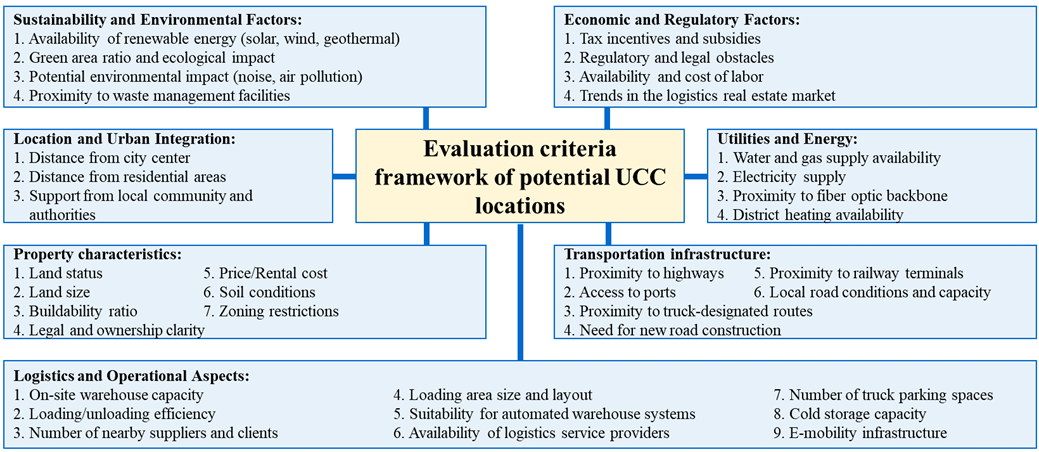
Fig. 1. Evaluation criteria framework [28]
Within each category, the sub-criteria were defined to capture more detailed and measurable attributes that directly influence site suitability, such as land price, zoning restrictions, ecological impact, availability of utilities, road access, and warehouse capacity. These elements reflect both the practical considerations commonly used by logistics planners and the decision variables emphasized in related academic studies.
Additionally, the hierarchical structure of the criteria framework aligns with the methodological principles of the Analytic Hierarchy Process (AHP), which requires the decomposition of complex decisions into logically organized levels. The applied framework also builds upon and refines structures proposed in earlier UCC-related research, ensuring conceptual consistency and methodological rigor. As a result, the selected criteria and sub-criteria provide a comprehensive, literature-based, and decision-analytically sound foundation for evaluating and comparing potential UCC locations.
2.2 Pairwise comparison and weight calculation
Pairwise comparisons were made among the main criteria using Saaty's fundamental scale, which ranges from 1 to 9. In this scale, a value of 1 indicates equal importance between two criteria, while values of 3, 5, 7, and 9 reflect increasing levels of preference for one criterion over another (e.g., moderate, strong, very strong, and extreme importance, respectively). Even-numbered values (2, 4, 6, 8) can be used to express intermediate judgments.
Each criterion was compared with every other criterion in a matrix containing all possible pairwise combinations. This matrix is represented as:
| $A = \left[a_{ij}\right]$ | (1) |
where i the relative importance of criterion i over j.
To ensure consistency, the reciprocal property is used:
| $a_{ji}=\frac{1}{a_{ij}}, \quad a_{ii}=1 $ | (2) |
If, for example, criterion A is judged to be n times more important than criterion B, then:
| $a_{AB} = n $ and $a_{BA} = \frac{1}{n}$ | (3) |
To ensure logical consistency, all diagonal elements are set to 1:
| $a_{ii} = 1 \quad \forall i $ | (4) |
After completing the pairwise comparisons, the matrix is normalized by summing each column and dividing each element in that column by the corresponding column sum:
| $\tilde{a}_{ij} = \frac{a_{ij}}{\sum_{k=1}^{n} a_{kj}}$ | (5) |
This normalization transforms each column to sum to 1. The priority (or weight) of each criterion is then calculated as the average of each row in the normalized matrix:
| $w_i = \frac{1}{n} \sum_{j=1}^{n} \tilde{a}_{ij} $ | (6) |
These values form the priority vector, which reflects the relative weights of the criteria and represents the decision-maker's judgment in numerical form.
This same procedure was applied within each main criterion category to compare its sub-criteria. The resulting local weights were then multiplied by the corresponding main criterion weight to obtain the global weights
| $g_{ij} = w_i \cdot v_{ij}$ | (7) |
where is the global weight of sub-criterion j within main criterion i, is the global weight of the main criterion i, and is the local weight of sub-criterion j relative to others in its group.
By structuring the comparisons hierarchically and applying this consistent procedure, the AHP method enables the integration of both high-level strategic priorities and detailed operational aspects into a single, logically coherent decision-making framework (see Table 1).
Table 1. Pairwise comparison matrix of the main criterias
|
Sustainability |
Economic |
Location |
Property |
Utilities |
Transportation |
Logistics |
|
|
Sustainability |
1 |
3 |
5 |
5 |
7 |
7 |
9 |
|
Economic |
1/3 |
1 |
3 |
3 |
5 |
5 |
7 |
|
Location |
1/5 |
1/3 |
1 |
3 |
3 |
5 |
5 |
|
Property |
1/5 |
1/3 |
1/3 |
1 |
3 |
3 |
5 |
|
Utilities |
1/7 |
1/5 |
1/3 |
1/3 |
1 |
3 |
3 |
|
Transportation |
1/7 |
1/5 |
1/5 |
1/3 |
1/3 |
1 |
3 |
|
Logistics |
1/9 |
1/7 |
1/5 |
1/5 |
1/3 |
1/3 |
1 |
The values in Table 1 were generated using expert-constructed data. Instead of relying on survey responses or a broader sample, the pairwise comparisons were developed by applying expert judgment to create a logically consistent and methodologically sound representation of the relationships among the seven main criteria. These expert-constructed values were designed to reflect realistic priority structures typically observed in Urban Consolidation Center (UCC) site selection and to demonstrate the full analytical workflow of the Analytic Hierarchy Process (AHP). This approach ensures transparency, reproducibility, and coherence, while allowing the methodological focus of the study to be presented without dependence on external respondent data.
After establishing the global structure by comparing the seven main criteria categories, the AHP methodology was further applied at a more detailed level. Within each of the main categories, a group of sub-criteria was identified and structured, resulting in a total of 34 sub-criteria across all seven categories. These sub-criteria capture more granular and practical aspects of Urban Consolidation Center (UCC) site selection, such as “land price,” “proximity to residential areas,” “availability of district heating,” or “ecological impact.”
For each group of sub-criteria, a separate pairwise comparison matrix was created, following the same principle as applied to the main criteria. For instance, in the Property Characteristics category, six sub-criteria were identified (P1 to P6). Each of these was compared with the others using Saaty’s 1–9 scale, forming a 6×6 matrix. In this matrix, the cell at row i and column j indicates how much more important sub-criterion i is compared to sub-criterion j. The reciprocal values are automatically placed in the opposite positions, ensuring mathematical consistency.
After completing all pairwise comparisons, the same normalization procedure was applied: summing each column, dividing each element by its column total, and then averaging the rows to obtain local priority weights for each sub-criterion. These weights reflect the relative importance of the sub-criteria within their respective category.
Next, these local weights were multiplied by the global weight of the corresponding main criterion to obtain global weights. This step allowed for the integration of hierarchical information and ensured that both the importance of each main criterion and the relative priority of its sub-criteria were taken into account.
Finally, each of the five location alternatives (V1 to V5) was evaluated against all 34 sub-criteria. The performance scores were assigned based on expert judgment, external data, and site-specific characteristics. These raw performance values were then multiplied by the respective global weights of the sub-criteria. The resulting weighted scores were summed for each alternative, yielding final aggregate scores. Based on these totals, the overall ranking of the five candidate sites was derived.
This approach provided a fully transparent, mathematically consistent, and hierarchically integrated evaluation system.
2.3 Consistency evaluation
One of the critical features of the Analytic Hierarchy Process is the built-in consistency check. Since AHP relies on expert judgment to compare criteria and sub-criteria in a pairwise fashion, there is always a risk of logical contradictions or cognitive bias. For example, if Criterion A is preferred to B, and B is preferred to C, then logically A should be preferred to C. However, in practice, experts may unintentionally provide judgments that violate this transitive property.
The Consistency Ratio (CR) provides a quantitative measure to assess how logically coherent the pairwise comparisons are. A low CR value (typically less than 0.10) indicates that the judgments are reasonably consistent, whereas a high CR suggests the need to revise and re-evaluate the comparisons. Without this step, the reliability of the resulting weights and, consequently, the final decision could be seriously compromised.
Therefore, consistency analysis enhances the credibility, transparency, and robustness of the AHP-based evaluation process. It ensures that the decision-making framework is not only comprehensive and structured, but also internally logical.
To verify the consistency of the pairwise comparisons, the Consistency Index (CI) was calculated using the following formula:
| $CI = \frac{\lambda_{\max} - n}{n - 1}$ | (8) |
where n is the size (dimension) of the comparison matrix, and is the largest eigenvalue of the matrix, which can be estimated as:
| $(\lambda_{\max} = \frac{1}{n} \sum_{i=1}^{n} \left( \frac{(A \cdot w)_i}{w_i} \right) $ | (9) |
Here, ($A \cdot w$) is the weighted sum vector, calculated by multiplying the original pairwise comparison matrix with the priority vector:
| $(A \cdot w)_i = \sum_{j=1}^{n} a_{ij} \cdot w_j$ | (10) |
To assess whether the consistency level is acceptable, the Consistency Ratio (CR) was then computed as:
| $CR = \frac{CI}{RI}$ | (11) |
where RI refers to the Random Index, which depends on the size of the matrix. For a 7×7 matrix, the corresponding RI value is 1.32.
According to Saaty [6], a CR value less than 0.10 indicates an acceptable level of consistency in the judgments. If CR exceeds this threshold, the comparison matrix should be reviewed and adjusted accordingly.
2.4 Aggregation and final scoring
After computing the weights and checking the consistency of the main criteria, the same AHP procedure was applied to each group of sub-criteria. For every set of sub-criteria associated with a main criterion, a separate pairwise comparison matrix was created, normalized, and tested for consistency using the same methodology.
The global weight of each sub-criterion was calculated by multiplying its local weight by the weight of the corresponding main criterion.
| $g_{ij} = w_i \cdot v_{ij} $ | (12) |
This hierarchical structure allowed for a comprehensive and systematic analysis of all factors involved in the decision-making process.
Once the global weights were determined, each of the five potential sites (denoted as A) was assessed against all the sub-criteria (C). Each alternative received a performance score for sub-criterions. These were aggregated using the global weights:
| $S_k = \sum_{j=1}^{n} g_j \cdot p_{kj} $ | (13) |
The resulting scores formed the basis of the final ranking of the alternatives.
This approach ensured that each decision dimension was appropriately accounted for, and it facilitated a fair and objective comparison of the alternatives. The process enabled a comprehensive, structured, and transparent evaluation, incorporating both hard data (e.g., infrastructure conditions, costs) and soft factors (e.g., environmental impact, community support). The use of AHP allowed for stakeholder involvement at multiple levels, improving acceptance and credibility of the results.
3 Results and discussion
Following the hierarchical weighting process using the Analytic Hierarchy Process, the final weighted performance scores for each of the five candidate Urban Consolidation Center (UCC) locations were calculated (see Table 2). Each site (V1 to V5) was evaluated across all 34 sub-criteria, where each sub-criterion carried a global weight derived from its local weight (within its category) and the global weight of the main criterion.
Table 2. Final priorities of the UCC site alternatives
|
Alternative |
Priority |
Rank |
|
V2 |
0.1412 |
1 |
|
V1 |
0.1219 |
2 |
|
V4 |
0.1077 |
3 |
|
V3 |
0.0463 |
4 |
|
V5 |
0.0410 |
5 |
As Table 3 shows, the final scores indicate the overall performance (summed scores).
|
|
V1 |
V2 |
V3 |
V4 |
V5 |
|
P1 |
0.000192272 |
0.00173 |
0.000192 |
0.000192 |
0.00173 |
|
P2 |
0.018 |
0.0293 |
0.0046 |
0.0065 |
0.0016 |
|
P3 |
0.000375146 |
0.00026 |
0.000585 |
0.000115 |
$4.72 \cdot 10^{-5}$ |
|
P4 |
0.00030975 |
$3.49 \cdot 10^{-5}$ |
$9.29 \cdot 10^{-5}$ |
0.000199 |
0.000137 |
|
P5 |
$7.31406 \cdot 10^{-5}$ |
0.000331 |
0.000212 |
$1.91 \cdot 10^{-05}$ |
0.000103 |
|
P6 |
$3.97585 \cdot 10^{-05}$ |
$9.36 \cdot 10^{-05}$ |
$5.97 \cdot 10^{-05}$ |
$1.28 \cdot 10^{-05}$ |
0.000145 |
|
T1 |
0.018 |
0.0293 |
0.0046 |
0.0065 |
0.0016 |
|
T2 |
0.018 |
0.0293 |
0.0046 |
0.0065 |
0.0016 |
|
T3 |
$2.18456 \cdot 10^{-05}$ |
$2.18456 \cdot 10^{-05}$ |
$8.67 \cdot 10^{-05}$ |
$9.69 \cdot 10^{-06}$ |
0.000141 |
|
T4 |
$4.77598 \cdot 10^{-05}$ |
$7.49 \cdot 10^{-06}$ |
$7.48 \cdot 10^{-05}$ |
$2.78 \cdot 10^{-05}$ |
$4.64 \cdot 10^{-06}$ |
|
T5 |
$3.22141 \cdot 10^{-06}$ |
$5.71 \cdot 10^{-05}$ |
$9.57 \cdot 10^{-06}$ |
$3.01 \cdot 10^{-05}$ |
$1.97 \cdot 10^{-06}$ |
|
T6 |
$3.29899 \cdot 10^{-06}$ |
$7.74 \cdot 10^{-06}$ |
$5.61 \cdot 10^{-05}$ |
$3.15 \cdot 10^{-05}$ |
$2.11 \cdot 10^{-05}$ |
|
U1 |
0.000385372 |
0.000256 |
0.00013 |
$4 \cdot 10^{-05}$ |
0.000687 |
|
U2 |
0.000136661 |
$7.19 \cdot 10^{-05}$ |
0.000349 |
$2.79 \cdot 10^{-05}$ |
0.000226 |
|
U3 |
$8.81809 \cdot 10^{-05}$ |
0.00024 |
$2.99 \cdot 10^{-05}$ |
$1.42 \cdot 10^{-05}$ |
0.000153 |
|
U4 |
0.000116282 |
$3.83 \cdot 10^{-05}$ |
0.000271 |
$1.57 \cdot 10^{-05}$ |
$8.33 \cdot 10^{-05}$ |
|
U5 |
0.000207195 |
$3.69 \cdot 10^{-05}$ |
$9.23 \cdot 10^{-05}$ |
$1.05 \cdot 10^{-05}$ |
$5.71 \cdot 10^{-05}$ |
|
S1 |
0.027507771 |
0.002381 |
0.007132 |
0.043118 |
0.011611 |
|
S2 |
0.005760667 |
0.010194 |
0.003131 |
0.018747 |
0.001661 |
|
S3 |
0.010284533 |
0.004824 |
0.002021 |
0.000599 |
0.004824 |
|
S4 |
0.018 |
0.0293 |
0.0046 |
0.0065 |
0.0016 |
|
L1 |
$2.09745 \cdot 10^{-05}$ |
$9.69 \cdot 10^{-05}$ |
$5.49 \cdot 10^{-05}$ |
$5.48 \cdot 10^{-06}$ |
$3.11 \cdot 10^{-05}$ |
|
L2 |
$1.13786 \cdot 10^{-05}$ |
$2.51 \cdot 10^{-05}$ |
$3.89 \cdot 10^{-05}$ |
$7.96 \cdot 10^{-06}$ |
$2.36\cdot 10^{-06}$ |
|
L3 |
$4.79298 \cdot 10^{-05}$ |
$8.01 \cdot 10^{-06}$ |
$4.25 \cdot 10^{-06}$ |
$1.47 \cdot 10^{-05}$ |
$2.61 \cdot 10^{-05}$ |
|
L4 |
$1.66716 \cdot 10^{-05}$ |
$2.85 \cdot 10^{-05}$ |
$1.14 \cdot 10^{-05}$ |
$6.26 \cdot 10^{-06}$ |
$2.26 \cdot 10^{-06}$ |
|
L5 |
$2.8361 \cdot 10^{-05}$ |
$4.25 \cdot 10^{-06}$ |
$1.11 \cdot 10^{-05}$ |
$1.62 \cdot 10^{-05}$ |
$2.61 \cdot 10^{-06}$ |
|
L6 |
$1.20417 \cdot 10^{-06}$ |
$1.96 \cdot 10^{-05}$ |
$8.18 \cdot 10^{-06}$ |
$2.58 \cdot 10^{-06}$ |
$1.26 \cdot 10^{-05}$ |
|
L7 |
$1.20417 \cdot 10^{-06}$ |
$1.96 \cdot 10^{-05}$ |
$8.18 \cdot 10^{-06}$ |
$2.58 \cdot 10^{-06}$ |
$1.26 \cdot 10^{-05}$ |
|
L8 |
$1.14821 \cdot 10^{-05}$ |
$6.09 \cdot 10^{-06}$ |
$2.45 \cdot 10^{-06}$ |
$1.01 \cdot 10^{-06}$ |
$1.67 \cdot 10^{-06}$ |
|
L9 |
$5.847 \cdot 10^{-06}$ |
$1.34 \cdot 10^{-06}$ |
$2.98 \cdot 10^{-06}$ |
$3.26 \cdot 10^{-07}$ |
$1.92 \cdot 10^{-06}$ |
|
U1 |
0.000385372 |
0.000256 |
0.00013 |
$4 \cdot 10^{-05}$ |
0.000687 |
|
U2 |
0.000136661 |
$7.19 \cdot 10^{-05}$ |
0.000349 |
$2.79 \cdot 10^{-05}$ |
0.000226 |
|
U3 |
$8.81809 \cdot 10^{-05}$ |
0.00024 |
$2.99 \cdot 10^{-05}$ |
$1.42 \cdot 10^{-05}$ |
0.000153 |
|
E1 |
0.002400522 |
0.000955 |
0.00346 |
0.012052 |
0.007808 |
|
E2 |
0.000523899 |
0.00091 |
0.006752 |
0.0029 |
0.001789 |
|
E3 |
0.000649521 |
0.000266 |
0.002115 |
0.0033 |
0.001468 |
|
E4 |
$4.84883 \cdot 10^{-05}$ |
0.000494 |
0.000345 |
0.000114 |
0.000772 |
|
SUM |
0.121930552 |
0.141227 |
0.046252 |
0.107716 |
0.041046 |
|
Ranking |
2 |
1 |
4 |
3 |
5 |
Site V2 emerged as the most suitable location for establishing the UCC. It consistently performed well across multiple high-weighted criteria, particularly in Property Characteristics (P2), Transport Infrastructure (T1, T2), and Sustainability (S4). These criteria were not only locally significant but also belonged to categories with high global weights, magnifying their influence on the final outcome.
Site V1, although close in score to V2, lagged slightly behind due to lower performance in sub-criteria like Environmental Factors (S3) and Utilities (U1–U3). Nevertheless, its strong showing in core transport metrics kept it competitive. V4 and V3 were middle-ranked, performing moderately in most categories but lacking standout strengths in high-weight sub-criteria. V5, on the other hand, ranked last, primarily due to consistently low values in critical criteria such as Sustainability, Transport, and Property.
The resulting scores reflect the integrative nature of AHP: rather than overemphasizing any single factor, it balances performance across the entire decision hierarchy. This makes the final ranking more robust and defensible. The relatively small gap between V1 and V2, compared to the larger drop to V3–V5, also highlights the importance of even small variations in sub-criteria when high-priority categories are involved.
Importantly, all consistency ratios (CR) for both the main and sub-criteria comparisons were found to be below the recommended threshold (CR < 0.10), confirming that the judgment matrices used in the model were logically coherent and the results reliable.
Overall, the AHP-based evaluation framework provided a transparent, reproducible, and data-informed basis for location selection. The approach effectively synthesized both expert opinions and quantitative data, making it highly applicable for urban logistics planning.
The obtained results were interpreted by examining how the performance of each site reflects the practical requirements and constraints of establishing an Urban Consolidation Center (UCC). The final ranking highlights not only numerical differences between alternatives but also the underlying factors that drive these differences. For example, Site V2 ranked highest because it demonstrated consistently strong performance in high-priority criteria such as property characteristics, transportation accessibility, and sustainability-related factors. In contrast, sites with lower rankings (e.g., V3 and V5) exhibited deficiencies in key operational or infrastructural aspects, such as limited accessibility, weaker environmental performance, or inadequate utility provisions.
By connecting the weighted results to real-world logistical needs, the analysis provides a meaningful interpretation of why certain sites are more suitable than others. This contextualized understanding demonstrates how the AHP evaluation translates into practical decision support for selecting an optimal UCC location.
The findings of this study can be interpreted in light of previous research on Urban Consolidation Centers (UCCs) and AHP-based logistics decision-making. Earlier studies on UCCs have mainly focused on operational performance, policy measures, or economic feasibility, with comparatively limited attention given to systematic site evaluation. Compared to these works, the present study offers a more comprehensive approach by integrating seven main criteria and 34 sub-criteria into a unified evaluation framework specifically designed for UCC location analysis.
Similarly, while previous AHP applications in logistics have addressed warehouse placement, supplier evaluation, or general facility selection, they typically rely on narrower sets of criteria. The results of this study confirm the importance of factors identified in earlier literature, but extend them by including additional environmental, regulatory, and operational dimensions. In this way, the developed framework addresses the research gap identified in the Introduction and provides a broader, more holistic decision-support tool than those previously available.
4 Conclusions
This study demonstrated the applicability and effectiveness of the Analytic Hierarchy Process (AHP) in the complex task of selecting an optimal location for an Urban Consolidation Center (UCC). By structuring the decision problem hierarchically into seven main criteria and 34 detailed sub-criteria, the method enabled a nuanced and comprehensive evaluation of five candidate sites. The integration of both qualitative and quantitative factors through pairwise comparisons and weighted aggregation proved essential in capturing the multifaceted nature of urban logistics planning.
The results showed that site V2 outperformed the others in the overall ranking, supported by strong scores in high-priority criteria. The transparent calculation process and logical consistency checks increased the robustness and credibility of the final decision. The use of consistency ratio thresholds helped ensure the reliability of expert judgments, a key feature distinguishing AHP from less structured evaluation approaches.
From a practical standpoint, the AHP-based framework developed here offers decision-makers a replicable and adaptable tool for infrastructure planning. It is particularly valuable in contexts involving competing priorities and stakeholder input. Given its flexibility, the same approach can be extended to other logistics facilities, infrastructure projects, or strategic site selection problems in urban environments.
Beyond providing a structured and transparent framework for selecting an optimal location for an Urban Consolidation Center, the study also offers several important contributions to both scientific research and societal practice. From a scientific perspective, the work advances the understanding of how multi-criteria decision-making tools can be applied in complex urban logistics contexts involving multiple stakeholders and competing priorities. The development of a multi-level criteria framework, integrating environmental, economic, infrastructural, and operational dimensions, contributes to the methodological refinement of decision-support models used in logistics and urban planning research. The approach is fully replicable and can be adapted to other infrastructure planning problems, thus providing a foundation for future empirical and methodological studies.
From a societal viewpoint, the findings support more informed and sustainable decision-making in urban freight management. By identifying which site characteristics most strongly influence the effectiveness of a UCC, the study helps local authorities, planners, and logistics operators select locations that can reduce traffic congestion, lower emissions, and improve the efficiency of last-mile delivery systems. The results therefore contribute to broader societal goals, including environmental protection, improved urban livability, and the development of more resilient and efficient urban logistics networks. These insights enhance the potential for UCC initiatives to achieve long-term viability and deliver tangible benefits to citizens, businesses, and municipalities.
In conclusion, AHP not only provided a defensible recommendation for UCC location selection but also enhanced the decision-making process through structure, clarity, and methodological rigor.Following the hierarchical weighting process using the Analytic Hierarchy Process, the final weighted performance scores for each of the five candidate Urban Consolidation Center (UCC) locations were calculated (see Table 2). Each site (V1 to V5) was evaluated across all 34 sub-criteria, where each sub-criterion carried a global weight derived from its local weight (within its category) and the global weight of the main criterion.
Acknowledgements
No external funding was received.
References
- Dreischerf, A., Buijs, P. (2022). How Urban Consolidation Centres affect distribution networks: An empirical investigation from the perspective of suppliers. Case Studies on Transport Policy, 10(1), 518–528. https://doi.org/10.1016/j.cstp.2022.01.012
- Björklund, M., Johansson, H. (2018). Urban consolidation centre – a literature review, categorisation, and a future research agenda. International Journal of Physical Distribution & Logistics Management, 48(8), 745–764. https://doi.org/10.1108/IJPDLM-01-2017-0050
- Bóna, K., Róka, Á., Sárdi, D. (2019). Dimensioning of Freight Traffic Locks for Urban Concentrated Demand Clusters in Budapest (in Hungarian). XIII. IFFK Conference, Budapest.
- Janjevic, M., Ndiaye, A. (2017). Simulation study of an urban consolidation center in Copenhagen. [Conference Paper].
- Giampoldaki, E., Madas, M., Zeimpekis, V., Vlachopoulou, M. (2020). A State-of-Practice Review of Urban Consolidation Centers: Practical Insights and Future Challenges. [Accepted manuscript].
- Saaty, R. W. (1987). The analytic hierarchy process - What it is and how it is used. Mathematical Modelling, 9(3–5), 161–176. https://doi.org/10.1016/0270-0255(87)90473-8
- Temesi, J., Rapcsák, T. (2007). Analytic Hierarchy Process (AHP). In Decision Theory Basics (lecture notes).
- Russo, R. de F. S. M., Camanho, R. (2015). Criteria in AHP: A systematic review of literature. Procedia Computer Science, 55, 1123–1132. https://doi.org/10.1016/j.procs.2015.07.081
- Madzík, P., Falát, L. (2022). State-of-the-art on AHP in the last 40 years: LDA topic modelling. PLOS ONE, 17(5), e0268777. https://doi.org/10.1371/journal.pone.0268777
- Kauf, S., Tłuczak, A. (2018). Solving the Problem of Logistics Center Location Based on the AHP methodology. MATEC Web of Conferences, 184, 04024. https://doi.org/10.1051/matecconf/201818404024
- Chang, C.-T., Lin, Y.-H. (2015). Manufacturing plant location selection in logistics network using AHP. Journal of Industrial Engineering and Management, 8(5), 1547-1575. https://doi.org/10.3926/jiem.1456
- Rakhman, A., Sitinjak, T. J. R., Sitinjak, T. (2023). Optimization of Warehouse Selection with SWOT and AHP Methods in the Pulogadung Industrial Area. International Journal of Social Science and Business, 7(4), 817–823. https://doi.org/10.23887/ijssb.v7i4.54611
- Pajic, V., Andrejic, M., Jolovic, M., Kilibarda, M. (2024). Strategic Warehouse Location Selection in Business Logistics: IMF SWARA–MARCOS Approach. Mathematics, 12(5), 776. https://doi.org/10.3390/math12050776
- Alsuwehri, Y. N. (2011). Supplier Evaluation and Selection by Using the Analytic Hierarchy Process. University of Kansas.
- Konakli, Z., Göksu, A. (2011). Supplier selection process with AHP and TOPSIS. African Journal of Business Management, 5(33), 12735–12748.
- Nugroho, R. E., Iskandar, M. S. (2020). Application of AHP for supplier selection in construction companies. Saudi Journal of Engineering and Technology, 5(4), 179–186. https://doi.org/10.36348/sjet.2020.v05i04.008
- Warcono Adi, T., Heitasari, D. N. (2023). Selecting Supplier with AHP and TOPSIS: A Case Study at PT. Perta Daya Gas Semarang. Eastasouth Management and Business, 1(2), 63–71. https://doi.org/10.58812/esmb.v1i02.44
- Bányai, Á. (2024). Real-time supplier selection using digital twin technology. Advanced Logistic Systems, 18(2), 97–107. https://doi.org/10.32971/als.2024.021
- Stofkova, J., Krejnus, M., Stofkova, K. R., Malega, P., Binasova, V. (2022). Use of AHP in managerial decision-making. Sustainability, 14(18), 11546. https://doi.org/10.3390/su141811546
- Muhisn, Z. A. A., Omar, M., Ahmad, M., Muhisn, S. A. (2015). Team leader selection by using an Analytic Hierarchy Process (AHP) technique. Journal of Software, 10(10), 1216–1227. https://doi.org/10.17706/jsw.10.10.1216-1227
- Zelentsov, V., Andrianov, Y., Mochalov, V. (2023). Multicriteria selection of a method for processing multispectral Earth remote sensing data. Journal of Applied Engineering Science, 21(4), 1215–1222. https://doi.org/10.5937/jaes0-47477
- Binh, N. T., Huong, T. T. T. (2024). Factors affecting public support for the development of urban consolidation center: The case of Hanoi City, Vietnam. Research in Transportation Business and Management, 57, 101220. https://doi.org/10.1016/j.rtbm.2024.101220
- Akgün, E. Z., Monios, J., Cowie, J., Fonzone, A. (2024). The retailer perspective on the potential for using urban consolidation centres (UCCs). Research in Transportation Economics, 103, 101413. https://doi.org/10.1016/j.retrec.2024.101413
- Gillström, H., Björklund, M. (2024). Assessing the benefits of urban consolidation centres: An overview based on a systematic literature review. Transport Reviews, 44(5), 972–991. https://doi.org/10.1080/01441647.2024.2348639
- Crotti, D., Maggi, E. (2023). Social responsibility and urban consolidation centres in sustainable freight transport markets. Italian Economic Journal, 9(2), 829–850. https://doi.org/10.1007/s40797-022-00204-4
- Ciardiello, F., Genovese, A., Luo, S., Sgalambro, A. (2023). A game-theoretic multi-stakeholder model for cost allocation in urban consolidation centres. Annals of Operations Research, 324(1–2), 663–686. https://doi.org/10.1007/s10479-021-04013-3
- Dupas, R., Deschamps, J.-C., Taniguchi, E., Qureshi, A. G., Hsu, T. (2023). Optimizing the location selection of urban consolidation centers with sustainability considerations in the city of Bordeaux. Research in Transportation Business and Management, 47, 100943. https://doi.org/10.1016/j.rtbm.2022.100943
- Vass, L., Bányai, T. (2025). Evaluation of potential locations of Urban Consolidation Centers. In: Elke, Glistau; Sebastian, Trojahn; Fabian, Behrendt (Ed.) Proceedings of the 18th International Doctoral Students Workshop on Logistics, Supply Chain and Production Management. (pp. 21–33).Otto von Guericke University.
Conflict of Interest Statement
The authors declare no conflict of interest.
Author Contributions
Data Availability Statement
The datasets generated and/or analyzed during the current study are not publicly available due to institutional restrictions (ŽICG, IŽS, and others), but are available from the corresponding author upon reasonable request.
Supplementary Materials
No supplementary materials are associated with this manuscript.