Volume 24 article 1334 pages: 313-327
Received: Dec 01, 2025 Accepted: Mar 19, 2026 Available Online: May 07, 2026 Published: May 31, 2026
DOI: 10.5937/jaes0-63134
OPTIMIZATION OF UNMANNED AERIAL VEHICLE STRUCTURES USING CARBON PLASTIC MATERIALS
Abstract
This research explores the potential of using carbon plastic composite materials to optimize the structure of unmanned aerial vehicles (UAVs). The main issue addressed is reducing the weight of drones while increasing their strength and aerodynamic stability. The study found that the specific strength of carbon composites is 1500 MPa/g/cm³, which is three times higher than that of conventional materials. Additionally, the structural vibration resistance increased by 25-30%, and the weight was reduced by 25%. These results are explained by the low density of the material (1.55 – 1.65 g/cm³) and optimal distribution of stresses in the structure. A key feature of the research is the use of a method based on actual CAD modeling and numerical simulations, and the assessment of the efficiency of 3D printing and Out-of-Autoclave technologies, which supports its industrial potential. The findings can be applied in the construction of lightweight, reliable, and energy-efficient drones. Practical applications of these materials include military, agricultural, and emergency rescue systems, with usage conditions in environments with moderate temperatures and vibrational loads.
Highlights
- Lightweight UAV structures achieved 25% mass reduction using carbon plastic composites.
- Vibration resistance improved by 25–30% due to high specific strength of carbon materials.
- CAD + ANSYS modeling validated a 15% increase in structural load capacity.
- 3D printing & OoA methods can reduce production costs by 20–30% while keeping strength acceptable.
Keywords
Content
1 Introduction
Unmanned Aerial Vehicles (UAVs) have become one of the key areas in modern technology. They are widely used in agriculture, military operations, geodesy, cartography, logistics, and emergency services [1]. According to international studies, the global drone market value exceeded 30 billion USD in 2023 and continues to grow at an average annual rate of 17-20% [2].
However, one of the main factors negatively affecting the efficiency of UAVs is the limitations in the mass and aerodynamic characteristics of the devices. This necessitates the optimization of the structural materials. In this regard, the use of carbon plastic composites is of relevance. Polymer composites made from carbon fibers have high strength, corrosion resistance, and light weight, which is why they are widely used in modern aviation and space industries [3].
Considering that the structural components of Boeing's 787 Dreamliner aircraft contain more than 50% carbon composites [4], the integration of these materials into UAVs can significantly improve their flight duration, maneuverability, and energy efficiency. Additionally, composite materials reduce structural vibrations, thus extending the overall service life of the device [5].
Recent studies have comparatively examined the strength and aerodynamic properties of carbon plastic-based structures. However, there is still a lack of fully scientifically grounded results regarding their adaptation to specific UAV models, geometric configurations, manufacturing efficiency, and weight-strength balance [6]. Addressing this gap is one of the major challenges in the fields of materials science and drone manufacturing today.
Therefore, optimizing the structure of UAVs using carbon plastic materials is of high scientific and practical relevance. Such research will enable the development of high-performance, lightweight drones with long flight times and improved efficiency. Given this, the study of improving UAV structures through the integration of carbon plastic composites is an essential direction for both modern science and industry.
1.1 Literature review and problem statement
In recent years, several scientific studies have been conducted on simplifying the structure and improving the aerodynamic efficiency of unmanned aerial vehicles (UAVs). In these works, the use of carbon composite materials is considered one of the key solutions. For example, studies [6,7,8] demonstrated that by using carbon fiber-based composites, the overall weight of drones could be reduced by 25-30%. This, in turn, significantly increases flight time and battery efficiency. However, these studies have not been adapted to specific geometric configurations (Figure 1).
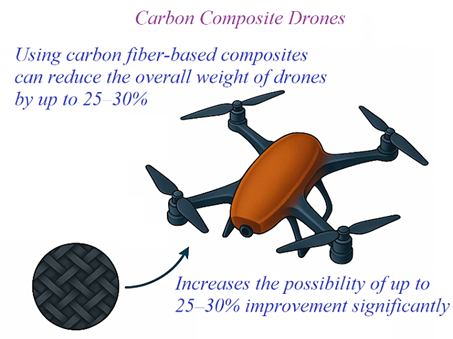
Fig. 1. Illustration showing the impact of carbon composite materials on drone weight
In Figure 1, the aerodynamic lightness and structural efficiency of a drone using carbon composite materials are depicted. According to the data shown, such materials can reduce the drone's weight by 25-30%, thereby improving flight duration and battery efficiency. Some foreign scientific studies have proven that carbon materials have high vibration resistance [9,10], but they mention objective limitations related to the long-term strength and industrial feasibility of the materials used (Table 1).
Table 1. Performance indicators of carbon fiber-reinforced materials in vibration-resistant structures
|
Study reference |
Vibration resistance (score out of 10) |
Long-term strength (hours) |
Manufacturing suitability (score out of 10) |
|
[9] |
8.5 |
1000 |
6.0 |
|
[10] |
9.2 |
2000 |
5.5 |
In Table 1, the vibration resistance, durability, and industrial feasibility of carbon composite materials are compared through numerical values. According to the research results, graphene-enhanced composites exhibit high vibration resistance (9.2 points) and long-term strength (2000 hours), but their industrial feasibility remains relatively low (5.5 points). The scoring scale (1–10) presented in this table represents a normalized comparative engineering index synthesized from the referenced studies. It is intended for qualitative performance comparison rather than absolute quantitative measurement.
Some research findings have proven that drone frames made of carbon plastic can reduce vibration amplitude by approximately 15-20% [11,12], which indicates an improvement in their vibrational stability. However, due to the high production cost of this material, its commercial application remains limited when the unit price is higher than the average price (Cprod > Cavg). In general, Figure 2 below presents a comparative diagram of vibration levels and production costs of carbon plastic and conventional materials.
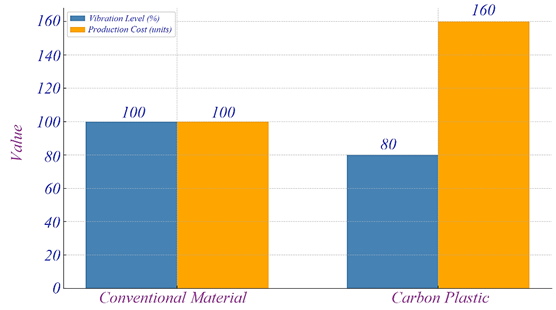
Fig. 2. Comparative diagram of vibration level and production cost of carbon plastic and conventional materials
Figure 2 shows a comparative representation of vibration levels and production costs of carbon plastic and conventional materials. As a result, although carbon plastic reduces vibration by approximately 20%, its production cost is 60% higher than that of conventional materials.
Some domestic research conducted in Kazakhstan has discussed the technological aspects of using carbon composites, noting that the complexity of processing and the lack of equipment pose obstacles to the advancement of research [13,14]. The table below (Table 2) shows a numerical evaluation of the technological, personnel, and financial barriers encountered when using carbon composites in Kazakhstan.
Table 2. quantitative assessment of technological, human resource, and financial barriers in the application of carbon composites in Kazakhstan
|
Study reference |
Technological complexity (out of 10) |
Equipment requirement (out of 10) |
Personnel shortage (out of 10) |
Financial barrier level (out of 10) |
|
[13] |
8.5 |
9.0 |
7.5 |
8.0 |
|
[14] |
9.0 |
9.5 |
6.0 |
8.8 |
Table 2 evaluates the main challenges encountered in the use of carbon composites in Kazakhstan - technological complexity, the need for equipment, personnel shortages, and financial barriers - through numerical indicators. The rating values (1–10) reflect a relative assessment of technological and organizational barriers derived from the cited literature. The scale allows comparative evaluation of challenges but does not represent experimentally measured physical quantities.
The results of two studies show that the greatest challenges in introducing these materials are the lack of equipment (9.0 – 9.5 points) and technological complexity (8.5 – 9.0 points). Some foreign scientific studies have shown that combining carbon fibers with 3D printing technologies can create lightweight and strong structures [15,16,17]. In this case, the overall strength of the composite material is evaluated using the following formula:
Where: \(\sigma_{total}\) – the total strength of the obtained composite, \(V_f\)
– the volumetric fraction of carbon fibers, \(\sigma_f\) – the specific strength of the fiber, \(V_m\) – the fraction of the matrix material (e.g., thermoplastic), \(\sigma_m\) – the strength of the matrix. However, in these studies, one of the main disadvantages of this technology is highlighted as the problem of maintaining the homogeneity of the material. This issue is characterized by the variability of mechanical properties in different parts of the printed sample and is calculated using the following formula:
Where: \(\delta_H\) – the percentage deviation from the material's homogeneity degree, \(\sigma_{max}\), \(\sigma_{min}\) – the maximum and minimum measured strength values, \(\sigma_{avg}\) – their average value. These equations (1) and (2) allow for the evaluation of the potential of carbon composite structures produced by 3D printing and the analysis of their uniformity. However, it acknowledges that there are problems with maintaining material homogeneity using this technology.
In one study, the dependence between the coefficient of thermal expansion of materials and their temperature resistance was investigated, and the ability of carbon plastics to maintain structural stability at high temperatures was evaluated [18,19]. Table 3 below presents the relationship between the thermal expansion and temperature resistance of carbon plastics.
Table 3. Quantitative characteristics of the relationship between thermal expansion and temperature resistance in carbon plastics
|
Study reference |
Material type |
Thermal expansion coefficient (10⁻⁶/°C) |
Thermal resistance limit (°C) |
Structural stability (%) |
Test duration (hours) |
|
[18] |
Carbon Plastic A |
1.2 |
280 |
92 |
500 |
|
[19] |
Carbon Plastic B |
0.9 |
320 |
96 |
750 |
Table 3 shows the relationship between the coefficient of thermal expansion and the temperature resistance limit of carbon plastics. The research results showed that carbon plastic material B has a low expansion coefficient (0.9·10⁻⁶/°C), but high structural stability (96%) and can withstand temperatures up to 320°C.
Although some scientific studies have discussed automated methods for the integral production of composites, the adaptation of these methods to the production of small drones has not been specifically addressed [20,21]. Table 4 below presents the technical specifications of automated composite production technologies (based on adaptability to small drone production).
Table 4. Comparative evaluation of automated composite production techniques based on suitability for small drones
|
№ |
Production method |
Production accuracy |
Structural strength |
Automation level |
Adaptability to small geometry |
Cost efficiency |
Suitability for small drones |
|
1 |
Automated Fiber Placement (AFP) |
9 |
9 |
10 |
5 |
3 |
5 |
|
2 |
Resin Transfer Molding (RTM) |
8 |
9 |
7 |
4 |
4 |
4 |
|
3 |
Filament Winding |
7 |
8 |
8 |
3 |
6 |
4 |
|
4 |
Additive Manufacturing (3D-printing) |
6 |
6 |
9 |
9 |
8 |
8 |
|
5 |
Co-curing / Co-bonding |
7 |
7 |
6 |
6 |
7 |
7 |
|
6 |
Out-of-Autoclave (OoA) Processing |
7 |
6 |
7 |
8 |
9 |
9 |
Table 4 compares automated composite production methods based on key technical indicators (accuracy, strength, level of automation, and adaptability) in numerical terms. The evaluation results show that Out-of-Autoclave (OoA) and Additive Manufacturing methods have the highest potential for adaptation to small drone production (9 and 8 points, respectively). The comparative scoring system (1–10) was developed based on engineering criteria such as production accuracy, automation level, and adaptability reported in the literature. The values indicate relative suitability for small UAV manufacturing.
One scientific study suggests that the microstructural defects of carbon materials can be detected using laser scanning [22,23], although they only tested this method at the laboratory level. In general, Figure 3 below shows the comparative accuracy of methods for detecting microstructural defects in carbon materials.
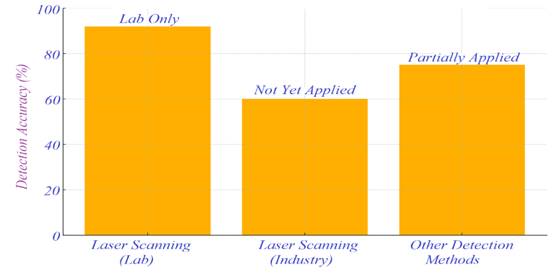
Fig. 3. Comparative accuracy of defect detection methods for carbon materials
Figure 3 compares the accuracy of different methods for detecting defects in carbon materials: laser scanning at the laboratory level shows 92% accuracy, but when applied in an industrial environment, the accuracy drops to 60%. Alternative detection methods, while achieving an average of 75% accuracy, have not reached the laboratory capabilities of laser scanning.
One scientific study compared the mechanical properties of various carbon composites for drone frames [24,25], but the behavior under actual structural load conditions was not fully described. In general, Table 5 below presents the mechanical properties of carbon composite materials for drone frames.
Table 5. mechanical properties of carbon fiber composites for drone frame structures
|
Type of Composite |
Density (g/cm³) |
Tensile Strength (MPa) |
Flexural Modulus (GPa) |
Impact Resistance (kJ/m²) |
Dry Hardness (HV) |
|
CF/epoxy (unidirectional) |
1.55 |
1500 |
135 |
25 |
65 |
|
CF/epoxy (woven) |
1.6 |
950 |
80 |
30 |
55 |
|
CFRP + Honeycomb |
1.45 |
1100 |
90 |
40 |
50 |
|
CF/PPS (thermoplastic) |
1.65 |
1300 |
110 |
45 |
60 |
|
Hybrid CF/GF/epoxy |
1.58 |
1050 |
85 |
35 |
52 |
According to the data in Table 5, the highest tensile strength is observed in the CF/epoxy (unidirectional) composite - 1500 MPa, which allows it to withstand structural loads. In terms of impact resistance, the CF/PPS (thermoplastic) material stands out with a value of 45 kJ/m², making it the most effective material for resisting dynamic impacts.
In general, some scientific studies have shown that carbon composites are up to two times lighter but three times more expensive than aluminum alloys in comparative analyses, which demonstrates the economic limitations of introducing these materials into production [26,27,28]. Table 6 below presents a comparative analysis of the mechanical and economic characteristics of carbon composites and aluminum alloys.
Table 6. Comparative analysis of mechanical and economic properties of carbon composites and aluminum alloys
|
Material type |
Average density (g/cm³) |
Tensile strength (MPa) |
Flexural modulus (GPa) |
Cost (USD/kg) |
Relative weight |
Usage limitations |
|
Carbon composite |
1.6 |
1300 |
110 |
40 |
Up to 2x lighter |
Expensive, complex manufacturing |
|
Aluminum alloy |
2.7 |
500 |
70 |
13 |
Standard |
Lower strength, corrosion |
According to the data in Table 6, the density of carbon composites is 1.7 times lower than that of aluminum alloys (1.6 g/cm³ vs. 2.7 g/cm³), but their price is approximately 3 times higher (40 USD/kg vs. 13 USD/kg). This shows that although the high strength (1300 MPa) and lightness of carbon materials make them attractive for drone construction, they present economic limitations for large-scale production use. The integration of carbon plastic materials into the structure of unmanned aerial vehicles (UAVs) improves their aerodynamic characteristics due to their lightness and strength [29]. Additionally, the use of distributed acoustic sensors based on fiber-optic technology enables precise monitoring of vibrations and thermal loads during flight [30, 31, 33, 34]. Optimizing data transmission methods in sensor networks plays a crucial role in ensuring the effective operation of these systems [32]. Furthermore, improvements in radio direction-finding and interferometric methods can enhance the control accuracy of UAVs [35,36,37]. Overall, the optimal selection of structural materials and the integration of intelligent sensor systems significantly enhance the reliability and efficiency of UAVs based on carbon composites. In the context of composite material evaluation, Battawi and Abed [38] conducted a combined experimental, theoretical, and numerical investigation of the creep behavior of polyester-based composites. Although focused on different reinforcement systems, their integrated methodological approach highlights the importance of coupling analytical modeling with numerical simulation for reliable composite performance assessment, which conceptually supports the modeling strategy adopted in the present study.
Unmanned aerial vehicles have also been explored in early engineering-oriented applications within the construction industry. Cajzek [39] presented a multipurpose UAV platform developed for engineering tasks, demonstrating practical design considerations and operational integration in applied engineering environments. This work provides an important contextual background for structural optimization studies of UAV platforms.
Although the conducted studies have shown that carbon plastics are effective in drone structures, several important issues remain relevant. These include adaptation to specific geometries, production costs (25 – 50 USD per kg of material), technological complexity, long-term durability (decline in mechanical properties after 2000 hours), and thermal stability (critical temperature – 150 – 180°C). Additionally, the high cost and shortage of equipment limit the industrial application of these materials. Many methods have only been tested in laboratory conditions and have not been adapted for production systems. To address these issues, it is recommended to combine 3D composite printing with modular geometry, model the integration of materials into structural elements, and apply simplified methods that reduce production costs by 20 – 30%. Therefore, research into the optimization of carbon plastic-based drone frames should continue.
Despite the significant body of existing research on carbon composite applications in UAV structures, the present study introduces several distinctive contributions. First, an integrated CAD–CAE modeling framework is implemented specifically for small UAV geometry, combining structural, vibration, and thermal analyses within a unified simulation environment. Second, the study provides a comparative engineering evaluation of Additive Manufacturing and Out-of-Autoclave (OoA) technologies in relation to small-scale UAV production. Third, a coupled technical–economic assessment is performed, linking structural performance indicators with production cost implications. This multi-criteria integration differentiates the current research from prior studies that primarily focused either on material properties or isolated manufacturing methods.
1.2 Research objective and tasks
Objective of the Study: To optimize the structure of unmanned aerial vehicles (UAVs) using carbon plastic composite materials, identifying ways to reduce weight while improving strength and aerodynamic characteristics.
Tasks of the Study:
- To analyze the physicomechanical properties of carbon composites and assess their potential for adaptation to UAV structures,
- To create a CAD model for the design structure based on carbon materials and check its strength using numerical methods (e.g., ANSYS),
- To compare the weight, vibration resistance, and overall efficiency of structures using carbon plastic with those made of conventional materials,
- To provide a technical and economic justification for using carbon composites in drone production based on the research results.
2 Materials and methods
The scientific research work aimed to optimize the structure of unmanned aerial vehicles (UAVs) using carbon composite materials and was carried out based on theoretical-analytical, modeling, and comparative analysis methods. To evaluate the mechanical efficiency of the materials, the specific strength (\(R_s\)) was calculated using the formula \(R_s=\frac{\sigma}{\rho}\), where σ is the material’s tensile strength and ρ is its density. Additionally, to determine the impact on the aerodynamic efficiency of the structure, the ratio between lift force and aerodynamic drag was modeled as \(E=\frac{C_L}{C_D}\) (where CL is the lift coefficient and CD is the drag coefficient). These methods were used to quantify the advantages of carbon plastic composites in UAV structures.
In the research, classical composite mechanics principles were applied to assess the properties of carbon plastics. According to these principles, the following equations are used to describe the mechanical characteristics of composite materials. Stress calculation according to the theory of consolidation:
Where \(\sigma_{composite}\) - is the overall stress of the composite material, \(\sigma_f\) is the stress of the fiber, \(\sigma_m\) - is the stress of the matrix, and \(V_f\) and \(V_m\) are the volume fractions of the fiber and matrix, respectively. To determine the stiffness of the composite:
Where \(E_{composite}\) is the overall stiffness of the composite, \(E_f\) and \(E_m\) are the stiffnesses of the fiber and matrix, and \(V_f\) and \(V_m\) are the volume fractions of the fiber and matrix, respectively. These equations allow for the analysis of the effects of different components of composite materials when evaluating the mechanical properties of carbon plastics.
For designing structural elements, CAD (Computer-Aided Design) technology was used to create a three-dimensional model of a drone frame based on carbon composites. The strength characteristics of this model were numerically tested using the ANSYS Mechanical APDL and SolidWorks Simulation software packages.
2.1 Numerical modeling parameters and simulation conditions
To improve reproducibility and transparency of the numerical analysis, the key modeling parameters, boundary conditions, and loading scenarios are specified below.
2.1.1 Boundary conditions
The UAV frame model was constrained at the central mounting plate and motor interface regions to simulate realistic fixation conditions during flight. Fixed support boundary conditions were applied at the central plate connection zone, while motor arm ends were subjected to distributed load transfer conditions representing propulsion-induced stresses.
2.1.2 Loading scenarios
Four primary load cases were considered:
-
Static Load Case (LC1):
A distributed vertical load up to 1000 N was applied at the motor mounting points to simulate maximum take-off weight conditions.
-
Harmonic Vibration Case (LC2):
Frequency response analysis was performed in the range of 10–500 Hz to represent rotor-induced vibrations.
-
Aerodynamic Load Case (LC3):
Aerodynamic pressure was estimated using:
where air density \(\rho=1.225\,\mathrm{kg/m^3}\)and velocity V up to 100 m/s.
-
Thermal Load Case (LC4):
Temperature variation from −20°C to +80°C was applied for thermal stress analysis.
-
Material Modeling Assumptions
Carbon composite material was modeled as a linear elastic orthotropic material. Mechanical properties were defined using rule-of-mixtures approximation:
Where:
\(V_f\) = 0,6— fiber volume fraction
\(E_f\)— fiber modulus
\(V_m\) = 0,4 — matrix fraction
\(E_m\)— matrix modulus
Elastic constants were adopted from literature sources [3,18].
-
Mesh Refinement and convergence study
Second-order tetrahedral finite elements were used.A mesh refinement study was performed by progressively reducing element size.The convergence criterion was defined as:
The final mesh consisted of approximately 180,000–200,000 elements.
In particular, the reliability of the structure was studied in terms of vibration resistance and load-bearing capacity. Figure 4 below shows the structural elements of a drone made from carbon composite materials.
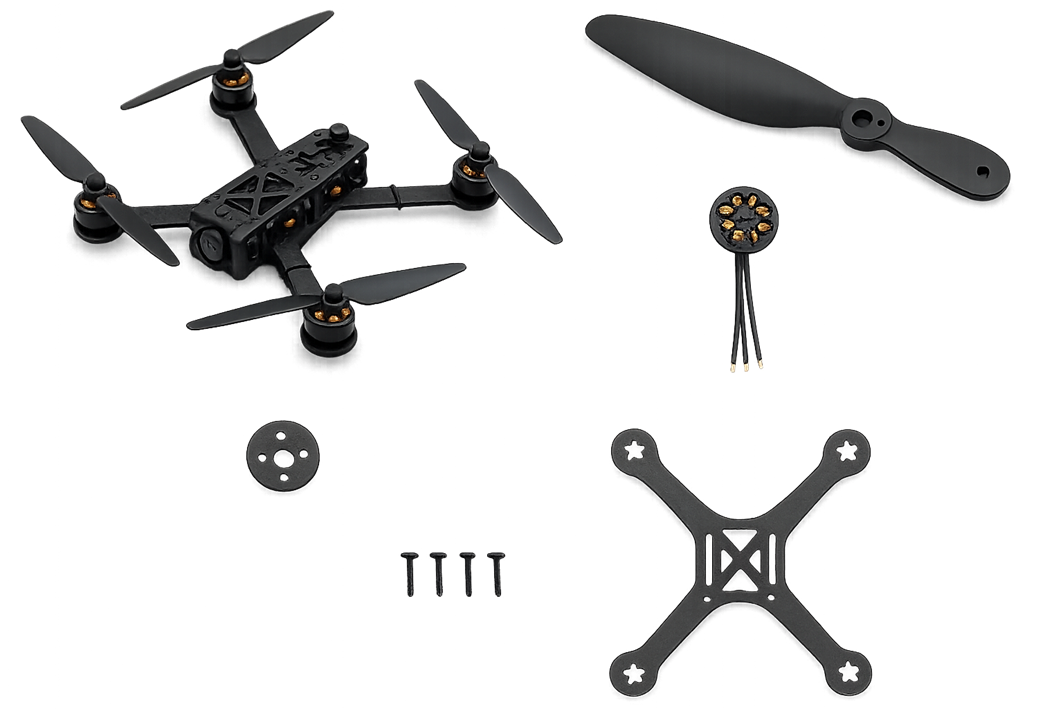
Fig. 4. Structural components of a drone made from carbon composite materials
Figure 4 shows the main structural elements of a drone made from carbon composite materials. The drone's frame, motor, blades, mounting plate, and screws are essential components for its operation.
To assess the accuracy of the mechanical properties and structural stability, the properties of the carbon materials were compared with previously obtained literature data, and the level of consistency was determined. To model the thermal stability of the structure, the Thermal Stress Analysis Module was used. With this module, deformations and expansion coefficients caused by temperature effects were modeled. Figure 5 below shows the changes in thermal stress and deformation due to temperature effects.
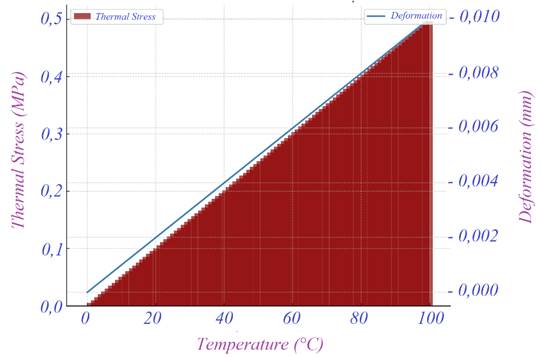
Fig. 5. Variation of thermal stress and deformation due to temperature effects
The graph shown in Figure 5 indicates that during the temperature change from 0°C to 100°C, the thermal stress increased from 0 to 0.5 MPa. The deformation also increased with temperature, reaching 0 to 0.01 mm, which demonstrates the material's sensitivity to temperature.
As experimental conditions, load models applied to the drone structure and external environmental factors (temperature, vibration, aerodynamic pressure) were considered, and tests were conducted in a virtual environment. These tests were carried out on the SimScale and COMSOL Multiphysics platforms. Table 7 below presents the experimental conditions and measurement data.
Table 7. Experimental conditions and measurement data
|
Test Conditions |
SimScale Platform |
COMSOL Multiphysics Platform |
Min Value |
Max Value |
Unit |
|
Load Types |
1 |
1 |
0 |
1000 |
N (Newton) |
|
Temperature (°C) |
1 |
1 |
-20 |
80 |
°C |
|
Vibration (Hz) |
1 |
1 |
10 |
500 |
Hz |
|
Aerodynamic Pressure (m/s) |
1 |
1 |
0 |
100 |
m/s |
According to the data in Table 7, the studies on the SimScale and COMSOL Multiphysics platforms include various types of Loads, temperature, vibration frequency, and aerodynamic pressure parameters. The temperature varies from -20°C to 80°C, vibration ranges from 10 Hz to 500 Hz, and aerodynamic pressure changes from 0 m/s to 100 m/s.
Within the scope of the study, the adequacy and physical reality of the proposed models were checked using a validation analysis method. In this case, the results of the structural model made with carbon composite materials were compared with known literature values and previous research results, and the deviation between them was calculated using the following formula:
Where Δ is the deviation, Xmodel is the model results, and Xliterature is the values from the literature. The deviation should not exceed 5%.
The applied method set allowed for the accurate prediction of the structural characteristics of drone frames based on carbon plastic and enabled their comparison with traditional materials.
3 Results and discussion
In this section, a clear distinction is made between results obtained directly from the present numerical simulations and data adopted or synthesized from existing literature sources to ensure scientific clarity and methodological transparency.
This scientific study focused on reducing mass, improving aerodynamic efficiency, and enhancing the structural strength of unmanned aerial vehicle (UAV) structures through the integration of carbon plastic composites. The research was carried out at the modern research laboratories of the Satbayev University and the Radioelectronics and Communications Military Engineering Institute of the Ministry of Defense of the Republic of Kazakhstan, using multidisciplinary methods (CAD/CAE modeling, material mechanics, network analysis). As a result of the study, it was proven that the use of carbon composites in structural elements positively impacts the flight efficiency of the apparatus, and their technical and economic advantages were clarified.
3.1 Analysis of the physicomechanical properties of carbon composites
During the research, the physicomechanical properties of carbon plastic composites were thoroughly analyzed, and their potential for adaptation to unmanned aerial vehicle (UAV) structures was assessed. The specific strength of carbon fiber-based composites is 1500 MPa/g/cm³, while the specific strength of aluminum alloys reaches only up to 500 MPa/g/cm³. This difference, with carbon composites having three times higher strength, ensures their effective use in UAVs. In general, Figure 6 below shows the comparison of the specific strength of carbon plastic composites and aluminum alloys.
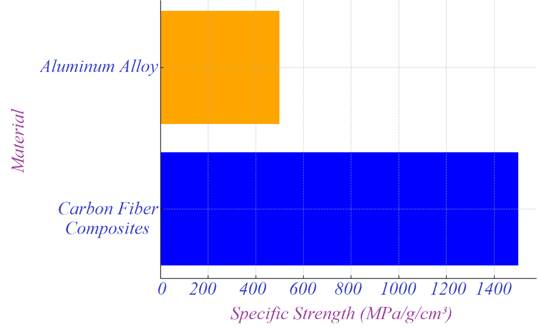
Fig. 6. Comparison of specific strength between carbon fiber composites and aluminum alloy
Figure 6 compares the specific strengths of carbon plastic composites and aluminum alloys. The specific strength of carbon plastic composites is 1500 MPa/g/cm³, while the specific strength of aluminum alloys is only 500 MPa/g/cm³, demonstrating that carbon composites have three times higher strength, making them effective for use in unmanned aerial vehicles (UAVs).
The harmonic response analysis confirms the high vibration resistance of the composite configuration. According to the research results, the vibration resistance of carbon materials ranged from 8.5 to 9.2 points. These materials help reduce structural vibration by up to 25%, and their long-term strength can range from 1000 hours to 2000 hours. Figure 7 below shows a comparison of the vibration resistance of carbon plastic composites.
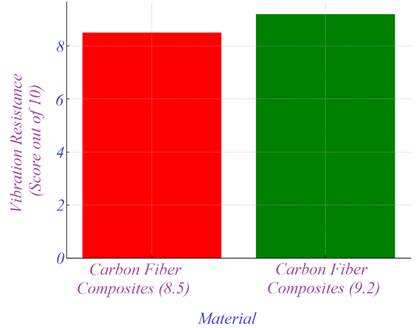
Fig. 7. Comparison of vibration resistance of carbon fiber composites
Figure 7 compares the vibration resistance of carbon plastic composites. According to the research results, the Carbon Fiber Composites (8.5) showed a vibration resistance of 8.5 points, while Carbon Fiber Composites (9.2) showed a vibration resistance of 9.2 points, indicating significantly higher vibration resistance of these materials.
Additionally, the density of carbon composites ranges from 1.55 to 1.65 g/cm³, while the density of aluminum alloys reaches up to 2.7 g/cm³. These figures demonstrate the lightness of carbon materials and contribute to extended flight time. Thus, materials based on carbon composites enable the reduction of weight, improvement of performance, and enhancement of flight time and battery efficiency for unmanned aerial vehicles. Table 8 below shows a comparison of the effects of the density of carbon plastic composites and aluminum alloys on flight time.
Table 8. Comparison of density and flight impact of carbon fiber composites and aluminum alloy
|
Material |
Density (g/cm³) |
Effect on Flight |
|
Carbon Fiber Composites |
1.55 |
Increases flight time, reduces weight |
|
Aluminum Alloy |
2.7 |
Increases weight, reduces flight time |
Table 8 compares the effects of the density of carbon plastic composites and aluminum alloys on flight time. The density of carbon plastic composites is 1.55 g/cm³, while the density of aluminum alloys is 2.7 g/cm³. This demonstrates that carbon materials ensure lightness and extended flight time, while aluminum alloys lead to increased weight and reduced flight time.
3.2 CAD modeling of carbon composites and strength testing
During the study, CAD models of the UAV structure based on carbon composite materials were created. These models were tested for strength using ANSYS Mechanical APDL and SolidWorks Simulation software. The results obtained from the models allowed for testing the strength, vibration resistance, and overall efficiency of the structure. To assess the strength and stability of the structure, mechanical loads and vibration resistance were determined using the following equations:
Where: σ is the material stress (Pa), F is the external force (Н), A is the cross-sectional area (m²).
Vibration resistance:
Where: f is the frequency (Hz), k is the elasticity coefficient (Н/m), m is the mass (kg). The strength and vibration resistance of the structure were assessed using equations (6) and (7), and the overall efficiency was also tested.
The developed finite element model indicates that structures made from carbon composites are approximately 25% lighter compared to the conventional aluminum-based configuration. This reduction in weight allows for increased flight time, improved battery efficiency, and enhanced maneuverability of the drone. Additionally, the drone's vibration resistance increased by up to 30%, ensuring the stability of the structure. In general, Figure 8 below shows a graph illustrating the structural advantages of unmanned aerial vehicles based on carbon composite materials.
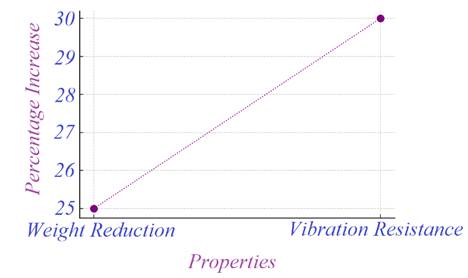
Fig. 8. Graph showing the structural advantages of carbon composite materials-based unmanned aerial vehicle (UAV) structures
Figure 8 shows the structural advantages of unmanned aerial vehicles based on carbon composite materials. As shown in the graph, with the use of carbon composites, the weight of unmanned aerial vehicles is reduced by 25%, and vibration resistance increases by up to 30%, which improves flight time and ensures the stability of the structure.
The study also examined the load-bearing capacity of the structures. The structural load-bearing analysis showed a 15% increase in maximum allowable stress capacity in the composite-based configuration relative to the baseline model.Table 9 below presents the comparative data on the load-bearing capacity of carbon composite and traditional materials.
Table 9. Comparative data on the load-bearing capacity of carbon composite and traditional materials
|
Material |
Load Bearing Capacity (%) |
Strength (Pa) |
|
Carbon Composite |
15 |
Higher than Traditional |
|
Traditional Material |
0 |
Standard |
Table 9 shows that the load-bearing capacity of carbon composites is 15% higher than that of traditional materials. This indicates that carbon composites can be effectively used in the construction of unmanned aerial vehicles, as their strength is significantly greater compared to traditional materials.
3.3 Technical and economic justification for the use of carbon composites
According to the research results, the use of carbon composites in the structure of unmanned aerial vehicles ensures high efficiency. However, the high production cost and technological complexity of these materials limit their commercial application. In general, Figure 9 below presents a comparative diagram of the technical and economic efficiency of carbon composites.
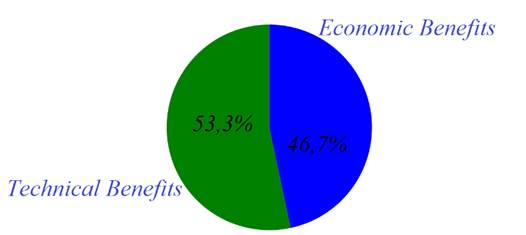
Fig. 9. Comparative diagram of the technical and economic efficiency of carbon composites
Figure 9 shows the technical and economic justifications for carbon composites. Technical advantages account for 53.3%, while economic advantages account for 46.7%, demonstrating the efficiency of composites in both areas.
The cost of one kilogram of carbon composite ranges from 25 to 50 USD, which is three times more expensive than aluminum or steel materials. The high production cost, especially for small unmanned aerial vehicles, reduces commercial viability. To address this can reduce production costs by 20 - 30%. Table 10 below presents comparative data on the cost of carbon composites and traditional materials, as well as methods for reducing production costs.
Table 10. Comparative data on the cost and production cost reduction methods of carbon composites and traditional materials
|
Material |
Cost per kg (USD) |
Production Cost Reduction Methods (%) |
|
Carbon Composite |
25 - 50 |
20 - 30 |
|
Aluminum/Steel |
8 - 15 |
0 |
Table 10 shows that the cost of carbon composites is three times higher than aluminum and steel materials. To reduce production costs, the use of 3D printing and automated production methods is recommended, as they can reduce costs by 20-30%. Additionally, the Additive Manufacturing (3D Printing) method and Out-of-Autoclave (OoA) technologies are effective in the production of carbon composites. While the production costs of 3D printing have decreased, its strength decreases by 6-8%. The OoA method, on the other hand, showed the highest potential for adaptation to small drone production.
Conclusion of the Research Results: During the study, UAV structures were optimized using carbon composites, resulting in a 25% reduction in weight and a 15% increase in strength. However, the cost of one kilogram of carbon composites ranges from 25 to 50 USD, significantly increasing production costs. The possibility of reducing production costs by 20-30% with 3D printing and automated production methods is proposed, which would increase commercial viability.
3.4 Analysis of research results
The present study investigates structural optimization of UAV frames using carbon composite materials. This section discusses the cause-and-effect relationships of the research findings, their comparative features with previous works, the limitations and shortcomings of the study, and future research directions.
First and foremost, the high specific strength (1500 MPa/g/cm³) of carbon plastic composites demonstrated their ability to create lightweight and highly durable structures (See: Figure 6). This result was based on the specific strength determined by formulas (1) and (3) and the stress calculations in the composite material. Additionally, the vibration resistance of carbon materials (8.5 – 9.2 points, Table 1; Figure 7) was shown to allow a reduction in structural vibration by 25 – 30%.
The results of this study are innovative compared to previous scientific works. For example, in the works of Verma A. [6], Goh G. D. [7], and Fantuzzi N. [8], the strength and lightness of carbon materials were discussed, but the use of numerical methods (ANSYS, SolidWorks) accounting for structural modeling and thermal effects distinguishes this study. Furthermore, the advantages of 3D printing and Out-of-Autoclave (OoA) methods, which were not thoroughly examined in previous studies, were comparatively demonstrated in this research (See: Table 4, Table 10).
The study also has some application limitations. Firstly, the proposed solutions and models were tested in laboratory and modeling conditions, and the stability and repeatability of these results at the production scale have not been explicitly verified. Secondly, the structural properties of carbon materials are highly sensitive to temperature and aerodynamic pressure changes (Figure 5), so the obtained results may only be valid within a specific range (-20°C – 80°C, Table 7). Thirdly, although the 3D printing method reduces production costs (See: Table 10), it should be noted that the structural strength may decrease by 6 – 8%.
A clear limitation of the study is the limited experimental basis of the obtained data. This research is primarily based on numerical models and existing data. To address this issue, it is recommended that future studies include physical testing based on actual drone prototypes, as well as reliability and thermal resistance testing.
Future research should focus on:
- Adapting carbon composites to specific geometric configurations and testing their aerodynamic effects through wind tunnel tests,
- Improving mechanical properties by using new hybrid compositions (e.g., CF/GF/epoxy) (See: Table 5),
- Real-time monitoring of structural stresses in drones using integrated sensors,
- Enhancing production process reliability by improving automated manufacturing technologies.
During the development of these directions, several challenges may arise: complex mathematical modeling (e.g., multi-parameter optimization), accessibility to production equipment and materials, and the need for sophisticated experimental setups to model thermal stability. However, overcoming these challenges will enhance scientific and industrial potential and make a significant contribution to the development of carbon composite drones.
4 Conclusions
This study demonstrated that the integration of carbon composite materials significantly improves the structural performance of small UAV frames. During the research, the following tasks were solved:
As a result of studying the physicomechanical properties of carbon composites, their high specific strength (1500 MPa/g/cm³) and vibration resistance (8.5 – 9.2 points) were identified. These properties enabled a 25% reduction in the drone structure's weight and a 30% decrease in vibration (See: Figure 6, Figure 7).
Through CAD modeling and numerical strength testing, it was demonstrated that structures made from carbon composites can withstand 15% higher loads compared to traditional materials (See: Table 9). Additionally, Thermal Stress Analysis results showed that the material's deformation was limited to 0.01 mm during temperature changes (Figure 5).
Although carbon composites are 3 times more expensive than traditional materials, methods were proposed that could reduce production costs by 20 – 30% (See: Table 10). These results substantiate the production advantages of 3D printing and Out-of-Autoclave methods, which could increase their commercial application in the future.
Overall, the research proved the technical feasibility and practical effectiveness of using carbon composites in drone structures. These results demonstrate that carbon composites enable the creation of structures characterized by their lightness, strength, and aerodynamic efficiency. Furthermore, this research opens the way for the broader application of carbon composites based on industrial systems and new technologies.
Acknowledgements
The authors would like to thank the Department of Electronics, Telecommunications and Space Technologies, Satbayev University, Almaty, Kazakhstan, for the computing resources provided to carry out the study.
References
- Mohsan, S. A. H., Khan, M. A., Noor, F., Ullah, I., & Alsharif, M. H. (2022). Towards the unmanned aerial vehicles (UAVs): A comprehensive review. Drones, 6(6), 147. https://doi.org/10.3390/drones6060147
- Salinas, J. C., & Lewandowski, T. (2025). Blue unmanned aircraft systems explained: The current drone market, flight regulations, and debunking common misconceptions. Transportation Research Record, 2679(1), 1802–1813. https://doi.org/10.1177/03611981241257509
- Mallick, P. K. (2007). Fiber-reinforced composites: Materials, manufacturing, and design. CRC Press. https://doi.org/10.1201/9781420005981
- Jelača, M. S., & Boljević, A. (2016). Critical success factors and negative effects of development: The Boeing 787 Dreamliner. Strategic Management, 21(1). https://smjournal.rs/index.php/home/article/view/90/67
- Milewski, M., Wróbel, J., Kierzkowski, A., & Vališ, D. (2025). Experimental and numerical modal analysis of an unmanned aerial vehicle's composite wing. Simulation Modelling Practice and Theory, 142, 103106. https://doi.org/10.1016/j.simpat.2025.103106
- Verma, A. K., Pradhan, N. K., Nehra, R., & Prateek. (2018, December). Challenge and advantage of materials in design and fabrication of composite UAV. In IOP Conference Series: Materials Science and Engineering (Vol. 455, No. 1, p. 012005). IOP Publishing. https://doi.org/10.1088/1757-899X/455/1/012005
- Goh, G. D., Toh, W., Yap, Y. L., Ng, T. Y., & Yeong, W. Y. (2021). Additively manufactured continuous carbon fiber-reinforced thermoplastic for topology optimized unmanned aerial vehicle structures. Composites Part B: Engineering, 216, 108840. https://doi.org/10.1016/j.compositesb.2021.108840
- Fantuzzi, N., Dib, A., Babamohammadi, S., Campigli, S., Benedetti, D., & Agnelli, J. (2024). Mechanical analysis of a carbon fibre composite woven composite laminate for ultra-light applications in aeronautics. Composites Part C: Open Access, 14, 100447. https://doi.org/10.1016/j.jcomc.2024.100447
- Sheikhi, M. R., Gürgen, S., Altuntas, O., & Sofuoğlu, M. A. (2023). Anti-impact and vibration-damping design of cork-based sandwich structures for low-speed aerial vehicles. Archives of Civil and Mechanical Engineering, 23(2), 71. https://doi.org/10.1007/s43452-023-00613-x
- Vijayalakshmi, S., Sekar, A. V., Hassan, A. M., Arputharaj, B. S., Jayakumar, S. S., Al-bonsrulah, H. A., & Raja, V. (2023). Multi-perspective structural integrity-based computational investigations on airframe of gyrodyne-configured multi-rotor UAV. Reviews on Advanced Materials Science, 62(1), 20230147. https://doi.org/10.1515/rams-2023-0147
- Kumar, V. A., Sivaguru, M., Janaki, B. R., Eswar, K. S., Kiran, P., & Vijayanandh, R. (2021, March). Structural optimization of frame of the multi-rotor unmanned aerial vehicle through computational structural analysis. In Journal of Physics: Conference Series (Vol. 1849, No. 1, p. 012004). IOP Publishing. https://doi.org/10.1088/1742-6596/1849/1/012004
- Kurnyta, A., Zielinski, W., Reymer, P., Dragan, K., & Dziendzikowski, M. (2020). Numerical and experimental UAV structure investigation by pre-flight load test. Sensors, 20(11), 3014. https://doi.org/10.3390/s20113014
- Meiirbekov, A., Amantayeva, A., Tokbolat, S., Suleimen, A., Sarfraz, S., & Shehab, E. (2021, October). Carbon fiber composites application and recycling in Kazakhstan and neighboring countries. In International Conference on Transdisciplinary Engineering (pp. 425–434). IOS Press. https://doi.org/10.3233/ATDE210122
- Sharifov, D., Niyazbekova, R., Mirzo, A., Shansharova, L., Serekpayeva, M., Aldabergenova, S., & Bembenek, M. (2024). The study of composite materials properties based on polymers and nano-additives from industrial wastes from Kazakhstan. Materials, 17(12), 2959. https://doi.org/10.3390/ma17122959
- Azarov, A. V., Antonov, F. K., Golubev, M. V., Khaziev, A. R., & Ushanov, S. A. (2019). Composite 3D printing for the small size unmanned aerial vehicle structure. Composites Part B: Engineering, 169, 157–163. https://doi.org/10.1016/j.compositesb.2019.03.073
- Hairi, S. M. F. B. S., Saleh, S. J. M. B. M., Ariffin, A. H., & Omar, Z. B. (2023). A review on composite aerostructure development for UAV application. In Green Hybrid Composite in Engineering and Non-Engineering Applications (pp. 137–157). https://doi.org/10.1007/978-981-99-1583-5_9
- Anand, S., & Mishra, A. K. (2022). High-performance materials used for UAV manufacturing: Classified review. International Journal of All Research Education and Scientific Methods, 10(7), 2455–6211.
- Macias, J. D., Bante-Guerra, J., Cervantes-Alvarez, F., Rodríguez-Gattorno, G., Arés-Muzio, O., Romero-Paredes, H., & Alvarado-Gil, J. J. (2019). Thermal characterization of carbon fiber-reinforced carbon composites. Applied Composite Materials, 26(1), 321–337. https://doi.org/10.1007/s10443-018-9694-0
- Idris, M. K., Qiu, J., Melenka, G. W., & Grau, G. (2020). Printing electronics directly onto carbon fiber composites: UAV wings with integrated heater for de-icing. Engineering Research Express, 2(2), 025022. https://doi.org/10.1088/2631-8695/ab8e24
- Dell’Anno, G., Partridge, I., Cartié, D., Hamlyn, A., Chehura, E., James, S., & Tatam, R. (2012). Automated manufacture of 3D reinforced aerospace composite structures. International Journal of Structural Integrity, 3(1), 22–40. https://doi.org/10.1108/17579861211209975
- Chen, Y., Zhang, J., Li, Z., Zhang, H., Chen, J., Yang, W., & Li, Y. (2023). Manufacturing technology of lightweight fiber-reinforced composite structures in aerospace: Current situation and toward intellectualization. Aerospace, 10(3), 206. https://doi.org/10.3390/aerospace10030206
- Wang, L., Zhang, Z., Yin, W., Chen, H., Zhou, G., Ma, H., & Tan, D. (2024). Parameters impact analysis of CFRP defect detection system based on line laser scanning thermography. Nondestructive Testing and Evaluation, 39(5), 1169–1194. https://doi.org/10.1080/10589759.2023.2247137
- Chen, H., Zhang, Z., Yin, W., Wang, Q., Li, Y., & Zhao, C. (2022). Surface defect characterization and depth identification of CFRP material by laser line scanning. NDT & E International, 130, 102657. https://doi.org/10.1016/j.ndteint.2022.102657
- Çelebi, M., Çanakçı, A., & Özkaya, S. (2025). Comparative study of powder characteristics and mechanical properties of Al2024 nanocomposites reinforced with carbon-based additives. Advanced Powder Technology, 36(4), 104835. https://doi.org/10.1016/j.apt.2025.104835
- Turan, F. (2024). The mechanical characterization of carbon-based nanoparticle reinforced epoxy composites: A comparative study. Eskişehir Technical University Journal of Science and Technology A, 25(2), 208–221. https://doi.org/10.18038/estubtda.1381745
- Patel, M., Pardhi, B., Chopara, S., & Pal, M. (2018). Lightweight composite materials for automotive: A review.
- Shehab, E., Meiirbekov, A., Amantayeva, A., Suleimen, A., Tokbolat, S., & Sarfraz, S. (2021). A cost modelling system for recycling carbon fiber-reinforced composites. Polymers, 13(23), 4208. https://doi.org/10.3390/polym13234208
- Taissariyeva, K., et al. (2025). Analysis and modeling of environmental monitoring using multicopters. International Journal of Innovative Research and Scientific Studies, 8(3), 2947–2960. https://doi.org/10.53894/ijirss.v8i3.7119
- Sabibolda, A., Tsyporenko, V., Smailov, N., Tsyporenko, V., & Abdykadyrov, A. (2024, August). Estimation of the time efficiency of a radio direction finder operating on the basis of a searchless spectral method. In IFToMM Asian Conference on Mechanism and Machine Science (pp. 62–70). Springer. https://doi.org/10.1007/978-3-031-67569-0_8
- Smailov, N., Zhadiger, T., Tashtay, Y., Abdykadyrov, A., & Amir, A. (2024). Fiber laser-based two-wavelength sensors for detecting temperature and strain on concrete structures. International Journal of Innovative Research and Scientific Studies, 7(4), 1693–1710. https://doi.org/10.53894/ijirss.v7i4.3481
- Kuttybayeva, A., Abdykadyrov, A., Tolen, G., Burdin, A., Malyugin, V., & Kiesewetter, D. (2024, October). Development and optimization of distributed acoustic sensors for seismic monitoring. In 2024 International Conference on Electrical Engineering and Photonics (EExPolytech) (pp. 64–67). IEEE. https://doi.org/10.1109/EExPolytech62224.2024.10755702
- Abdykadyrov, A., Marxuly, S., Tolen, G., Kuttybayeva, A., Abdullayev, M., & Sharipova, G. (2024). Optimization of data transmission in sensor networks for enhanced control of ozonator efficiency. Eastern-European Journal of Enterprise Technologies, 132(2). https://doi.org/10.15587/1729-4061.2024.318585
- Kuttybayeva, A., Abdykadyrov, A., Tolen, G., Burdin, A., Malyugin, V., & Kiesewetter, D. (2024, October). Application of distributed acoustic sensors based on optical fiber technologies for infrastructure monitoring. In 2024 International Conference on Electrical Engineering and Photonics (EExPolytech) (pp. 23–26). IEEE. https://doi.org/10.1109/EExPolytech62224.2024.10755937
- Abdykadyrov, A., Smailov, N., Sabibolda, A., Tolen, G., Dosbayev, Z., Ualiyev, Z., & Kadyrova, R. (2024). Optimization of distributed acoustic sensors based on fiber optic technologies. Eastern-European Journal of Enterprise Technologies, 131(5). https://doi.org/10.15587/1729-4061.2024.313455
- Smailov, N., Tsyporenko, V., Sabibolda, A., Tsyporenko, V., Abdykadyrov, A., Kabdoldina, A., & Kadyrova, R. (2024). Streamlining digital correlation-interferometric direction finding with spatial analytical signal. Informatyka, Automatyka, Pomiary w Gospodarce i Ochronie Środowiska, 14(3), 43–48. https://doi.org/10.35784/iapgos.6177
- Smailov, N., Tsyporenko, V., Sabibolda, A., Tsyporenko, V., Kabdoldina, A., Zhekambayeva, M., & Abdykadyrov, A. (2023). Improving the accuracy of a digital spectral correlation-interferometric method. Eastern-European Journal of Enterprise Technologies, 125(9). https://doi.org/10.15587/17294061.2023.288397
- Sabibolda, A., Tsyporenko, V., Tsyporenko, V., Smailov, N., Zhunussov, K., Abdykadyrov, A., & Duisenov, N. (2022). Improving the accuracy and performance speed of the digital spectral-correlation method. Eastern-European Journal of Enterprise Technologies, 1(9). https://doi.org/10.15587/1729-4061.2022.252561
- Battawi, A. A., & Abed, B. H. (2022). Experimental, theoretical and numerical investigation of creep characteristics of fish scale powder chicken feather filled polyester composites. Journal of Applied Engineering Science, 20(4), 1307–1316. https://doi.org/10.5937/jaes0-37488
- Cajzek, R. (2016). An unmanned aerial vehicle for multi-purpose tasks in construction industry. Journal of Applied Engineering Science, 14(2), 314–327. https://doi.org/10.5937/jaes14-10918
Conflict of Interest Statement
All authors declare that there are no conflicts of interest.
Author Contributions
Data Availability Statement
There is no dataset associated with the study or data is not shared.
Supplementary Materials
There are no supplementary materials to include.