Volume 24 article 1347 pages: 473-495
Received: Jan 02, 2026 Accepted: Jun 25, 2026 Available Online: Aug 13, 2026 Published: Aug 17, 2026
DOI: 10.5937/jaes0-63855
RESEARCH ON BIOCHAR AS A SUSTAINABLE ASPHALT BINDER MODIFIER: A SYSTEMATIC AND BIBLIOMETRIC REVIEW
Abstract
Biochar, a carbon-rich byproduct of biomass pyrolysis, has garnered increasing attention as a sustainable additive for asphalt binder modification due to its environmental and mechanical advantages. This study combines a systematic and bibliometric review to explore the development, performance metrics, and research trends of biochar-modified asphalt. Drawing from 104 peer-reviewed articles published from 2015 to 2025, including 2025 early-access records available at the time of data retrieval sourced from Scopus and Web of Science, the review investigates the diversity of biochar feedstocks, pyrolysis conditions, and modification strategies affecting binder performance. Experimental findings highlight enhancements in rheological properties, aging resistance, and VOC emission suppression, particularly from sources such as corn straw, oil palm mesocarp fiber, and hazelnut shells. Through bibliometric mapping using Bibliometrix and Biblioshiny in R, this study identifies influential authors, journals, countries, and keyword clusters shaping the research landscape. The analysis reveals a surge in scholarly output since 2020 and increasing interdisciplinary engagement. Despite laboratory-scale successes, limitations persist in standardization, field validation, and life-cycle assessment. This review provides a consolidated knowledge base for researchers and practitioners seeking to advance eco-efficient asphalt technologies through biochar integration.
Highlights
- Systematic and bibliometric review of biochar-modified asphalt research.
- Analysis of 104 peer-reviewed studies published from 2015 to 2025.
- Biochar improves asphalt rheology, aging resistance, and VOC suppression.
- Feedstock and pyrolysis conditions strongly influence binder performance.
- Key research gaps include standardization, field validation, and life-cycle assessment.
Nomenclature
|
AASHTO |
American Association of State Highway and Transportation Officials |
|
ASTM |
ASTM International |
|
BET |
Brunauer–Emmett–Teller |
|
BBR |
Bending Beam Rheometer |
|
CG |
Coffee Grounds |
|
CI |
Carbonyl Index |
|
DFT |
Density Functional Theory |
|
DSR |
Dynamic Shear Rheometer |
|
EVA |
Ethylene-Vinyl Acetate |
|
FTIR |
Fourier Transform Infrared Spectroscopy |
|
GHG |
Greenhouse Gas |
|
HDPE |
High-Density Polyethylene |
|
HMA |
Hot Mix Asphalt |
|
HWT |
Hamburg Wheel Tracking |
|
IoT |
Internet of Things |
|
LCA |
Life Cycle Assessment |
|
LAS |
Linear Amplitude Sweep |
|
MSCR |
Multiple Stress Creep Recovery |
|
PAV |
Pressure Aging Vessel |
|
PG |
Performance Grade |
|
PMB |
Polymer Modified Bitumen |
|
RH |
Rice Husk |
|
RTFO |
Rolling Thin-Film Oven |
|
RTFOT |
Rolling Thin-Film Oven Test |
|
SBS |
Styrene-Butadiene-Styrene |
|
SCB |
Semi-Circular Bend |
|
SEM |
Scanning Electron Microscopy |
|
SFE |
Surface Free Energy |
|
SI |
Sulfoxide Index |
|
ST |
Straw |
|
TSR |
Tensile Strength Ratio |
|
VOC |
Volatile Organic Compound |
|
VOS |
Visualization of Similarities |
|
WoS |
Web of Science |
|
XRD |
X-ray Diffraction |
Keywords
Content
1 Introduction
The global pursuit of sustainable development has heightened concern over biomass waste, particularly from agricultural and agro-industrial activities that generate millions of tons of underutilized residues each year [1]. Within a circular-economy paradigm, biochar a carbon-rich solid produced by biomass pyrolysis has emerged as a promising route for waste valorization with growing applications in soil remediation, energy systems, and asphalt modification [2,3].
Asphalt pavements face compounding pressures from heavy traffic and environmental exposure. High axle loads accelerate deterioration, including alligator cracking, rutting, and surface roughness, with overloaded trucks imposing elevated stresses that hasten damage [4,5]. Fatigue cracking and rutting remain dominant distress modes, and their progression is often amplified by increased traffic demand [6–8]. Recent Indonesian pavement studies further show that freight-related loading conditions can significantly influence fatigue cracking and permanent deformation in asphalt concrete layers. Studies on coal-truck loading and palm-oil freight truck loading demonstrated that heavy freight loading contributes to fatigue damage progression, rutting, and accumulated pavement deformation [9,10]. These findings reinforce the need for more durable and sustainable asphalt binder–mixture systems.
Climate variability further degrades performance: elevated temperatures reduce binder viscosity and promote rutting, while extreme cold exacerbates thermal cracking; moisture also accelerates fatigue and shortens pavement life [11–14]. Oxidative aging of asphalt binders is unavoidable in practice and progressively stiffens the binder, increasing susceptibility to cracking and other distresses [5,11]. In response, adaptation strategies (e.g., structural adjustments using dynamic modulus and creep stiffness), material choices such as stone mastic asphalt and recycled constituents (e.g., HDPE), and data-driven maintenance (IoT-enabled predictive models) have been proposed to enhance durability and optimize interventions [6,12,15].
Conventional modifiers SBS, EVA, crumb rubber, and nano-fillers are widely used to improve rheology and mixture performance, yet they are constrained by cost, energy demand, compatibility, and storage stability [16]. Biochar offers a sustainable alternative: depending on production route (slow/fast/microwave pyrolysis or hydrothermal carbonization), it provides high porosity, substantial specific surface area, and abundant functional groups that underpin broad environmental and industrial utility [17–20]. In asphalt, biochar acts as a functional filler that reinforces the mastic and enhances deformation resistance, delays oxidation and UV-induced aging by blocking light and scavenging free radicals, and improves adhesion through its high surface area and surface chemistry [1,2,21–27]. These benefits align with improved high-temperature stability and reduced aging indices in modified binders [23–25].
Performance is, however, contingent on a clear production→properties→performance linkage. Feedstock choice (e.g., corn straw, oat hulls, oil-palm mesocarp fiber, spent coffee grounds) and pyrolysis temperature strongly influence pore structure, surface area, and chemistry; ash content and mineralogy can further affect stiffness and rutting resistance [1,2,22,26,28–30]. Post-treatments grinding to smaller particle sizes, activation, acid washing, and surface grafting can improve dispersion, adhesion, and high-temperature performance [23]. Related studies in Indonesian pavement contexts further demonstrate that agro-industrial residues can be incorporated into asphalt concrete mixtures as sustainable filler alternatives. Rice straw ash, sugarcane bagasse, and coconut shell powder have been evaluated as alternative filler materials, with performance outcomes depending on filler proportion, compaction condition, stiffness response, and mechanistic pavement behavior [31–33]. These studies support the broader relevance of biomass- and agro-waste-derived materials for sustainable asphalt pavement applications. Despite these advances, standardized characterization protocols are scarce and quantitative structure–property–performance relationships remain insufficiently established, limiting optimization and comparability across studies [30,34].
Effectively communicating bibliometric findings to diverse readers is nontrivial. By converting extensive bibliographic corpora into intuitive and, where appropriate, interactive graphics, data visualization reveals patterns, trends, clusters, gaps, outliers, and interrelations that might otherwise remain hidden [35,36]. Accordingly, we pair a systematic review with bibliometric analysis and network visualizations citation, bibliographic coupling, and keyword co-occurrence to interrogate complementary facets of the literature and address our research questions [35–37]. Software platforms such as Bibliometrix [38,39], VOSviewer [36,40], and CitNetExplorer [41] enable efficient visualization and interrogation of bibliographic datasets, supporting performance assessment and trend mapping across disciplines [42]. Illustratively, Prabakusuma et al. [43] profiled agricultural waste as aquaculture feedstock using VOSviewer and Biblioshiny; Wu et al. [44] mapped key themes in biochar research;, and Abdeljaoued et al. [45] examined biochar research outputs and publication trends over the past decade.
Against this background, this study synthesizes evidence on biochar as a sustainable asphalt binder modifier by examining: (i) the role of biochar in improving high-temperature performance, anti-aging behavior, and adhesion; (ii) the influence of production routes and feedstock types on biochar properties relevant to asphalt; and (iii) the effects of post-treatments on compatibility and performance. The bibliometric analysis focuses on the core 2015–2024 publication window, while 2025 early-access records are used only as contextual references to discuss emerging developments and are not treated as a complete publication year in the main trend analysis. The analysis draws on publications indexed in Scopus and Web of Science to delineate research fronts, identify gaps, and outline a practical agenda for future work.
2 Bibliometric analysis
We used bibliometric analysis to identify research trends and literature gaps and to establish a foundation for subsequent work [46]. Guided by a PICO framing, our research question asks: for asphalt binders and mixtures (Population), how does biochar considering feedstock, thermochemical production routes, and post-treatments (Intervention) compare with unmodified binders and conventional modifiers such as Styrene-Butadiene-Styrene (SBS), Ethylene-Vinyl Acetate (EVA), and crumb rubber (Comparison) in achieving superior performance outcomes (Outcome), including high-temperature rutting resistance (e.g., Dynamic Shear Rheometer (DSR) / Multiple Stress Creep Recovery (MSCR), oxidative-aging indices (Rolling Thin-Film Oven (RTFO)/ Pressure Aging Vessel (PAV)), adhesion/moisture susceptibility ( Surface Free Energy (SFE), Tensile Strength Ratio (TSR), Hamburg), low-temperature cracking (Bending Beam Rheometer (BBR)), workability/viscosity, and storage stability.
2.1 Section title data collection and analysis
We used the Scopus Core Collection and Web of Science (WoS) to ensure broad, high-quality coverage of peer-reviewed literature in construction materials, sustainable engineering, and related fields. The search query was “biochar” AND (“asphalt binder” OR “asphalt modifier”), 2015–2025, including 2025 early-access records, and English records to maintain consistency and comparability. The combined retrieval from both databases yielded 188 records; after merging and de-duplication, 104 articles on biochar-modified asphalt were retained for analysis. The final corpus was saved in BibTeX format for downstream processing.
The research methodology is grounded in the principles of bibliometric analysis as introduced by Alan Pritchard (1996) [47]. Bibliometrics is a widely used and effective technique for systematically mapping the structure, growth, and thematic trends of a research field. It enables quantitative and objective examination of large bodies of literature, revealing both historical patterns and emerging themes [48–50]. In recent years, this approach has been extensively applied in sustainability and environmental engineering, including waste valorization and circular-economy solutions.
In this study, bibliometric analysis is employed to investigate global research activity on biochar as an asphalt binder modifier, tracing its development trajectory and contribution to sustainable infrastructure technologies. The analysis uses the Bibliometrix R package, an open-source suite for quantitative science mapping that provides robust statistical algorithms, advanced numerical methods, and integrated data-visualization features [38]. To improve accessibility and usability, we also employ Biblioshiny, a web-based application built on the Shiny framework, which streamlines interactive analysis and real-time visualization without requiring coding expertise [51].
The dataset was sourced from Scopus and WoS and analyzed with R-based tools. Together these tools support aggregation, processing, and visual interpretation of bibliographic data, thereby enhancing transparency, reproducibility, and engagement within the academic community [52]. Prior to analysis, we harmonized key fields (authors, affiliations, countries, keywords, DOIs) and corrected trivial inconsistencies (e.g., spelling variants and case sensitivity).
Fig. 1. summarizes the workflow adopted in this study: data collection, descriptive and inferential bibliometric analysis, network-matrix creation, and visualization of key indicators using tools such as Biblioshiny. The procedure integrates data structuring, reduction, and mapping to provide a comprehensive view of the scientific landscape surrounding biochar-modified asphalt binder research.
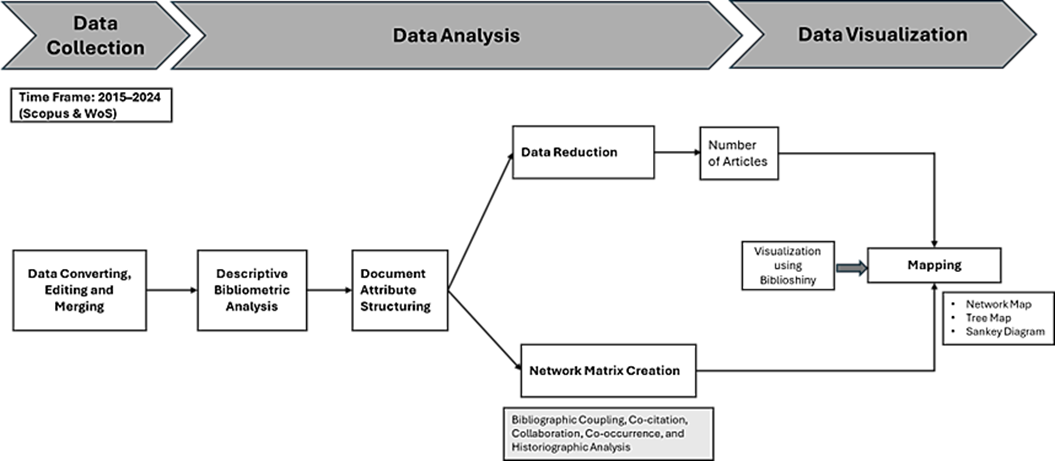
Fig. 1. Bibliometric analysis and science-mapping workflow (2015–2024; Scopus & WoS)
To support domain-specific insights, we structured document attributes relevant to asphalt applications (e.g., feedstock, thermochemical route, post-treatment, and reported performance metrics). These attributes were then used to stratify analyses and visualizations. Science mapping was performed to quantify structure, growth, and thematic evolution in the field, adding quantitative precision to narrative assessments [53]. We built matrices for co-authorship, co-citation, bibliographic coupling, and keyword co-occurrence. Thresholds and normalization settings (e.g., minimum occurrences and association-strength normalization) are reported in the Supplementary Material. For interactive exploration, Biblioshiny generated network maps, treemaps, and Sankey diagrams [54], while VOSviewer provided additional network construction and visual inspection to enhance interpretability and transparency [36]. Following the 2015–2025 dataset, with 2025 treated as early-access records, records were retrieved from Scopus and Web of Science, then converted, edited, merged, and harmonized. We conducted descriptive bibliometric statistics and standardized document attributes (authors, affiliations, countries, year, keywords, citations) into a tidy schema. The dataset was reduced to the final article set, after which we built network matrices bibliographic coupling, co-citation, co-authorship, keyword co-occurrence, and historiographic links. Results were visualized in Biblioshiny to produce network maps, treemaps, and Sankey diagrams. The complete sequence is shown in Fig. 1.
2.2 Data visualization
We used Biblioshiny, a web-based interface for Bibliometrix, to produce the data for creating visualizations [38,39] to extract and visualize key bibliometric metrics. As summarized in Fig. 2 the dataset spans from 2015 to 2025 and comprises 104 documents published across 65 sources by 411 authors. The 2025 records represent early-access articles available at the time of data retrieval and should not be interpreted as a complete publication year. Therefore, trend-related interpretations were mainly based on the last complete publication year, 2024, while the 2025 records were retained to capture the most recent developments in biochar-modified asphalt research. The dataset averaged 5.86 co-authors per document and achieved an international collaboration rate of 29.81%. The field exhibits a strong annual growth rate of 34.24%, with 365 author keywords and an average citation count of 24.38 per document, alongside a mean document age of 2.46 years, highlighting both its recent emergence and academic impact. These findings align with broader trends in sustainable construction materials, where biochar is increasingly recognized for its role as a carbon-neutral modifier in asphalt pavements [55].
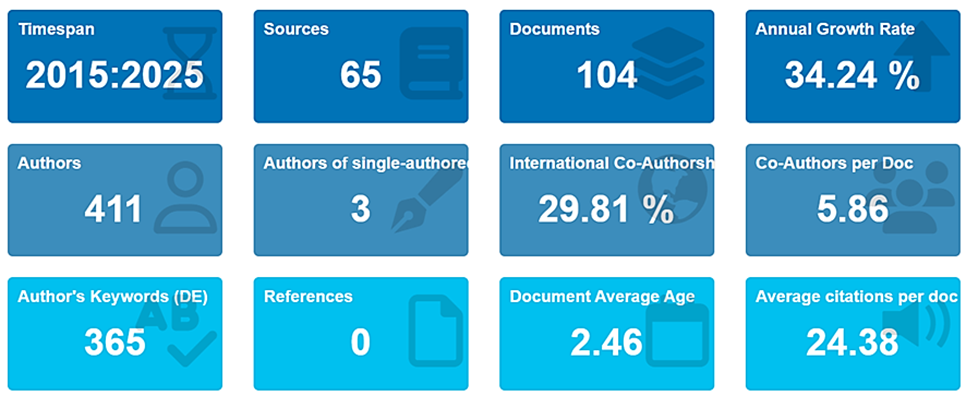
Fig. 2. Summary of primary bibliometric information for the dataset spanning 2015–2025, including early-access records available at the time of data retrieval
3 Bibliometric results
3.1 Publication growth and scientific output
3.1.1 Annual scientific production
The bibliometric analysis of 104 documents reveals a steadily increasing research output on biochar as an asphalt binder modifier, beginning modestly with only one article in 2015 and showing limited growth until 2019, before accelerating significantly from 2020 onwards, with 19 publications in 2023 and a peak of 28 in 2024 (Fig. 3). Although the overall bibliometric dataset includes 2025 early-access records, Fig. 3 presents annual scientific production only up to 2024 because 2024 represents the last complete publication year. Therefore, the 2025 records were not interpreted as a complete annual trend. This sharp rise coincides with the broader global momentum towards circular economy practices and carbon-neutral policies, which have positioned biochar as a promising solution for sustainable pavement technologies. The trend indicates not only growing scientific recognition of biochar’s potential to improve asphalt performance but also the influence of international sustainability agendas driving research attention to eco-efficient materials in transportation infrastructure.
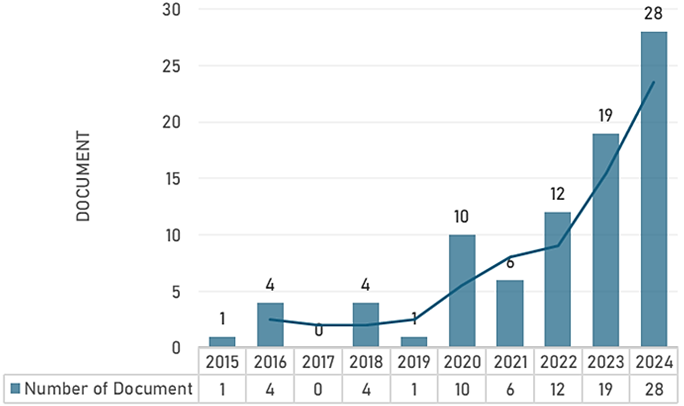
Fig. 3. Annual global scientific production of research articles
3.1.2 Source dynamic production
Fig. 4. presents the annual distribution of literature across the main contributing sources in the field of biochar application for asphalt binder modification. The analysis shows that Science of the Total Environment has been the most consistent contributor since 2016, maintaining a steady growth trajectory and reaching five publications by 2024. In comparison, Construction and Building Materials and Coatings began to emerge from 2020 onward, reflecting a growing emphasis on engineering applications and material performance. More recent years have witnessed sharp increases from sustainability-oriented journals such as the Journal of Cleaner Production and ACS Sustainable Chemistry & Engineering, both of which recorded significant growth in 2023 and 2024. The journal Materials also contributed with a moderate yet notable increase, reinforcing the multidisciplinary dissemination of biochar-related asphalt research across environmental, chemical, and construction domains.
Fig. 5. illustrates the global collaboration network among countries, highlighting the international scope of this research field. China is the leading contributor, showing strong research collaborations with the United States and several emerging partners such as India, Colombia, and European countries. The United States similarly occupies a central position, linking with both developed and developing countries, thereby reinforcing global knowledge exchange. Regional collaborations are also evident, including ties between Asian countries and between European partners, underscoring the increasingly interconnected nature of biochar research. These patterns highlight not only the dominance of China and the United States in advancing the field but also the importance of international collaboration in driving innovation and addressing sustainability challenges in pavement engineering.
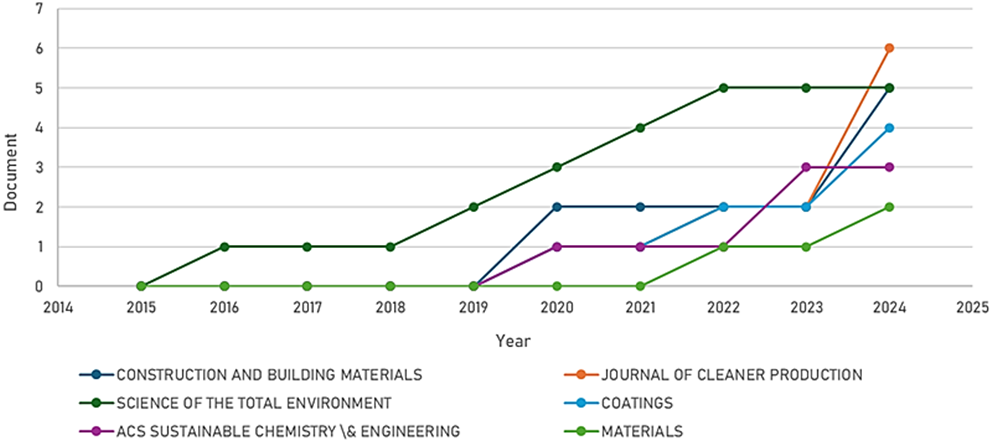
Fig. 4. Distribution of literature on an annual basis

Fig. 5. The global collaboration network among countries for research on biochar application in asphalt binder modification
3.1.3 Country scientific production
Fig. 6. illustrates the global scientific production related to biochar application in asphalt binder modification, based on data retrieved from Biblioshiny. The map was generated using MapChart, where different shades of blue represent distinct ranges of publication output, with darker shades indicating higher productivity. The analysis of publications between 2015 and 2024 reveals that China leads with 190 articles, followed by the United States with 68 articles. Other active contributors include Colombia (19), India (15), and Italy (13), highlighting the emergence of both developed and developing countries in this research domain. These findings emphasize China’s dominant role in advancing biochar-related research for sustainable pavement technologies, while also reflecting increasing international participation. According to Bibliometrix methodology [38], country scientific production is calculated based on author appearances by affiliation, meaning that multi-authored papers with contributors from different countries increase the counts for each affiliated nation. This metric not only captures the distribution of research efforts but also provides insights into international collaboration trends that drive the advancement of sustainable construction materials.
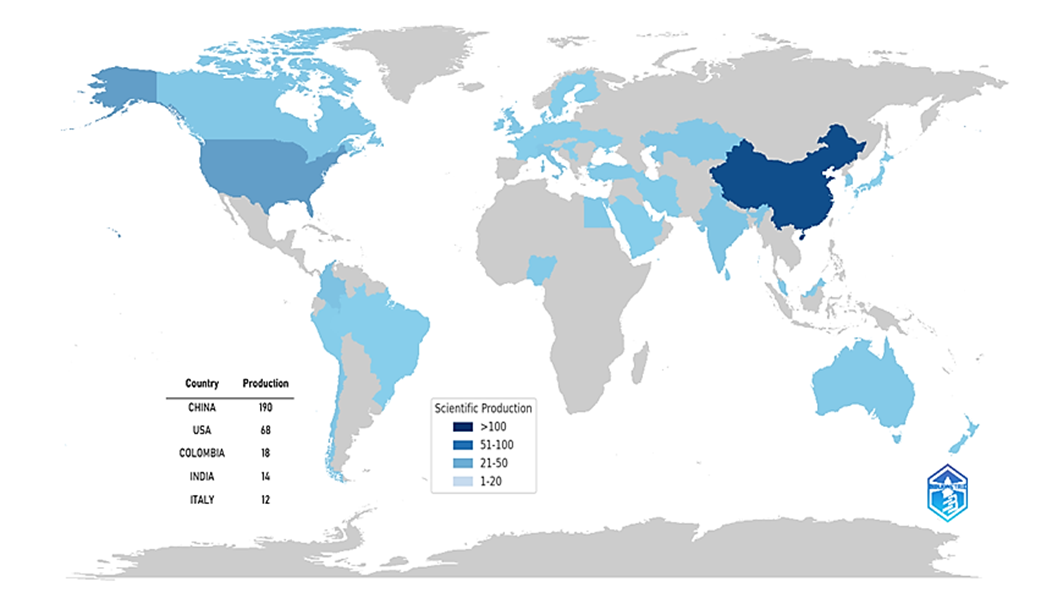
Fig. 6. Scientific production by country
3.2 Thematic structure and keyword analysis
3.2.1 Word cloud
Academic publications commonly employ author keywords to categorize the central themes and research orientation of a study. These keywords provide a concise overview of the paper’s scope and facilitate the identification of emerging research directions within the field. To generate the word cloud visualization presented in Fig. 7., a minimum threshold of five keyword occurrences was applied, and the visualization was constructed using the square root of frequency for improved clarity and interpretability [56]. The resulting word cloud highlights “biochar,” “asphalt,” “pyrolysis,” “performance,” and “rheological properties” as the most prominent terms, indicating the dominant focus areas in current research on asphalt binder modification. Additionally, related terms such as “bitumen,” “bio-oil,” “waste,” “biomass,” and “sustainability” emphasize the multidisciplinary scope of this research, connecting materials science, environmental performance, and sustainable construction practices. This distribution of keywords underscores the increasing attention given to biochar as a sustainable modifier and reflects the broader movement towards environmentally friendly solutions in pavement engineering.
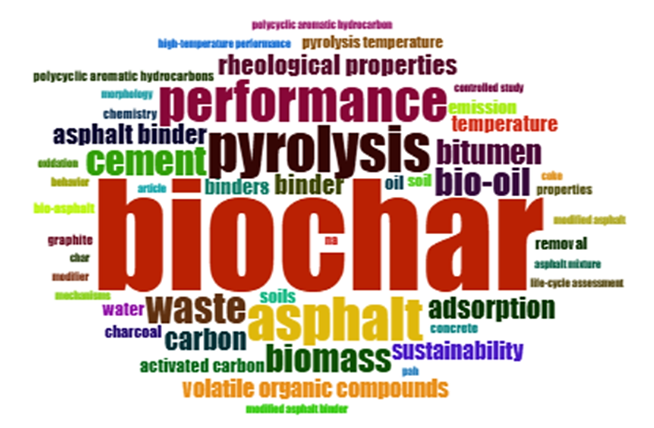
Fig. 7. A word cloud of author keywords based on the interaction of biochar with asphalt binder modification and related research topics
3.2.2 Co-occurrence analysis
Word clouds illustrate the frequency of author keywords but fail to capture the contextual relationships between terms. To overcome this limitation, keyword co-occurrence network visualization, as presented in Fig. 8., enables the clustering of related terms and provides a more comprehensive representation of research linkages [48]. The analysis was conducted using author keywords as the unit of study, applying a minimum threshold of five occurrences to ensure relevance [57]. Node size reflects keyword frequency, link thickness indicates co-occurrence strength, and color-coded clusters denote thematic groupings [58]. This approach highlights the structural patterns of the field, allowing for the identification of central themes and their interconnections.
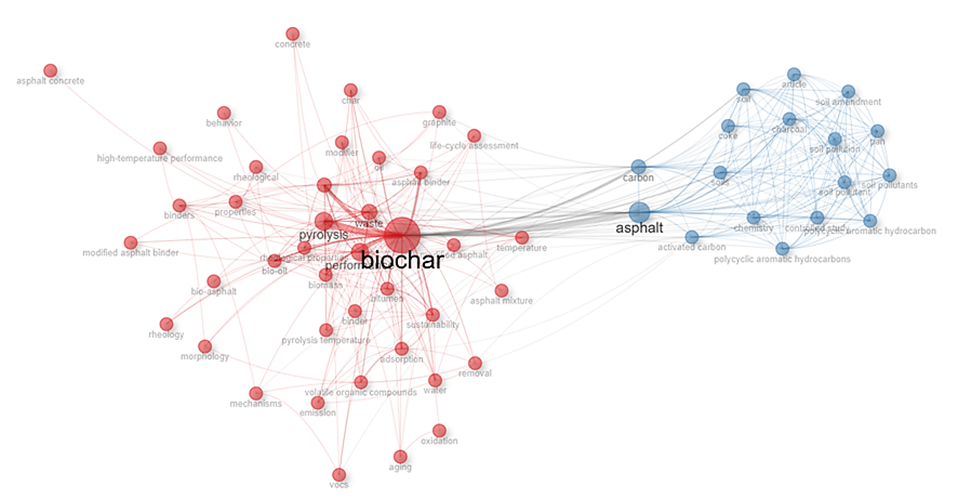
Fig. 8. Keyword co-occurrence network based on interaction biochar and asphalt binder
The visualization reveals that “biochar,” “asphalt,” “pyrolysis,” and “performance” form the dominant cluster, indicating the strong research focus on pyrolysis-derived biochar as a sustainable asphalt binder modifier and its influence on performance metrics. Keywords such as “rheological properties,” “bitumen,” and “aging” emphasize the importance of evaluating binder modification under high-temperature and long-term service conditions [59,60]. A second cluster, linking terms such as “biomass,” “waste,” “carbon,” and “sustainability,” reflects the alignment of this research with circular economy principles, where agricultural and industrial residues are valorized into functional asphalt additives [61,62]. Another cluster highlights environmental aspects, with keywords such as “emission,” “volatile organic compounds,” and “life-cycle assessment,” underscoring the drive to reduce environmental burdens during asphalt production and application [63,64]. Furthermore, the network indicates emerging research interests associated with bio-oil, activated carbon, and cement, showing the extension of biochar studies into hybrid or composite modification approaches [65,66]. The strong connections between “pyrolysis” and “performance” demonstrate that the optimization of biochar production processes remains pivotal for enhancing asphalt binder properties [67].
Overall, the co-occurrence structure confirms the interdisciplinary nature of biochar–asphalt research and indicates that the field is organized around two main thematic directions. The first direction focuses on the technical performance of biochar-modified bitumen and asphalt mixtures, including rheological behavior, high-temperature rutting resistance, aging resistance, fatigue performance, adhesion, and moisture susceptibility. The second direction concerns sustainability and environmental impacts, including biomass waste valorization, carbon storage potential, volatile organic compound reduction, and life-cycle assessment. This dual orientation shows that biochar is increasingly studied not only as a performance-enhancing asphalt modifier but also as a material that supports low-carbon and circular pavement technologies.
3.2.3 Three-field plot
Fig. 9. presents a three-field plot (Sankey diagram) generated through Biblioshiny, illustrating the interconnections between keywords, country affiliations, and research topics [68]. The diagram highlights that “biochar,” “asphalt,” “performance,” and “rheological properties” are among the most recurrent themes, reflecting the central focus of this research domain. In terms of affiliations, China and the United States dominate the research output, followed by emerging contributions from countries such as Colombia, India, and Italy, indicating both established and growing participation in this field. On the topic dimension, frequently used terms such as “modified binder,” “pyrolysis,” “bitumen,” and “bio-asphalt” underscore the multidisciplinary orientation of biochar applications, spanning material modification, thermal processes, and sustainability aspects.
This visualization not only reveals the concentration of research efforts in leading countries but also demonstrates the thematic diversity connecting biochar research with performance-based evaluations and environmental considerations in pavement engineering. Such findings provide insights into current research patterns, potential collaborative networks, and future directions for advancing sustainable asphalt technologies.
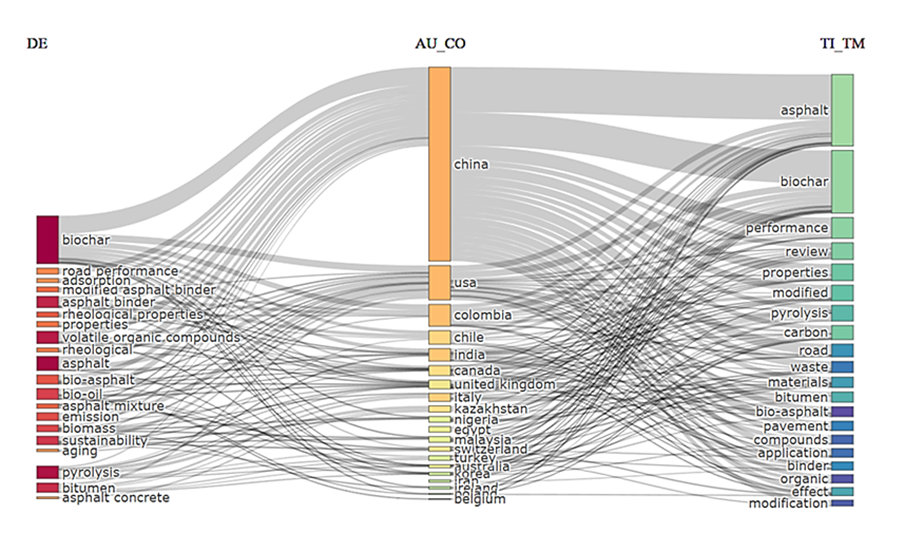
Fig. 9. Sankey diagram showing the respective proportion of research topics by affiliation and publication source
3.3 Trending topics
An extract from Biblioshiny in Fig. 10. illustrates the evolution of trending topics between 2018 and 2024, providing valuable insights into emerging research directions in the application of biochar as an asphalt binder modifier. The visualization identifies “biochar,” “asphalt,” “pyrolysis,” “binder,” and “performance” as the most prominent and persistent terms, confirming that research in this field remains centered on optimizing biochar production and evaluating its impact on binder properties [59]. The term “pyrolysis” shows strong recurrence, highlighting the crucial role of production parameters in determining the physicochemical properties of biochar and, consequently, its effectiveness as a sustainable asphalt additive [67].
The keyword “performance” reflects a growing body of research focused on rheological, mechanical, and aging-related characteristics of biochar-modified binders, especially under high-temperature service conditions [60]. Similarly, the emergence of “rheological properties” and “bitumen” indicates that researchers are placing emphasis on linking microstructural changes in asphalt binders with macroscopic performance indicators [66]. Another trending topic, “sustainability,” connects biochar research with the broader agenda of low-carbon and eco-friendly construction practices, aligning with global policy directions such as the circular economy framework [61].
Environmental considerations are further reinforced by the prominence of keywords such as “waste,” “carbon,” and “volatile organic compounds,” reflecting research efforts to valorize agricultural residues while reducing emissions during asphalt production [63,64]. Meanwhile, terms such as “bio-oil” and “cement” indicate diversification of biochar research toward hybrid materials and multifunctional modifications, suggesting cross-disciplinary approaches between pavement engineering and materials science [65]. The inclusion of “concrete” and “graphite” also demonstrates attempts to integrate biochar into broader construction applications, highlighting its multifunctionality beyond asphalt systems [69].
Overall, the trending topics reveal a dual trajectory in this research area: one path emphasizes technical performance and durability of biochar-modified binders, while the other addresses sustainability and environmental impact. Recent reviews affirm that biochar is increasingly positioned not only as a performance-enhancing additive but also as a carbon-sequestering material that aligns with global climate mitigation goals [55]. These findings demonstrate that the research domain is expanding in both technical rigor and environmental relevance, underscoring biochar’s role as a key enabler of sustainable pavement technologies.
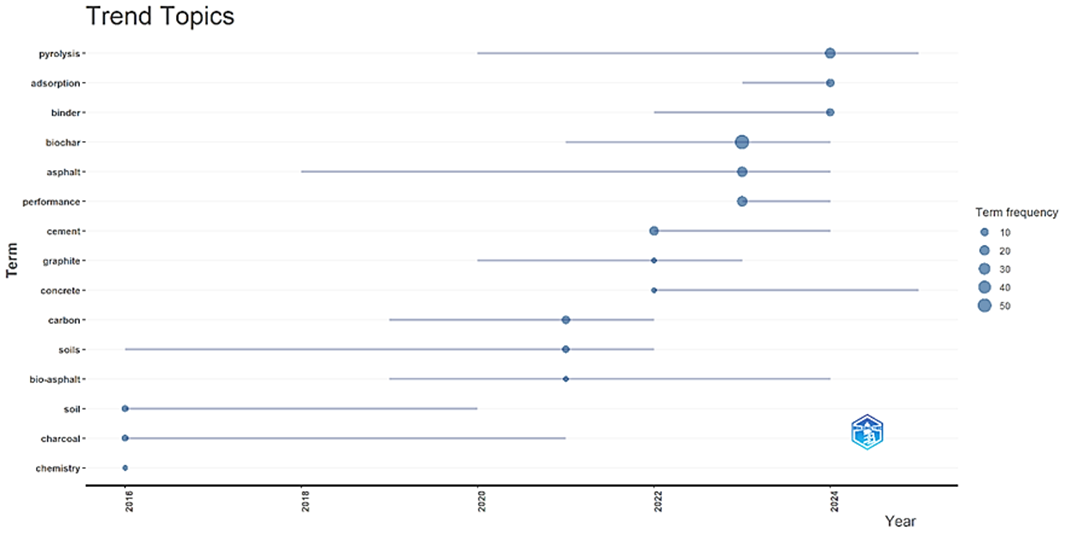
Fig. 10. Trending topics on biochar application in asphalt binder modification
3.4 Knowledge gaps
Research on the incorporation of biochar into asphalt binders has produced promising outcomes, particularly in terms of improving rheological performance, high-temperature stability, and resistance to rutting. Nevertheless, significant gaps remain in the current knowledge base. First, while most studies focus on short-term laboratory evaluations, there is still a lack of long-term aging assessments, durability tests, and field-scale validations to confirm the sustained performance of biochar-modified asphalt under real traffic and climatic conditions. Second, the existing literature has primarily examined limited types of biomass feedstocks and pyrolysis conditions, which constrains understanding of how variations in biochar properties such as surface chemistry, porosity, and particle size affect binder modification outcomes. Third, although environmental benefits such as reduced emissions and waste valorization are frequently highlighted, comprehensive Life-Cycle Assessments (LCA) and evaluations of potential trade-offs (e.g., increased viscosity impacting workability and energy use during mixing) remain scarce.
Another critical gap lies in the insufficient exploration of compatibility between biochar and other common modifiers (e.g., polymers, fibers, nanomaterials), which could unlock synergistic effects but has not been systematically studied. Moreover, most research to date has relied on controlled laboratory-scale experiments, with very few pilot-scale or field applications conducted on pavements. This limits the ability to translate laboratory findings into practical engineering guidelines for highway agencies and industry stakeholders. Addressing these gaps requires expanding investigations into diverse biochar feedstocks, conducting comprehensive multi-scale performance evaluations, and integrating environmental impact assessments with technical performance. Bridging these knowledge gaps will not only strengthen the scientific foundation of biochar-modified asphalt research but also enhance its practical applicability as a sustainable solution for road infrastructure.
3.5 Physicochemical characterization
Physicochemical characterization establishes the connection between thermochemical processing variables and the interfacial and rheological responses of biochar-modified asphalt [70,71]. Scanning Electron Microscopy (SEM) is used to resolve surface morphology, pore architecture, and roughness that govern binder–biochar interfacial area and mechanical interlocking in the mastic [23,28]. Brunauer–Emmett–Teller (BET) physisorption yields specific surface area, pore volume, and pore-size distribution; reporting should follow IUPAC guidance on isotherm types, hysteresis, and data treatment, complemented by recent methodological reviews [28]. Fourier Transform Infrared Spectroscopy (FTIR) fingerprints O–H, C=O, C–O, and aromatic C=C groups, while X-ray Diffraction (XRD) separates turbostratic from graphitic carbon and identifies crystalline ash phases signatures routinely used to interpret ageing/compatibility in asphalt binders [72,73]. Temperature-linked trends greater aromaticity/hydrophobicity and fewer oxygenated moieties at higher pyrolysis temperatures are consistently captured by FTIR/ (XRD) and map to rheological ageing behavior [24,74]. Asphalt-focused case studies corroborate these links for oat-hull biochar and spent-coffee biochars, with SEM–FTIR–rheology showing improved viscosity, MSCR/complex modulus, and ageing resistance [74,75].
3.5.1 SEM: Pore structure analysis
Scanning Electron Microscopy (SEM) is widely used to visualize the surface morphology and pore structure of biochar. High-resolution SEM images reveal micro- and macro-pores, as well as surface roughness, which influence the binder–biochar interfacial area. For example, SEM analysis of corn straw [76] and rice husk biochars showed a well-developed porous structure in samples activated with NaOH [77], contributing to better adsorption capacity and improved asphalt fume suppression [2]. In another study, SEM imaging confirmed the presence of hierarchical pores in rice husk biochar (RH) [78,79], enhancing its potential for Volatile Organic Compound (VOC) entrapment in asphalt [80].
3.5.2 BET analysis: surface area and porosity
The Brunauer Emmett Teller (BET) technique quantifies the specific surface area and total pore volume of biochar, both of which correlate with its capacity for physical interaction with asphalt binders [24,70,72,81] . RH biochar showed a high specific surface area of 142.98 m²/g and micropore volume of 0.0388 cm³/g substantially higher than other types such as ST (7.66 m²/g) and CG (4.87 m²/g) [34,72,73,77]. Similarly, corn straw biochar with a BET area of 50.028 m²/g demonstrated superior asphalt modification potential compared to other variants [2,82].
3.5.3 FTIR and XRD: surface chemistry and crystallinity
Fourier Transform Infrared Spectroscopy (FTIR) is used to identify functional groups on biochar surfaces, such as hydroxyl (–OH), carboxyl (–COOH), and carbonyl (C=O). These groups enhance interfacial affinity with asphalt through hydrogen bonding, polar interactions, and improved binder compatibility. For instance, FTIR spectra of RH and corn straw biochar revealed strong –OH and aromatic C=C stretching bands, indicating potential for hydrogen bonding and improved binder compatibility [2,77]. X-ray Diffraction (XRD) helps determine the crystallinity of biochar [83], differentiating between amorphous and graphitized carbon structures [84]. Sample 1 from corn straw biochar showed sharp peaks at the (002) plane, indicating high crystallinity and enhanced graphitization, which may support better structural stability in asphalt binders [2]. In contrast, RH and other samples displayed predominantly amorphous structures with weak diffraction peaks, correlating with higher surface activity for adsorption purposes [77,85–87].
3.5.4 Elemental analysis: C/H/O/N and ash content
Elemental analysis provides essential insights into the biochar composition, especially the relative proportions of carbon (C), hydrogen (H), oxygen (O), nitrogen (N), sulfur (S), and ash. These elements influence thermal stability, polarity, and environmental compatibility. Studies reported C contents between 55% and 79%, with varying H and O depending on pyrolysis conditions [84]. Fast pyrolysis biochar exhibited higher ash (6.4%) and lower C compared to slow pyrolysis samples [81,88,89]. Biochars with low N and S content are preferred due to their reduced NOx/SOx emission risks [3,90,91]. The elemental distribution also correlates with biochar's effect on asphalt [92,93]. For example, high nitrogen content (1.27 wt%) in acacia biochar contributed to stronger metal coordination and better pollutant adsorption from asphalt fumes [94], consistent with mechanisms reported for N-doped/heteroatom-rich biochars [95,96].
3.6 Biochar modification
Biochar may be physically or chemically tailored to boost surface reactivity, porosity, and compatibility with asphalt binders, yielding mechanical and environmental gains [29,77,97,98]. Recent syntheses and reviews of biochar in asphalt support these aims and call for standardized modification–characterization workflows [30]. Physical routes (size reduction/sieving, grinding/high-shear) improve dispersion and interfacial contact e.g., swine-manure biochar sieved #200 and blended at ~165 °C enhanced rutting and fracture resistance (HWT, SCB) [71], consistent with broader HMA testing using manure biochar [71]. Coffee-ground biochar pyrolyzed at ~550 °C and sieved ~0.3 mm promoted rough, porous morphologies favorable for interaction in rejuvenated asphalt [97–99]. Chemical routes (acid/base treatments, targeted doping) increase –OH/–COOH/C=O functionalities and tune surface energy; FTIR on rice-husk/straw/coffee biochars confirms abundant groups that strengthen asphalt interactions and aid VOC adsorption [77,97]. In Mesua ferrea systems, phenolic/carboxylic signatures linked to improved compatibility and anti-aging [29], aligning with asphalt case studies [77]. Inherently metal-rich or oxide-modified biochars further suppress asphalt VOC emissions while maintaining performance, underscoring an environmental co-benefit of chemical tailoring [29,94].
In this review, physical modification and chemical interaction are distinguished to avoid ambiguity in interpreting biochar–asphalt mechanisms. In most biochar-modified asphalt binders, biochar primarily acts as a physical modifier or functional filler. Its porous structure, high surface area, and particle morphology contribute to mastic reinforcement, adsorption of lighter asphalt fractions, mechanical interlocking, and improved resistance to deformation. These mechanisms are generally associated with filler effects and physisorption rather than the formation of new covalent bonds with bitumen. Chemical modification, in contrast, refers mainly to the pre-treatment or surface tailoring of biochar before blending with asphalt, such as acid/base activation, heteroatom doping, or metal/oxide functionalization. Such treatments may increase polar functional groups or active adsorption sites, thereby improving compatibility, VOC adsorption, and aging resistance. Therefore, the term “chemical tailoring” in this review does not imply extensive new bond formation within the asphalt binder system; rather, it indicates surface modification of biochar that enhances interfacial affinity through hydrogen bonding, polar interactions, chemisorption at specific active sites, or stronger adsorption of volatile compounds.
3.6.1 Physical modifications
The reviewed studies indicate that physical tailoring mainly focuses on particle-size reduction, activation, and energy-assisted treatments [88]. Finer grinding (<75 µm) increases surface area and improves dispersion, raising viscosity and rutting resistance while lowering penetration in several binder systems [76][22],[26]. Steam/CO₂ activation is reported to create hierarchical micro-/mesoporosity (often >400 m² g⁻¹), which reduces temperature susceptibility and strengthens rutting/oxidation resistance by adsorbing lighter fractions and moderating oxidative aging [2]. Emerging microwave/ultrasonic treatments further open pores and break agglomerates, enhancing mechanical anchoring and durability of the mastic under thermal mechanical cycles [76,77].
3.6.2 Chemical modification
Chemical functionalization through acid/base treatment increases the density of –OH/–COOH/–C=O groups [94], improving compatibility and interfacial affinity with polar asphalt components. Fourier Transform Infrared Spectroscopy (FTIR), X-ray Diffraction (XRD), and Energy Dispersive X-ray Spectroscopy (EDS) results across the reviewed corpus corroborate the introduction or amplification of these groups and the resulting performance benefits, such as anti-aging and VOC suppression[21]. Representative evidence from the reviewed studies also highlights biochars whose native heteroatom/metal sites, such as Fe, Ca, and Al, help trap VOCs and bolster rheological stability, with DFT analyses supporting stronger adsorption on metal-functionalized surfaces [28,100]. Composite approaches that integrate biochar with oils or polymers, such as bio-oil and coffee-ground biochar rejuvenators, improve rutting, fatigue, and low-temperature cracking based on BBR/LAS/MSCR test suites[12].
3.6.3 Formulation specifications
Across the reviewed literature, the effectiveness of biochar as an asphalt modifier is chiefly determined by the feedstock and thermochemical conditions employed. Agricultural residues (e.g., corn straw, oat hulls) are prominent: oat-hull biochar obtained by slow pyrolysis at 300 °C for 2 h improved binder viscosity and ageing resistance [28], while crop-straw biochar prepared at ≈450 °C (muffle furnace) enhanced high-temperature performance by forming a fibrous skeletal network within the binder [76]. Woody precursors show similar trends: slow-pyrolyzed birch biochar at 450 °C (12 h) produced a high-carbon, low-ash material with superior thermal stability, whereas fast-pyrolyzed poplar-bark biochar (≈480 °C) contained higher ash/oxygen and showed less consistent performance [88]. Other wastes (spent coffee grounds, oil-palm mesocarp fiber, Mesua ferrea seed cover, cherry/sour-cherry wood) introduce distinct mineral/organic signatures that modulate bitumen interaction; coffee-based biochar exhibits moderate surface activity, while Mesua ferrea biochar mainly improves thermal behavior with limited chemical reactivity [29]. Process parameters are equally critical: studies operating between 300–700 °C report that higher temperatures yield more aromatic, carbon-rich, hydrophobic chars; slow pyrolysis favors stable, low-volatile solids, whereas fast pyrolysis prioritizes bio-oil and produces chars of higher porosity but lower carbon content [21,88]. Post-treatments typically refine particles to <75 µm to aid dispersion; SEM consistently reveals irregular, porous/fibrous morphologies that support adsorption of lighter fractions [19],[26]. Elemental analyses commonly show carbon contents >70% with variable O, H, N and trace metals depending on feedstock and process [88]. FTIR indicates hydroxyl, carbonyl, and aromatic groups; despite predominantly physical interactions (no new bonds with bitumen), these functionalities enhance compatibility and stabilize the biochar–asphalt system [21,24,28]. Representative formulations, dosages, modifier functions, and performance outcomes are synthesized in Table 1.
Table 1. Representative biochar-modified binder formulations: feedstocks, dosages, modifier functions, and performance outcomes
|
Dosage (% w/w) |
Modifier Function |
Performance Effects |
Ref |
|
|
Palm mesocarp fiber |
5, 10 and 15 |
Binder Modifier |
Increased binder stiffness and rutting resistance; reduced penetration and permanent deformation; improved moisture damage resistance (from 75.6% to 83.7%), stability, and resilient modulus. |
[1] |
|
Corn straw |
1, 2 and 3 |
fume suppressant |
Improved rutting and fatigue resistance; reduced stiffness modulus. |
[2] |
|
European hazelnut shell biochar (Corylus avellana L.) |
5 |
Binder Modifier |
Enhanced binder stiffness, rutting resistance, fatigue resistance, and aging resistance. |
[3] |
|
Acacia biochar |
0.5 mm layer (0.2 g on 16 g binder) |
VOC control |
Reduced VOC emissions (by 16.9%); improved aging resistance and adsorption via Fe, Ca, and Al; increased asphalt colloidal stability. |
[94] |
|
Waste wood |
2–8 |
Crystallization regulator |
Increased crystallinity and physical hardening above 6%; second crystallization observed at 8%. |
[75] |
|
Cherry & sour cherry pruning waste |
13, 15 17 |
Binder Modifier |
Improved binder stiffness, rutting resistance, and fatigue resistance. |
[101]
|
|
Spent coffee grounds |
0, 2, 4, 6 and 8 |
Composite Rejuvenator (biochar + bio-oil) |
Increased viscosity, softening point, and rutting resistance; reduced penetration and phase angle. |
[97] |
|
Rice husk, Straw, coffee |
6 |
VOC inhibitor |
Reduced VOC emissions; improved binder stiffness, rutting resistance, and fatigue resistance. |
[24] |
|
Mesua ferrea seed cover |
0, 5, 10, 15 and 20 |
Binder modifier |
Enhanced binder stiffness, rutting resistance, and fatigue resistance; reduced penetration and stress sensitivity; improved aging resistance. |
[29] |
|
Swine manure |
5 |
Binder modifier |
Improved rutting and fracture resistance, UV color stability, aging resistance, visual durability, and sustainability potential. |
[98] |
|
Crop straw |
5–15 |
Binder modifier |
Enhanced binder stiffness, rutting resistance, and fatigue resistance; reduced thermal sensitivity and low-temperature cracking. |
[21] |
|
Oat hulls |
2.5–7.5 |
Binder modifier |
Improved binder stiffness, rutting resistance, fatigue resistance, and workability; reduced thermal susceptibility and low-temperature cracking. |
[28] |
|
Wood biochar (slow vs. fast pyrolysis) |
5, 10 |
Binder modifier |
Increased viscosity and rutting resistance; reduced penetration, fatigue resistance, and aging rate; mixed effects on oxidative susceptibility and workability depending on pyrolysis type. |
[88] |
|
DS-510F (commercial straw) |
0, 5, 7,5, 10, 12,5 and 15 |
Binder modifier |
Increased G*/sin δ, softening point, and fatigue resistance; reduced penetration and temperature sensitivity; improved anti-aging performance. |
[24] |
|
Crop straw |
0–12 |
Binder modifier |
Enhanced viscosity, softening point, rutting resistance, fatigue resistance, and workability; reduced penetration and low-temperature performance. |
[75] |
The dosage range summarized in Table 1 indicates that the optimum biochar content is highly system-dependent and should not be interpreted as a universal threshold. Moderate biochar dosages, commonly around 2.5–10% by binder weight, generally improve stiffness, rutting resistance, aging resistance, and VOC suppression, depending on feedstock type, pyrolysis condition, particle size, surface chemistry, and binder characteristics. However, higher dosages may produce diminishing benefits or adverse effects. Excessive biochar addition can substantially increase binder viscosity and stiffness, leading to reduced workability, more difficult mixing and compaction, storage instability, and potential embrittlement or low-temperature cracking. Several studies using dosages above 10–15% reported improved high-temperature performance, but these benefits may be accompanied by trade-offs in fatigue resistance, low-temperature behavior, and practical workability. Therefore, the practical “tipping point” for biochar addition should be determined for each biochar–binder system by jointly evaluating rutting resistance, viscosity, workability, fatigue performance, storage stability, and low-temperature cracking indicators.
3.7 Performance evaluation of biochar in asphalt binders and mixtures
3.7.1 Rheological properties
Biochar generally enhances high-temperature rheology: G* increases and Jnr decreases in DSR/MSCR, improving rutting resistance; the effect scales with biochar type and content (e.g., ~5–10%) and is influenced by pyrolysis route, with slow-pyrolysis chars often raising viscosity more than fast-pyrolysis due to ash/surface-chemistry differences [88]. FTIR typically indicates predominantly physical interactions (no new bonds), though –OH/C=O/aromatic functionalities can improve compatibility and thus rheological response [88]. These trends are consistent with binder studies using oat-hull biochar (factorial design across temperature/size/dosage), spent-coffee biochar (FTIR/DSR), and broader assessments of biomass-modified binders and partial binder replacement [21,28,29,70,102,103].
3.7.2 Aging resistance
Biochar shows substantial potential to slow oxidative aging: aging indices fall after RTFO/PAV and FTIR carbonyl/sulfoxide indices decline, consistent with adsorption/antioxidant effects of the carbonaceous, porous matrix [24,88]. Functional groups (–OH, C=O, aromatic) can interact with polar fractions, moderating oxidation during thermal/UV exposure [24]; several studies further differentiate fast- vs slow-pyrolysis effects on long-term susceptibility [88]. Evidence spans chemical-index tracking (CI/SI), UV/thermal aging comparisons, and metal-rich/Fe-modified biochars that couple anti-aging and VOC control [23,104–107].
3.7.3 Mechanical properties of asphalt mixtures
In mixtures, moderate biochar contents (≈5–10%) generally improve rutting resistance and fatigue life [29,98] and can enhance moisture resistance via better adhesion/compatibility at the binder–aggregate interface [76]. These findings are consistent with broader pavement studies using biomass- or agro-waste-derived fillers, where mixture stiffness, deformation resistance, and predicted service life were shown to depend strongly on filler type, filler content, compaction condition, and mechanistic pavement response[32]. SCB and Hamburg wheel-tracking consistently capture these gains, while SFE/AFM analyses reveal increased work of adhesion and more uniform micro-texture; fine particle sizes (≤75 µm) aid dispersion and stiffness control [24,88]. Representative evidence comes from HMA programs using SCB/HWT, adhesion studies (SFE/AFM) on biochar-modified binders, and recent developments of cyclic-SCB protocols for fatigue [21,99,108,109].
3.7.4 Environmental benefits
Environmentally, biochar can suppress VOC emissions during mixing/lay-down (notably with Fe-rich or oxide-modified chars) and, in some formulations, enable workability/energy benefits while advancing circular use of residues and long-lived carbon storage [77] [88,97]. Studies on other waste-derived asphalt materials, such as steel slag in porous asphalt mixtures, also show that waste valorization can contribute to pavement stability and reduce dependence on conventional natural materials [110]. LCA studies indicate potential GHG and energy reductions when partial binder substitution and biochar carbon storage are credited, especially with locally sourced residues; these findings align with broader sustainability reviews on bio-modifiers and VOC-reduction additives in asphalt [111–115].
3.8 Environmental and economic considerations
Life Cycle Assessment (LCA) provides a system boundary to quantify cradle-to-gate and use-phase impacts of biochar-modified asphalt and consistently indicates advantages over petroleum-only binders [21]. In Eurobitume’s inventory, producing bitumen is energy- and carbon-intensive (classic figures often cited are ≈2830.69 MJ and 189.12 kg CO₂e per tonne of binder [21]; updated LCA 4.0 shows larger cradle-to-gate GWP for refined/oxidized grades), underscoring the value of partial substitution with bio-based carbon. Peer-reviewed LCAs of biochar-modified binders report net GHG and energy reductions relative to conventional systems, especially when residues are locally sourced and credits for carbon storage are applied [21,116]. environmental co-benefits extend beyond carbon: metal-rich or Fe-modified biochars demonstrably suppress asphalt VOC emissions during mixing/lay-down, complementing rheological gains [94,111,117–119]. While pyrolysis is the dominant energy burden, its intensity is tunable; slow pyrolysis (≈350–800 °C) yields more char at the expense of residence time, whereas fast pyrolysis (≈425–550 °C) favors bio-oil with lower char yields—implications borne out in LCA sensitivity analyses [3,55,94,120]. Overall, empirical and review evidence converge on net environmental gains for biochar-modified asphalt via reduced VOCs, potential workability-related energy savings during compaction, circular use of agro-residues, and long-lived carbon storage [28,55,76,90,121].
To provide a clearer quantitative and comparative perspective, the available cradle-to-gate and CO₂-equivalent information from the cited LCA literature is summarized in Table X. The comparison distinguishes between values that are directly reported in the reviewed literature and cases where harmonized CO₂-equivalent comparisons remain limited. This distinction is necessary because existing studies vary in functional unit, system boundary, allocation method, biochar dosage, binder replacement ratio, and whether carbon storage credits are included.
Table 2. Comparative cradle-to-gate considerations from cited LCA literature
|
System assessed / LCA reference |
LCA boundary or functional unit |
Key environmental indicators reported |
Implication for this review |
|
Conventional asphalt binder / bitumen [21] [114], [116] |
Cradle-to-gate production of asphalt binder/bitumen |
Earlier inventory data report approximately 2830.69 MJ and 189.12 kg CO₂e per tonne of binder. Updated Eurobitume LCA 4.0 reports higher cradle-to-gate GWP values for refined or oxidized grades depending on product category and inventory assumptions. |
Provides the petroleum-derived binder baseline and shows that reported CO₂e values are sensitive to inventory version, product type, and methodological assumptions. |
|
Biochar-modified bioasphalt [111] |
Bioasphalt binder system derived from biomass/biochar; LCA boundary depends on the study scenario |
The cited LCA reports reduced GHG and energy burdens relative to petroleum-only systems when biomass-derived components and carbon storage benefits are considered. |
Supports the potential environmental advantage of biochar-modified asphalt, but the magnitude depends on feedstock, pyrolysis energy, biochar/bio-oil content, transport distance, and credit allocation. |
|
Biochar production and application [117–119] |
Biochar production and application under cradle-to-gate or cradle-to-application assumptions |
Biochar can provide carbon storage benefits, but pyrolysis energy, feedstock logistics, and allocation assumptions significantly affect the net result. |
Confirms that biochar should not automatically be treated as carbon-negative without accounting for pyrolysis burden and supply-chain conditions. |
|
SBS-modified asphalt comparison [107,113] |
Existing cited studies do not provide a directly harmonized CO₂e comparison between SBS-modified asphalt and biochar-modified asphalt under the same functional unit. |
Direct quantitative CO₂e comparison remains limited in the cited literature. |
A harmonized LCA comparing conventional asphalt, SBS-modified asphalt, and biochar-modified asphalt is needed using common functional units, such as 1 tonne of binder or 1 lane-kilometer of pavement. |
The comparison in Table 2 shows that the environmental performance of biochar-modified asphalt is strongly influenced by boundary definition, functional unit, and credit allocation. Biochar-modified systems may offer environmental advantages when locally available residues are used, stable carbon storage is credited, and petroleum-derived binder demand is reduced. However, pyrolysis remains a key contributor to energy demand and should be explicitly included in cradle-to-gate calculations. Direct comparison with SBS-modified asphalt remains limited because existing studies do not consistently use comparable functional units, binder contents, performance assumptions, or life-cycle boundaries. Future studies should therefore compare conventional asphalt, SBS-modified asphalt, and biochar-modified asphalt under harmonized assumptions, including binder replacement ratio, modifier dosage, mixing temperature, transport distance, service life, and maintenance interval.
From a climate-mitigation perspective, biochar’s aromatic, recalcitrant carbon supports long-term CO₂ storage in bound pavement layers, with permanence assessed via half-life, thermally stable fractions, and oxidation resistance; meta-analyses and modeling confirm multi-decadal to century-scale stability, consistent with sequestration credits applied in LCAs [24,28]. Case comparisons also show feedstock effects: acacia-derived, metal-rich chars reduce VOCs and can exhibit lower life-cycle GHGs than grass-based analogs [94], while crop-straw biochars combine high fixed carbon with residue valorization [76]. Economically, feasibility hinges on residue availability, pyrolysis settings, logistics, and avoided maintenance. Reported cost sensitivities for slow versus fast pyrolysis align with classic techno-economic comparisons: high char yield but longer residence time in slow pyrolysis versus lower char yield and shorter residence time aimed at bio-oil production in fast pyrolysis. These findings emphasize the importance of local sourcing to minimize transport burdens and maximize the benefits of waste-stream utilization [3,76,94].
In service, improved rutting and ageing resistance may extend maintenance or overlay intervals, thereby reducing life-cycle expenditures and strengthening the practical case for biochar-modified asphalt systems [76]. Overall, the combined environmental benefits, including potential GHG reduction, VOC suppression, circular use of biomass residues, and long-term carbon storage, together with possible economic benefits from residue utilization and reduced operation and maintenance costs, position biochar as a promising sustainability-oriented asphalt modifier. However, these benefits remain conditional on optimized pyrolysis parameters, appropriate biochar dosage, local feedstock availability, minimized transport burdens, and transparent cradle-to-gate accounting [3,21,24,28,76,94].
3.9 Future research direction
Despite encouraging results from laboratory-scale studies, the application of biochar-modified asphalt still faces several scientific, technical, and practical challenges. Addressing these limitations is crucial to advance from controlled laboratory experiments to real-world pavement applications. The following directions are proposed to strengthen the empirical foundation and support industry adoption.
3.9.1 Lack of standardized testing protocols
Current studies employ diverse methods such as DSR, FTIR, SEM, and penetration tests, but differences in conditions and metrics make cross-study comparisons unreliable. Standardized protocols are required to assess binder performance, compatibility, and durability consistently [59] [21,88]. Xu et al. (2020) also observed that rheological test parameters for biochar-modified binders varied widely, complicating performance comparisons [60]. Similarly, Wang et al. (2021) emphasized the lack of consistency in assessing microstructural and dispersion behaviors [66]. A review by Lv et al. (2021) reinforced the need for standardized evaluation methods for modified asphalt binders [122].
Beyond identifying the absence of standardized protocols, future research should also clarify how existing ASTM/AASHTO asphalt binder standards can be adapted for biochar-modified binders. In the authors’ view, completely new standards may not be necessary at this stage; instead, current binder evaluation procedures should be supplemented with biochar-specific reporting and interpretation requirements. Performance grading standards, such as AASHTO M 320 and AASHTO M 332, should be supported by mandatory reporting of biochar feedstock, pyrolysis condition, particle-size distribution, ash content, surface area, dosage, blending temperature, and blending time. Rheological and workability tests, including DSR, MSCR, and rotational viscosity procedures, should be interpreted together with dispersion quality, sedimentation tendency, viscosity growth, and storage stability because biochar particles may increase stiffness without necessarily indicating improved elastic recovery. Aging and low-temperature evaluations, such as RTFO/PAV and BBR-based procedures, should also be emphasized to ensure that high biochar dosages do not introduce embrittlement or low-temperature cracking risks. Therefore, future ASTM/AASHTO-style guidance should focus on standardized biochar characterization, blending protocol, dispersion stability, viscosity control, aging response, and low-temperature performance, rather than replacing existing asphalt binder standards.
3.9.2 Limited field validation and long-term data
Most findings are based on short-term laboratory experiments, with limited validation under actual climatic and traffic conditions. Similar challenges have also been emphasized in asphalt-based transport infrastructure research, where laboratory and mechanistic findings require stronger linkage with field validation, design guidance, and implementation-oriented performance monitoring before broader adoption in sustainable transport infrastructure [123]. Related pavement studies using mechanistic-empirical approaches also demonstrate that remaining service life can be strongly affected by fatigue cracking, rutting, traffic loading, and structural response, reinforcing the need for long-term validation before sustainable asphalt technologies are adopted at field scale [124].
Pilot- and full-scale trials are urgently needed to demonstrate long-term durability. Yao et al. (2021) underscored the importance of field testing for sustainable additives [125]. Li et al. (2020) highlighted the absence of systematic long-term pavement monitoring [126]. Cao et al. (2021) highlighted that climate-specific durability remains underexplored [127] . A recent review by Yaro et al. (2023) concluded that a lack of pilot-scale studies continues to hinder confidence in implementation [55].
3.9.3 Variation in feedstocks and processing methods
Biochar properties depend heavily on biomass type and pyrolysis parameters, leading to performance variability. Systematic studies comparing diverse feedstocks are needed to establish performance–property linkages. Zhang et al. (2021) showed pyrolysis conditions critically influence biochar’s surface chemistry and efficiency in asphalt [67]. Leng et al. (2019) reported variable binder performance from different waste feedstocks [69]. A bibliometric review by Tan et al. (2021) indicated that limited diversity of feedstocks has been a consistent knowledge gap [61]. Wang et al. (2022) further emphasized the need for systematic studies comparing feedstocks and pyrolysis methods [62].
3.9.4 Scarce economic and lifecycle evaluation in road projects
Cost-effectiveness and environmental impacts remain underexplored. Most analyses consider raw material costs while neglecting long-term maintenance savings or carbon credits. Feng et al. (2020) reported that most environmental studies focus narrowly on emission reductions without considering full lifecycle impacts [64]. Li et al. (2021) highlighted that life cycle assessment of biochar in asphalt remains rare [63]. Yang et al. (2020) showed that cost-benefit analysis often neglects maintenance savings and broader sustainability benefits [128]. Zhang et al. (2022) confirmed that techno-economic evaluations are essential to support industry adoption [129].
3.9.5 Integration with policy and industry adoption
Widespread use of biochar in asphalt requires alignment with industry standards, specifications, and supportive policies. Yaro et al. (2023) emphasized that regulatory frameworks are essential for large-scale adoption [55]. Zhao et al. (2020) showed that clear policy pathways accelerate sustainable construction adoption [130]. Leng et al. (2021) stressed the need for coordinated standards for waste valorization in road construction [131]. Hao et al. (2021) observed that industry acceptance depends on clear technical guidelines and demonstration projects[132].
4 Conclusion
This systematic and bibliometric review consolidates current knowledge on the application of biochar as a sustainable asphalt binder modifier. Evidence from 104 peer-reviewed articles published from 2015 to 2025, including 2025 early-access records, confirms that biochar can enhance rheological performance, delay oxidative ageing, improve rutting resistance, and reduce VOC emissions. The reviewed literature shows that research on biochar-modified asphalt is organized around two dominant directions: first, the technical performance of biochar-modified bitumen and asphalt mixtures; and second, the sustainability and environmental implications of using biochar as a carbon-rich, waste-derived modifier.
The findings also indicate that biochar performance is strongly influenced by feedstock type, pyrolysis condition, particle size, surface functionality, dosage, and binder compatibility. Moderate dosages generally provide performance benefits, while excessive biochar contents may increase viscosity, reduce workability, and raise the risk of embrittlement or low-temperature cracking. Therefore, the practical application of biochar requires dosage optimization and balanced evaluation across rutting resistance, fatigue performance, workability, ageing resistance, and low-temperature behavior.
From a sustainability perspective, biochar offers potential benefits through biomass waste valorization, carbon storage, VOC suppression, and possible life-cycle savings. However, these benefits should not be assumed solely from the carbon-negative nature of biochar. Cradle-to-gate impacts, including biomass collection, drying, pyrolysis energy, grinding, transport, binder blending, and carbon storage credit allocation, must be transparently considered. Direct quantitative comparison with conventional and SBS-modified asphalt systems also remains limited and requires harmonized LCA boundaries and functional units.
Despite encouraging results, critical gaps persist in standardized testing protocols, field-scale validation, feedstock diversification, long-term durability assessment, economic feasibility, and industry adoption. Future studies should adapt existing ASTM/AASHTO-style binder evaluation procedures by incorporating biochar-specific requirements for material characterization, blending protocol, dispersion stability, viscosity growth, storage stability, ageing response, and low-temperature performance. By addressing these gaps, biochar-modified asphalt can move beyond laboratory-scale research toward practical deployment as a resilient, circular, and sustainability-oriented pavement material.
Acknowledgements
The author declares that this research did not receive any specific grant from funding agencies in the public, commercial, or not-for-profit sectors.
References
- Chaves-Pabón, S. B., Rondón-Quintana, H. A., & Bastidas-Martínez, J. G. (2024). Mechanical performance of a hot mix asphalt modified with biochar obtained from oil palm mesocarp fiber. Infrastructures, 9(9), 156. https://doi.org/10.3390/infrastructures9090156
- Chen, X., Cheng, P., Li, Y., Wang, H., Zheng, C., Ma, R., Nian, T., & Wang, M. (2025). Application of corn straw biochar in pavement asphalt: Suppression of hazardous fume emissions and maintenance of rheological properties. Construction and Building Materials, 481, 141635. https://doi.org/10.1016/j.conbuildmat.2025.141635
- Martínez-Toledo, C., Valdés-Vidal, G., Calabi-Floody, A., González, M. E., Ruiz, A., & Mignolet-Garrido, C. (2025). Optimising slow pyrolysis parameters to enhance biochar from European hazelnut shell as a biobased asphalt modifier. Materials Today Sustainability, 30, 101087. https://doi.org/10.1016/j.mtsust.2025.101087
- Bhandari, S., Luo, X., & Wang, F. (2023). Understanding the effects of structural factors and traffic loading on flexible pavement performance. International Journal of Transportation Science and Technology, 12(1), 258–272. https://doi.org/10.1016/j.ijtst.2022.02.004
- Sharma, A., Boora, A., & Kumar, Y. (2025). Failure analysis of flexible pavement and preventive measures. Journal of Failure Analysis and Prevention, 25(2), 757–764. https://doi.org/10.1007/s11668-025-02150-6
- Chegenizadeh, A., Bradley, P., Putri, S. A., Budihardjo, M. A., Nikraz, H., & Kress, C. S. (2021). Rutting and fatigue behaviours occurring on asphalt with addition of HDPE. In Pavement engineering and waste materials. https://www.scopus.com/inward/record.uri?eid=2-s2.0-85145619927&partnerID=40&md5=f5c5d9f0c8186a76d3fd5a957687753f
- Gogoi, R., Das, A., & Chakroborty, P. (2013). Are fatigue and rutting distress modes related? International Journal of Pavement Research and Technology, 6(4), 269–273. https://doi.org/10.6135/ijprt.org.tw/2013.6(4).269
- Setiawan, D. M. (2023). Effect of truck and train loading on permanent deformation and fatigue cracking behavior of asphalt concrete in flexible pavement highway and asphaltic overlayment track. Journal of the Mechanical Behavior of Materials, 32(1). https://doi.org/10.1515/jmbm-2022-0303
- Setiawan, D. M. (2024). Fatigue cracking behaviour and characteristics of flexible pavement subjected to freight coal-truck loading. International Journal of Sustainable Construction Engineering and Technology, 15(2), 76–89. https://doi.org/10.30880/ijscet.2024.15.02.007
- Setiawan, D. M. (2023). Permanent deformation characteristics of flexible pavement under palm oil freight truck loading. International Journal of Integrated Engineering, 15(2), 34–49. https://doi.org/10.30880/ijie.2023.15.02.004
- ud Din, I. M., Mir, M. S., & Farooq, M. A. (2020). Effect of freeze-thaw cycles on the properties of asphalt pavements in cold regions: A review. Transportation Research Procedia, 48, 3634–3641. https://doi.org/10.1016/j.trpro.2020.08.087
- Liu, T., Yang, S., Jiang, X., Liao, B., & Castillo-Camarena, E. A. (2023). Adaptation measures for asphalt pavements to climate change in China. Journal of Cleaner Production, 415, 137861. https://doi.org/10.1016/j.jclepro.2023.137861
- Vámos, M. J., & Szendefy, J. (2024). Temperature effects on traffic load-induced accumulating strains in flexible pavement structures. International Journal of Pavement Research and Technology. https://doi.org/10.1007/s42947-024-00466-4
- Silva, L. S. V. da, Bastos, J. B. dos S., Lucas Júnior, J. L. O., Babadopulos, L. F. de A. L., & Soares, J. B. (2024). Evaluation of moisture-induced damage on the fatigue life of asphalt mixtures using failure tests of asphalt binders, interfaces, and mixtures. Fatigue & Fracture of Engineering Materials & Structures, 47(7), 2481–2496. https://doi.org/10.1111/ffe.14280
- Liu, B., Javed, D., Hu, J., Li, W., & Chen, L. (2025). A unified framework for asphalt pavement distress evaluations based on an extreme gradient boosting approach. Coatings, 15(3), 349. https://doi.org/10.3390/coatings15030349
- Kumar, A., Choudhary, R., & Kumar, A. (2024). A review of the application of crosslinking additives in asphalt binder modification for rheological changes and storage stability. European Journal of Environmental and Civil Engineering, 28(12), 2821–2861. https://doi.org/10.1080/19648189.2024.2327847
- Daful, A. G., & R Chandraratne, M. (2020). Biochar production from biomass waste-derived material. In Encyclopedia of renewable and sustainable materials (pp. 370–378). Elsevier. https://doi.org/10.1016/B978-0-12-803581-8.11249-4
- Bilias, F., Sewu, D. D., Woo, S. H., Anastopoulos, I., Verheijen, F., Lehmann, J., Teixeira, W. G., Gasparatos, D., Draper, K., & Kalderis, D. (2024). Glossary of terms used in biochar research (IUPAC technical report). Pure and Applied Chemistry, 96(11), 1541–1572. https://doi.org/10.1515/pac-2021-0106
- Zhou, X., Liu, X., Sun, L., Jia, X., Tian, F., Liu, Y., & Wu, Z. (2024). Prediction of biochar yield and specific surface area based on integrated learning algorithm. C, 10(1), 10. https://doi.org/10.3390/c10010010
- Sharma, R. K., Mandal, S., Nazari, M. A., Haydary, J., & Verma, A. (2024). Advanced pyrolysis reactors for energy efficient production of biochar. In Biochar production for green economy (pp. 27–41). Elsevier. https://doi.org/10.1016/B978-0-443-15506-2.00025-0
- Ma, F., Dai, J., Fu, Z., Li, C., Wen, Y., Jia, M., Wang, Y., & Shi, K. (2022). Biochar for asphalt modification: A case of high-temperature properties improvement. Science of the Total Environment, 804, 150194. https://doi.org/10.1016/j.scitotenv.2021.150194
- Rondón-Quintana, H. A., Romero-Patiño, N. E., & Bastidas-Martínez, J. G. (2025). Performance properties of a hot-mix asphalt modified with oil palm kernel shell–based biochar for road pavements. Journal of Transportation Engineering, Part B: Pavements, 151(1). https://doi.org/10.1061/JPEODX.PVENG-1619
- Zhang, R., Dai, Q., You, Z., Wang, H., & Peng, C. (2018). Rheological performance of bio-char modified asphalt with different particle sizes. Applied Sciences, 8(9). https://doi.org/10.3390/app8091665
- Dong, W., Ma, F., Li, C., Fu, Z., Huang, Y., & Liu, J. (2020). Evaluation of anti-aging performance of biochar modified asphalt binder. Coatings, 10(11), 1–19. https://doi.org/10.3390/coatings10111037
- Rajib, A., Saadeh, S., Katawal, P., Mobasher, B., & Fini, E. H. (2021). Enhancing biomass value chain by utilizing biochar as a free radical scavenger to delay ultraviolet aging of bituminous composites used in outdoor construction. Resources, Conservation and Recycling, 168, 105302. https://doi.org/10.1016/j.resconrec.2020.105302
- Chen, Z., Yu, D., & Feng, Z. (2024). Aging resistance and microcharacteristics of asphalt modified by biochar from spent coffee grounds. Journal of Materials in Civil Engineering, 36(9). https://doi.org/10.1061/JMCEE7.MTENG-18236
- Zhou, Y., Liu, J., Shen, C., Li, J., Wang, T., & Xue, Y. (2025). Effect of zinc chloride-modified biochar with varying pore structures on VOCs inhibition and pavement performance of asphalt. Construction and Building Materials, 472, 140887. https://doi.org/10.1016/j.conbuildmat.2025.140887
- Martínez-Toledo, C., Valdés-Vidal, G., Calabi-Floody, A., González, M. E., & Reyes-Ortiz, O. (2022). Effect of biochar from oat hulls on the physical properties of asphalt binder. Materials, 15(19), 7000. https://doi.org/10.3390/ma15197000
- Kumar, A., Choudhary, R., Narzari, R., Kataki, R., & Shukla, S. K. (2018). Evaluation of bio-asphalt binders modified with biochar: A pyrolysis by-product of Mesua ferrea seed cover waste. Cogent Engineering, 5(1), 1–15. https://doi.org/10.1080/23311916.2018.1548534
- Zhou, L. (2024). A review of biomass-derived biochar and its potential in asphalt pavement engineering. Materials Science-Poland, 42(2), 81–99. https://doi.org/10.2478/msp-2024-0022
- Setiawan, D. M., Arjuna, M. D., Bintari, L. N., & Mahmudah, N. (2026). Utilization of rice straw ash for sustainable asphalt concrete: Experimental and mechanistic analysis. In L. S. Putranto, L. Ge, & H. Ju (Eds.), Proceedings of the 4th International Conference of Construction, Infrastructure, and Materials (pp. 317–325). Springer Nature Singapore.
- Setiawan, D. M., Mitchell, M., Bintari, L. N., & Widodo, W. (2026). Utilization of agro-industrial waste in pavements: A study on sugarcane bagasse filler and thermal compaction. In L. S. Putranto, L. Ge, & H. Ju (Eds.), Proceedings of the 4th International Conference of Construction, Infrastructure, and Materials (pp. 307–315). Springer Nature Singapore.
- Setiawan, D. M., Nurjannah, A., & Bintari, L. N. (2026). Structural performance and design life analysis of flexible pavement incorporating coconut shell powder using mechanistic-empiric simulation. IOP Conference Series: Earth and Environmental Science, 1589(1), 012023. https://doi.org/10.1088/1755-1315/1589/1/012023
- Yaro, N. S. A., Sutanto, M. H., Baloo, L., Habib, N. Z., Usman, A., Yousafzai, A. K., Ahmad, A., Birniwa, A. H., Jagaba, A. H., & Noor, A. (2023). A comprehensive overview of the utilization of recycled waste materials and technologies in asphalt pavements: Towards environmental and sustainable low-carbon roads. Processes, 11(7), 2095. https://doi.org/10.3390/pr11072095
- Börner, K., Chen, C., & Boyack, K. W. (2003). Visualizing knowledge domains. Annual Review of Information Science and Technology, 37(1), 179–255. https://doi.org/10.1002/aris.1440370106
- van Eck, N. J., & Waltman, L. (2014). Visualizing bibliometric networks. In Y. Ding, R. Rousseau, & D. Wolfram (Eds.), Measuring scholarly impact: Methods and practice (pp. 285–320). Springer International Publishing. https://doi.org/10.1007/978-3-319-10377-8_13
- Mejia, C., Wu, M., Zhang, Y., & Kajikawa, Y. (2021). Exploring topics in bibliometric research through citation networks and semantic analysis. Frontiers in Research Metrics and Analytics, 6, 742311. https://doi.org/10.3389/frma.2021.742311
- Aria, M., & Cuccurullo, C. (2017). bibliometrix: An R-tool for comprehensive science mapping analysis. Journal of Informetrics, 11(4), 959–975. https://doi.org/10.1016/j.joi.2017.08.007
- Wei, W., & Jiang, Z. (2023). A bibliometrix-based visualization analysis of international studies on conversations of people with aphasia: Present and prospects. Heliyon, 9(6), e16839. https://doi.org/10.1016/j.heliyon.2023.e16839
- van Eck, N. J., & Waltman, L. (2010). Software survey: VOSviewer, a computer program for bibliometric mapping. Scientometrics, 84(2), 523–538. https://doi.org/10.1007/s11192-009-0146-3
- van Eck, N. J., & Waltman, L. (2017). Citation-based clustering of publications using CitNetExplorer and VOSviewer. Scientometrics, 111(2), 1053–1070. https://doi.org/10.1007/s11192-017-2300-7
- Celik, E., Durmus, A., Adizel, O., & Nergiz Uyar, H. (2021). A bibliometric analysis: What do we know about metals(loids) accumulation in wild birds? Environmental Science and Pollution Research, 28(8), 10302–10334. https://doi.org/10.1007/s11356-021-12344-8
- Prabakusuma, A. S., Wardono, B., Fahlevi, M., Zulham, A., Djoko Sunarno, M. T., Syukur, M., Aljuaid, M., Saniuk, S., Apriliani, T., & Pramoda, R. (2023). A bibliometric approach to understanding the recent development of self-sufficient fish feed production utilizing agri-food wastes and by-products towards sustainable aquaculture. Heliyon, 9(7), e17573. https://doi.org/10.1016/j.heliyon.2023.e17573
- Wu, P., Wang, Z., Bolan, N. S., Wang, H., Wang, Y., & Chen, W. (2021). Visualizing the development trend and research frontiers of biochar in 2020: A scientometric perspective. Biochar, 3(4), 419–436. https://doi.org/10.1007/s42773-021-00120-3
- Abdeljaoued, E., Brulé, M., Tayibi, S., Manolakos, D., Oukarroum, A., Monlau, F., & Barakat, A. (2020). Bibliometric analysis of the evolution of biochar research trends and scientific production. Clean Technologies and Environmental Policy, 22(10), 1967–1997. https://doi.org/10.1007/s10098-020-01969-x
- Tan, H., Li, J., He, M., Li, J., Zhi, D., Qin, F., & Zhang, C. (2021). Global evolution of research on green energy and environmental technologies: A bibliometric study. Journal of Environmental Management, 297, 113382. https://doi.org/10.1016/j.jenvman.2021.113382
- Pritchard, A. (1969). Statistical bibliography or bibliometrics? Journal of Documentation, 25, 348–349.
- Donthu, N., Kumar, S., Mukherjee, D., Pandey, N., & Lim, W. M. (2021). How to conduct a bibliometric analysis: An overview and guidelines. Journal of Business Research, 133, 285–296. https://doi.org/10.1016/j.jbusres.2021.04.070
- Zhong, M., & Lin, M. (2022). Bibliometric analysis for economy in COVID-19 pandemic. Heliyon, 8(9), e10757. https://doi.org/10.1016/j.heliyon.2022.e10757
- Jiayu, W., Yanan, L., Hongjie, L., Runjie, X., Xiaohong, L., & Yixian, Z. (2024). Analytical review and CiteSpace visualization of solar photovoltaic panel cooling technologies. In Y. Liu (Ed.), 2024 the 8th International Conference on Energy and Environmental Science (ICEES 2024) (pp. 821–836). Springer Nature Switzerland.
- Bornmann, L., & Marx, W. (2018). Critical rationalism and the search for standard (field-normalized) indicators in bibliometrics. Journal of Informetrics, 12(3), 598–604. https://doi.org/10.1016/j.joi.2018.05.002
- Passas, I. (2024). Bibliometric analysis: The main steps. Encyclopedia, 4(2), 1014–1025. https://doi.org/10.3390/encyclopedia4020065
- Velasco-Muñoz, J., Aznar-Sánchez, J., Belmonte-Ureña, L., & Román-Sánchez, I. (2018). Sustainable water use in agriculture: A review of worldwide research. Sustainability, 10(4), 1084. https://doi.org/10.3390/su10041084
- Broadus, R. N. (1987). Toward a definition of “bibliometrics.” Scientometrics, 12(5), 373–379. https://doi.org/10.1007/BF02016680
- Yaro, N. S. A., Sutanto, M. H., Habib, N. Z., Usman, A., Kaura, J. M., Murana, A. A., Birniwa, A. H., & Jagaba, A. H. (2023). A comprehensive review of biochar utilization for low-carbon flexible asphalt pavements. Sustainability, 15(8), 6729. https://doi.org/10.3390/su15086729
- Arnaboldi, V., Cho, J., & Sternberg, P. W. (2021). Wormicloud: A new text summarization tool based on word clouds to explore the C. elegans literature. Database, 2021. https://doi.org/10.1093/database/baab015
- Waltman, L., van Eck, N. J., & Noyons, E. C. M. (2010). A unified approach to mapping and clustering of bibliometric networks. Journal of Informetrics, 4(4), 629–635. https://doi.org/10.1016/j.joi.2010.07.002
- Qin, F., Li, J., Zhang, C., Zeng, G., Huang, D., Tan, X., Qin, D., & Tan, H. (2022). Biochar in the 21st century: A data-driven visualization of collaboration, frontier identification, and future trend. Science of the Total Environment, 818, 151774. https://doi.org/10.1016/j.scitotenv.2021.151774
- Tran, D.-L., Mouret, M., & Cassagnabère, F. (2022). Impact of the porosity and moisture state of coarse aggregates, and binder nature on the structure of the paste-aggregate interface: Elementary model study. Construction and Building Materials, 319, 126112. https://doi.org/10.1016/j.conbuildmat.2021.126112
- Kong, F., Swift, J., Zhang, Q., Fan, L.-S., & Tong, A. (2020). Biogas to H2 conversion with CO2 capture using chemical looping technology: Process simulation and comparison to conventional reforming processes. Fuel, 279, 118479. https://doi.org/10.1016/j.fuel.2020.118479
- Liu, D., Zhu, X., & Wang, Y. (2021). China’s agricultural green total factor productivity based on carbon emission: An analysis of evolution trend and influencing factors. Journal of Cleaner Production, 278, 123692. https://doi.org/10.1016/j.jclepro.2020.123692
- Ermoliev, Y., Zagorodny, A. G., Bogdanov, V. L., Ermolieva, T., Havlik, P., Rovenskaya, E., Komendantova, N., & Obersteiner, M. (2022). Linking distributed optimization models for food, water, and energy security nexus management. Sustainability, 14(3), 1255. https://doi.org/10.3390/su14031255
- Riddle, M. E., Tatara, E., Olson, C., Smith, B. J., Bennett Irion, A., Harker, B., Pineault, D., Alonso, E., & Graziano, D. J. (2021). Agent-based modeling of supply disruptions in the global rare earths market. Resources, Conservation and Recycling, 164, 105193. https://doi.org/10.1016/j.resconrec.2020.105193
- Wang, Q., Li, S., & Pisarenko, Z. (2020). Modeling carbon emission trajectory of China, US and India. Journal of Cleaner Production, 258, 120723. https://doi.org/10.1016/j.jclepro.2020.120723
- Du, H., Li, Z., Liu, Z., Zhang, M., Huang, C., Jiang, G., Chen, Z., Song, J., Fang, F., Su, J., & Liu, H. (2022). Industrial measurement of combustion and NOx formation characteristics on a low-grade coal-fired 600MWe FW down-fired boiler retrofitted with novel low-load stable combustion technology. Fuel, 321, 123926. https://doi.org/10.1016/j.fuel.2022.123926
- Nasrin, S., & Ibrahim, A. (2021). Flexural response of ultra-high-performance concrete (UHPC) hybrid bridge deck connections made with local materials. Construction and Building Materials, 270, 121451. https://doi.org/10.1016/j.conbuildmat.2020.121451
- Yu, D., Hui, H., Ding, G., Dong, N., & Li, S. (2021). Enhancement of aromatics production from catalytic co-pyrolysis of walnut shell and LDPE via a two-step approach. Journal of Analytical and Applied Pyrolysis, 157, 105216. https://doi.org/10.1016/j.jaap.2021.105216
- Riehmann, P., Hanfler, M., & Froehlich, B. (2005). Interactive Sankey diagrams. In IEEE Symposium on Information Visualization, 2005. INFOVIS 2005 (pp. 233–240). IEEE.
- Maheshwari, A., Prasad, V., Gudi, R. D., & Biswas, P. (2019). Systems engineering based advanced optimization for sustainable water management in refineries. Journal of Cleaner Production, 224, 661–676. https://doi.org/10.1016/j.jclepro.2019.03.164
- Martínez-Toledo, C., Valdés-Vidal, G., Calabi-Floody, A., González, M. E., & Reyes-Ortiz, O. (2024). Evaluation of rheological properties of asphalt binder modified with biochar from oat hulls. Materials, 17(17), 4312. https://doi.org/10.3390/ma17174312
- Rondón-Quintana, H. A., Reyes-Lizcano, F. A., Chaves-Pabón, S. B., Bastidas-Martínez, J. G., & Zafra-Mejía, C. A. (2022). Use of biochar in asphalts: Review. Sustainability, 14(8), 4745. https://doi.org/10.3390/su14084745
- Thommes, M., Kaneko, K., Neimark, A. V., Olivier, J. P., Rodriguez-Reinoso, F., Rouquerol, J., & Sing, K. S. W. (2015). Physisorption of gases, with special reference to the evaluation of surface area and pore size distribution (IUPAC technical report). Pure and Applied Chemistry, 87(9–10), 1051–1069. https://doi.org/10.1515/pac-2014-1117
- Cychosz, K. A., & Thommes, M. (2018). Progress in the physisorption characterization of nanoporous gas storage materials. Engineering, 4(4), 559–566. https://doi.org/10.1016/j.eng.2018.06.001
- Zhao, Q., Cui, J., Hou, Y., & Pei, P. (2024). Effect of pyrolysis temperature on physicochemical characteristics and toxic elements for grub manure-derived biochar. RSC Advances, 14(38), 27883–27893. https://doi.org/10.1039/D4RA03778B
- Luo, Q., Deng, Y., Li, Y., He, Q., Wu, H., & Fang, X. (2024). Effects of pyrolysis temperatures on the structural properties of straw biochar and its adsorption of tris-(1-chloro-2-propyl) phosphate. Scientific Reports, 14(1), 25711. https://doi.org/10.1038/s41598-024-77299-5
- Gan, X., & Zhang, W. (2021). Application of biochar from crop straw in asphalt modification. PLoS ONE, 16(2), 1–11. https://doi.org/10.1371/journal.pone.0247390
- Zhou, Y., Shen, C., Wang, T., & Xue, Y. (2024). Inhibition effect of three types of biochar on volatile organic compounds from asphalt: Revealing chemical adsorption as the primary mechanism. Construction and Building Materials, 411, 134322. https://doi.org/10.1016/j.conbuildmat.2023.134322
- Ahiduzzaman, M., & Sadrul Islam, A. K. M. (2016). Preparation of porous bio-char and activated carbon from rice husk by leaching ash and chemical activation. SpringerPlus, 5(1), 1248. https://doi.org/10.1186/s40064-016-2932-8
- Ray, S. K., Pant, B., Park, M., & Bastakoti, B. P. (2023). Rice husk-derived sodium hydroxide activated hierarchical porous biochar as an efficient electrode material for supercapacitors. Journal of Analytical and Applied Pyrolysis, 175, 106207. https://doi.org/10.1016/j.jaap.2023.106207
- Zhou, X., Moghaddam, T. B., Chen, M., Wu, S., & Adhikari, S. (2020). Biochar removes volatile organic compounds generated from asphalt. Science of the Total Environment, 745, 141096. https://doi.org/10.1016/j.scitotenv.2020.141096
- Yaashikaa, P. R., Kumar, P. S., Varjani, S., & Saravanan, A. (2020). A critical review on the biochar production techniques, characterization, stability and applications for circular bioeconomy. Biotechnology Reports, 28, e00570. https://doi.org/10.1016/j.btre.2020.e00570
- Kumar, K. K., Omal, N. M., Sharma, V. K., Kandy, S. B., & Ağbulut, Ü. (2025). CO2 storage behavior of rice husk biochar–bitumen mixture at different pressures and temperatures: A detailed experimental investigation. Journal of Thermal Analysis and Calorimetry, 150(6), 4599–4616. https://doi.org/10.1007/s10973-025-14024-y
- Hossain, N., Nizamuddin, S., Griffin, G., Selvakannan, P., Mubarak, N. M., & Mahlia, T. M. I. (2020). Synthesis and characterization of rice husk biochar via hydrothermal carbonization for wastewater treatment and biofuel production. Scientific Reports, 10(1), 18851. https://doi.org/10.1038/s41598-020-75936-3
- Xiao, X., Chen, B., Chen, Z., Zhu, L., & Schnoor, J. L. (2018). Insight into multiple and multilevel structures of biochars and their potential environmental applications: A critical review. Environmental Science & Technology, 52(9), 5027–5047. https://doi.org/10.1021/acs.est.7b06487
- You, H., Hui, J., Zhou, Y., Vittore, K., Zhang, J., Chaney, L. E., Chinta, S., Zhao, Y., Lim, G., Lee, D., Ainsworth, E. A., Dunn, J. B., Dravid, V. P., Hersam, M. C., & Rowan, S. J. (2024). Sustainable production of biomass-derived graphite and graphene conductive inks from biochar. Small, 20(52). https://doi.org/10.1002/smll.202406669
- Shi, Z., Jin, Y., Han, T., Yang, H., Gond, R., Subasi, Y., Asfaw, H. D., Younesi, R., Jönsson, P. G., & Yang, W. (2024). Bio-based anode material production for lithium–ion batteries through catalytic graphitization of biochar: The deployment of hybrid catalysts. Scientific Reports, 14(1), 3966. https://doi.org/10.1038/s41598-024-54509-8
- Béguerie, T., Weiss-Hortala, E., Lyczko, N., & Nzihou, A. (2023). The mechanisms of calcium-catalyzed graphenization of cellulose and lignin biochars uncovered. Scientific Reports, 13(1), 11390. https://doi.org/10.1038/s41598-023-38433-x
- Sánchez, X., & Varamini, S. (2024). Effect of biochar type in the performance of biochar-modified binder. Revista Ingeniería de Construcción, 39, 1–9. https://doi.org/10.7764/RIC.00127.21
- Dayoub, E. B., Tóth, Z., Soós, G., & Anda, A. (2024). Chemical and physical properties of selected biochar types and a few application methods in agriculture. Agronomy, 14(11), 2540. https://doi.org/10.3390/agronomy14112540
- Al-Rumaihi, A., Shahbaz, M., Mckay, G., Mackey, H., & Al-Ansari, T. (2022). A review of pyrolysis technologies and feedstock: A blending approach for plastic and biomass towards optimum biochar yield. Renewable and Sustainable Energy Reviews, 167, 112715. https://doi.org/10.1016/j.rser.2022.112715
- Chatterjee, R., Sajjadi, B., Chen, W.-Y., Mattern, D. L., Hammer, N., Raman, V., & Dorris, A. (2020). Effect of pyrolysis temperature on physicochemical properties and acoustic-based amination of biochar for efficient CO2 adsorption. Frontiers in Energy Research, 8, 85. https://doi.org/10.3389/fenrg.2020.00085
- Ngene, G. I., Bouesso, B., González Martínez, M., & Nzihou, A. (2024). A review on biochar briquetting: Common practices and recommendations to enhance mechanical properties and environmental performances. Journal of Cleaner Production, 469, 143193. https://doi.org/10.1016/j.jclepro.2024.143193
- Li, S. (2024). Reviewing air pollutants generated during the pyrolysis of solid waste for biofuel and biochar production: Toward cleaner production practices. Sustainability, 16(3), 1169. https://doi.org/10.3390/su16031169
- Mousavi, M., Park, K. B., Kim, J. S., & Fini, E. H. (2024). Metal-rich biochar as an asphalt modifier to improve sustainability and reduce VOC emissions. Sustainable Materials and Technologies, 40, e00903. https://doi.org/10.1016/j.susmat.2024.e00903
- Ren, Y., Geng, W., Xu, R., Wang, P., & Zhao, H. (2025). Tuning electronic and pore structures of biochar via nitrogen and magnesium doping for superior methylene blue adsorption: Synergistic mechanisms and kinetic analysis. ACS Omega, 10(29), 31679–31692. https://doi.org/10.1021/acsomega.5c02636
- Gao, W., Lin, Z., Chen, H., Yan, S., Huang, Y., Hu, X., & Zhang, S. (2022). A review on N-doped biochar for enhanced water treatment and emerging applications. Fuel Processing Technology, 237, 107468. https://doi.org/10.1016/j.fuproc.2022.107468
- Lu, Q., Sha, A., Jiao, W., Shi, K., Li, Z., Chen, Y., Du, P., Peng, Z., & Song, R. (2024). Waste coffee biochar and bi-oil composite modified rejuvenated asphalt: Preparation, characterization, and performance evaluation. Construction and Building Materials, 450, 138588. https://doi.org/10.1016/j.conbuildmat.2024.138588
- Saadeh, S., Al-Zubi, Y., Katawal, P., Zaatarah, B., & Fini, E. (2023). Biochar effects on the performance of conventional and rubberized HMA. Road Materials and Pavement Design, 24(1), 156–172. https://doi.org/10.1080/14680629.2021.2012238
- Saadeh, S., Alzubi, Y., Zaatarah, B., Fini, E. H., & Katawal, P. (2022). Performance testing of hot mix asphalt containing biochar. In RILEM Bookseries, 27 (pp. 1465–1471). https://doi.org/10.1007/978-3-030-46455-4_186
- Zhou, X., Zhao, G., Miljković, M., Tighe, S., Chen, M., & Wu, S. (2022). Crystallization kinetics and morphology of biochar modified bio-asphalt binder. Journal of Cleaner Production, 349, 131495. https://doi.org/10.1016/j.jclepro.2022.131495
- Yegane, M., Katanalp, B. Y., & Ahmedzade, P. (2025). Effects of using biochar materials obtained from cherry and sour cherry wastes on bitumen modification. Construction and Building Materials, 470, 140609. https://doi.org/10.1016/j.conbuildmat.2025.140609
- Yegane, M., Katanalp, B. Y., & Ahmedzade, P. (2025). Effects of using biochar materials obtained from cherry and sour cherry wastes on bitumen modification. Construction and Building Materials, 470, 140609. https://doi.org/10.1016/j.conbuildmat.2025.140609
- Arabani, M., & Moghaddam, Z. M. (2024). A comparative study into the effect of spent coffee powder and ash on improving the mechanical properties of bitumen. Construction and Building Materials, 449, 138319. https://doi.org/10.1016/j.conbuildmat.2024.138319
- Zhou, X., Zhao, G., Wu, S., Tighe, S., Pickel, D., Chen, M., Adhikari, S., & Gao, Y. (2020). Effects of biochar on the chemical changes and phase separation of bio-asphalt under different aging conditions. Journal of Cleaner Production, 263, 121532. https://doi.org/10.1016/j.jclepro.2020.121532
- Ma, J., Li, B., Wang, Y., Li, X., Li, D., Ren, X., & Fu, M. (2025). Contribution of oxygen and ultraviolet light to the adhesion properties of warm mix asphalt during the light-oxidative coupling ultraviolet aging process. Materials, 18(6), 1345. https://doi.org/10.3390/ma18061345
- Mousavi, M., Aldagari, S., Crocker, M. S., Ackerman-Biegasiewicz, L. K. G., & Fini, E. H. (2023). Iron-rich biochar to adsorb volatile organic compounds emitted from asphalt-surfaced areas. ACS Sustainable Chemistry & Engineering, 11(7), 2885–2896. https://doi.org/10.1021/acssuschemeng.2c06292
- Celauro, C., & Teresi, R. (2024). UV aging resistance of modified bitumen: Comparison of SBS and biochar. In Lecture Notes in Civil Engineering, 522 (pp. 13–21). https://doi.org/10.1007/978-3-031-63588-5_2
- Li, Q., Xu, L., Chen, X., Li, W., Li, Y., Wang, H., & Liu, K. (2024). Study on the adhesion performance of biochar-modified asphalt based on surface free energy and atomic force microscopy. Coatings, 14(11), 1390. https://doi.org/10.3390/coatings14111390
- Lv, Q., Huang, W., Sadek, H., Xiao, F., & Yan, C. (2019). Investigation of the rutting performance of various modified asphalt mixtures using the Hamburg Wheel-Tracking Device test and multiple stress creep recovery test. Construction and Building Materials, 206, 62–70. https://doi.org/10.1016/j.conbuildmat.2019.02.015
- Rahmawati, A., Soebandono, B., Widodo, W., & Fitriana, I. R. (2023). The effect of using steel slag waste on stability in porous asphalt mixture. E3S Web of Conferences, 429, 5009.
- Zhou, X., Moghaddam, T. B., Chen, M., Wu, S., Adhikari, S., Xu, S., & Yang, C. (2020). Life cycle assessment of biochar modified bioasphalt derived from biomass. ACS Sustainable Chemistry & Engineering, 8(38), 14568–14575. https://doi.org/10.1021/acssuschemeng.0c05355
- Al-Khateeb, G. G., Alattieh, S. A., Zeiada, W., & Castorena, C. (2024). State-of-the-art review on the behavior of bio-asphalt binders and mixtures. Molecules, 29(16), 3835. https://doi.org/10.3390/molecules29163835
- Yue, Y., Abdelsalam, M., Khater, A., & Ghazy, M. (2022). A comparative life cycle assessment of asphalt mixtures modified with a novel composite of diatomite powder and lignin fiber. Construction and Building Materials, 323, 126608. https://doi.org/10.1016/j.conbuildmat.2022.126608
- Wildnauer, M., Mulholland, E., Liddie, J., Koffler, C., & Murphy, S. (2019). Life cycle assessment of asphalt binder.
- Chang, X., Wang, F., Wu, R., Wang, C., & Xiao, Y. (2024). Towards green asphalt materials with lower emission of volatile organic compounds: A review on the release characteristics and its emission reduction additives. Journal of Road Engineering, 4(3), 292–317. https://doi.org/10.1016/j.jreng.2024.04.005
- Eurobitume. (2025). The Eurobitume life cycle assessment 4.0 for bitumen. https://www.eurobitume.eu
- Gamaralalage, D., Rodgers, S., Gill, A., Meredith, W., Bott, T., West, H., Alce, J., Snape, C., & McKechnie, J. (2025). Biowaste to biochar: A techno-economic and life cycle assessment of biochar production from food-waste digestate and its agricultural field application. Biochar, 7(1), 50. https://doi.org/10.1007/s42773-025-00456-0
- Alhashimi, H. A., & Aktas, C. B. (2017). Life cycle environmental and economic performance of biochar compared with activated carbon: A meta-analysis. Resources, Conservation and Recycling, 118, 13.
- Li, J., Sun, W., Lichtfouse, E., Maurer, C., & Liu, H. (2024). Life cycle assessment of biochar for sustainable agricultural application: A review. Science of the Total Environment, 951, 175448. https://doi.org/10.1016/j.scitotenv.2024.175448
- Yao, Y., Ge, L., Zhang, X., Li, J., Xu, L., & Chen, L. (2025). Iron oxide–grafted biochar for asphalt modification: Mitigating health risks and enhancing high-temperature performance. Journal of Materials in Civil Engineering, 37(10). https://doi.org/10.1061/JMCEE7.MTENG-21174
- He, L., Tao, M., Liu, Z., Cao, Z., Zhu, J., Gao, J., Bergh, W. Van den, Chailleux, E., Huang, Y., Vasconcelos, K., Cannone Falchetto, A., Balieu, R., Grenfell, J., Wilson, D. J., Valentin, J., Kowalski, K. J., Rzek, L., Gaspar, L., Ling, T., & Ma, Y. (2023). Biomass valorization toward sustainable asphalt pavements: Progress and prospects. Waste Management, 165, 159–178. https://doi.org/10.1016/j.wasman.2023.03.035
- Wang, Z., Zhong, Y., Zhou, J., Li, C., & Zhong, L. (2021). Environmental effects on piezoelectric sensors array signals and a compensated damage imaging method. Materials, 14(22), 6742. https://doi.org/10.3390/ma14226742
- Setiawan, D. M. (2025). Advancing asphaltic rail tracks: Bridging knowledge gaps and challenges for sustainable railway infrastructure. Journal of the Mechanical Behavior of Materials, 34(1). https://doi.org/10.1515/jmbm-2025-0043
- Rahmawati, A., & Adiyasa, M. (2021). Analysis of remaining service life for flexible pavement using mechanistic-empirical methods. International Journal of GEOMATE.
- Liu, K., Wu, S., Guo, N., & Fang, Q. (2021). Host country’s carbon emission and cross-border M&A performance: Evidence from listed enterprises in China. Journal of Cleaner Production, 314, 127977. https://doi.org/10.1016/j.jclepro.2021.127977
- Gentilini, C., Yuan, Y., Carloni, C., & Franzoni, E. (2020). Adhesion between SRP and masonry: Laboratory simulations of the field moisture and salt conditions. Construction and Building Materials, 264, 120697. https://doi.org/10.1016/j.conbuildmat.2020.120697
- Eliche-Quesada, D., Bonet-Martínez, E., Pérez-Villarejo, L., Castro, E., & Sánchez-Soto, P. J. (2021). Effects of an illite clay substitution on geopolymer synthesis as an alternative to metakaolin. Journal of Materials in Civil Engineering, 33(5). https://doi.org/10.1061/(ASCE)MT.1943-5533.0003690
- Mosaberpanah, M. A., & Umar, S. A. (2020). Utilizing rice husk ash as supplement to cementitious materials on performance of ultra high performance concrete: A review. Materials Today Sustainability, 7–8, 100030. https://doi.org/10.1016/j.mtsust.2019.100030
- Zhao, Y., Li, R., Feng, L., Wu, Y., Niu, J., & Gao, N. (2022). Boundary layer wind tunnel tests of outdoor airflow field around urban buildings: A review of methods and status. Renewable and Sustainable Energy Reviews, 167, 112717. https://doi.org/10.1016/j.rser.2022.112717
- Zarogiannis, T., Papadopoulos, A. I., & Seferlis, P. (2020). Efficient selection of conventional and phase-change CO2 capture solvents and mixtures based on process economic and operating criteria. Journal of Cleaner Production, 272, 122764. https://doi.org/10.1016/j.jclepro.2020.122764
- Augiseau, V., & Kim, E. (2021). Spatial characterization of construction material stocks: The case of the Paris region. Resources, Conservation and Recycling, 170, 105512. https://doi.org/10.1016/j.resconrec.2021.105512
- Liu, Y., Dong, A., Zhao, S., Zeng, Y., & Wang, Z. (2021). The effect of CFRP-shear strengthening on existing circular RC columns under impact loads. Construction and Building Materials, 302, 124185. https://doi.org/10.1016/j.conbuildmat.2021.124185
Conflict of Interest Statement
The authors declare that there is no conflict of interest regarding the publication of this paper.
Author Contributions
Data Availability Statement
The data that support the findings of this study are available from the corresponding author upon reasonable request.
Supplementary Materials
There are no supplementary materials to include.