Volume 24 article 1345 pages: 444-462
Received: Nov 14, 2025 Accepted: Jul 17, 2026 Available Online: Aug 17, 2026 Published: Aug 17, 2026
DOI: 10.5937/jaes0-62799
THE EFFECT OF DEPOSIT FORMATION IN GAS TURBINE COMBUSTORS WORKING IN IRAQI POWER PLANTS
Abstract
Availability of sufficient electric power (EP) is essential for the sustainable economic development of Iraq. Although Iraq possesses abundant fossil fuel resources, electricity production remains insufficient to satisfy the continuously increasing demand. This study investigates the current status of Iraq's electricity sector, evaluates the suitability of gas turbines for power generation, examines the mechanisms of deposit formation in gas turbine combustors, and assesses the economic feasibility of different combustor cleaning strategies through a case study of four Frame 9E gas turbines at Al-Quds Power Plant. The study combines a comprehensive review of historical energy data with a techno-economic analysis based on operational performance indicators. The results show that Iraq's per capita electricity consumption remains 44.98% and 24.93% lower than the Middle East and global averages, respectively. More than 65% of the produced natural gas is currently flared despite reserves sufficient for a very long time. Economic analysis demonstrated that increasing cleaning efficiency consistently reduced the payback period while increasing both the return on investment and net present value. Among the investigated maintenance strategies, the integrated application of online, offline, and manual cleaning provided the most economically attractive solution, ensuring higher operational efficiency, longer service life, and improved sustainability compared with applying any individual cleaning method alone. The findings highlight that improving fuel quality, controlling deposit formation, and adopting optimized maintenance schedules are essential for enhancing the performance and economic viability of gas turbine power plants operating under Iraqi environmental conditions.
Highlights
- Gas turbine deposit formation under Iraqi operating conditions is systematically investigated.
- The effects of air and fuel impurities on combustor performance and degradation are evaluated.
- Online, offline, manual, and combined cleaning strategies are economically compared.
- A case study of four Frame 9E gas turbines at Al-Quds Power Plant is presented.
- Combined cleaning provides the most economically viable maintenance strategy.
Keywords
Content
1 Introduction
The growing population and the associated infrastructural developments to meet their needs are directly putting immense pressure on the energy sector, with the developing economies facing the major share [1]. Though there is a worldwide concern about the use of FBR, studies reveal that about 73% of the global demand is still being supplied by FBR [2]. Making FBR a dominant source that cannot be ruled out completely in the near future, especially by developing countries, as they play a major role in sustaining their economic progress despite the rising environmental concerns about their use [3]. Further, it is not practicable to change from the existing technologies operating using FBR, which have proven their acceptance and application to technologies operating using renewable sources in a short duration.
The varying prices of fossil-based energy sources often create hurdles to the development process for developing economies like Iraq. Among the various energy sources, EP holds the prominent position and among the various methods used for producing EP, gas turbines due to its economic, installation, operational, and multifuel benefits and its ability to respond quickly to varying load conditions is gaining wider acceptance globally, but their thermal efficiency, stability of operation and quantity of production is highly influenced by fuel and ambient conditions [4]. The major factors that influence gas turbines used in electric power generation (GTEPG) are geographical [5], variations in ambient temperature, relative humidity, air density, air pressure, and the type of fuel used [6].
The GTEPGs have an option of using a wide range of fuels, both fossil-based and renewable in nature. The economics of production highly rely on the local availability of the required fuel resources, while the output performance depends on the hydrogen-to-carbon ratio in fuels [7]. Iraq has a large reserve of FFR and is playing a vital role in its development.
The vital components of GTEPGs are the compressor, combustor or burner, and turbine, associated with a technically complex system, subsystems, and assemblies designed for its stable operation. Among these, the combustion chamber is considered more vital as it is a general rule that any defects/damages in the combustion chamber are considered damage to the turbine [8]. Generally, the burners of the GTEPGs cannot be serviced on-site, but rather have to be unmounted and taken to the workshop [9]. Proper working of the combustion chamber determines the fuel-air mixture burning rate, operation stability, the thermal state of the flame tube elements, and environmental characteristics of the emissions [10]. The quality of air and the type of fuel used [11] in accordance with the operating parameters, such as temperature, result in the deposition of various types of materials in the combustion chamber of the GTEPGs [12], affecting their performance, efficiency, overall output, and service life [13]. The deposition on the combustion chamber of the GTEPGs ranges from carbonaceous materials [14] to varying concentrations of corrosive elements. The depositions change the shape and surface characteristics, create blockages affecting flow rate and the turbine capacity [11], heat transfer rates, and accelerate material corrosion, leading to the reduction of the operating life of various components and increasing the risk of run-time failures [13]. Studies have found that depositions and associated erosion and corrosion caused in various parts of the combustion chamber can result in the increase of heat transfer and skin friction, respectively, by 50% and 300% [15]. Ghenaiet et al. [16] found that depositions on the combustion chamber caused a reduction of adiabatic efficiency by 6-10%, clogging of critical bleeds, and reduced blade flow passages. Thus, it is essential to reduce deposit formation or device operating methods, such as cleaning, to enhance the operating life and provide stable operation of GTEPGs.
Filtering the intake air is a possible means to avoid airborne deposit formations, but filters usually only act as barriers that limit the entry of particles and do not completely avoid their ingestion. Iraq is a country where dust storms are common, with almost 38 occurrences in a year. Statistics indicate that the Middle Eastern region accounts for about 20% of the global dust storms that originate from Iran, Iraq, and the Arabian Peninsula [17]. The majority of the particles in the dust storm range between 0.1 and 10 μm, distributed in the atmosphere to a vertical height of 1000m. On average, the particles in the atmosphere after the dust storm take 14 hours to settle [18]. This indicates that there is a greater chance of having particles escape the filtration system and enter the combustion chamber, resulting in airborne deposits. Thus, for GTEPGs operating in Iraq, mechanisms should be provided with mechanisms to prevent airborne dust particles that escape the filtration system from entering the combustion chamber to reduce the airborne deposit load in the combustion chamber.
To increase the adaptability and acceptability of GTEPGs, manufacturers around the globe are presently employing fuel flexibility options and further allowing turbine inlet temperatures in excess of 1400°C. This high temperature is well above the melting point of various contaminants, both in air and fuel, thus enhancing the deposition rates. Deposition of carbonaceous materials on the various parts of the combustion chamber imparts negative effects on both the environment and health [19]. Combustor walls deposited with carbonaceous materials drastically reduce the vaporisation rates and radiative heat transfer. Further affecting the transfer of heat from the hot gas flow to the walls creates thermal stresses on the walls of the combustor, resulting in complex wall temperature distributions leading to serious damage to the combustor [14]. This is caused as a result of the carbonaceous deposit isolating the metal surface from the cooling air, aiding localised overheating [8].
Although numerous studies have separately investigated Iraq's electricity sector, natural gas resources, gas turbine performance, combustor degradation, or maintenance practices, very limited research has integrated these aspects into a single comprehensive framework applicable to Iraqi power plants. Moreover, previous studies have rarely combined the mechanisms of deposit formation, their influence on combustor performance and durability, and the economic evaluation of different cleaning strategies under Iraq's harsh environmental conditions. Therefore, the present study aims to bridge this gap by comprehensively evaluating Iraq's electricity production status, assessing the role of natural gas and gas turbines, explaining the physics of deposit formation in gas turbine combustors, and economically comparing different cleaning strategies using the Al-Quds power plant as a representative case study.
2 Materials and methods
Because they directly represent the technical and financial consequences of combustor deposit removal in industrial gas turbines, the selected performance and economic parameters were chosen. Efficiency gain was selected as the primary performance indicator. The efficiency gain ranges adopted in this study were selected based on values reported in previous investigations for online, offline, manual, and combined cleaning methods under practical industrial operating conditions. Equations (1)– (7), which were employed, describe the physical relationship between efficiency improvement, additional power generation, operational cost, economic return, investment recovery, and long-term project profitability, providing a comprehensive framework for evaluating the effectiveness of the proposed maintenance strategies.
This represents the relative increase in gas turbine output after cleaning. Physically, deposit removal improves airflow passage area, reduces pressure losses, and enhances combustion stability. Where EG is the efficiency gain in percentage, POAC is the output power after cleaning (MW), and POBC is the output power before cleaning (MW).
Which estimates the total cleaning cost by combining material cost, labor, equipment cost, and production losses during shutdown. Where CC is the cleaning cost, Cgm is the cost of general materials used for the cleaning process, Cl is the labour cost required for the cleaning process, CDT is the amount of revenue lost due to non-production during downtime, and CSE is the cost of specialised Equipment used for the cleaning process (all costs in $).
Which calculates the revenue loss associated with turbine downtime. Where electricity generation is directly proportional to turbine operating hours. Where TC is the turbine capacity in (MW); Dt is the downtime in hours; CMWh is the selling cost of electric power per MWh (all costs in $).
Which evaluates the additional revenue obtained from the recovered power output after cleaning. Improved combustion efficiency increases the generated electricity. Where NAR is the net additional revenue obtained as a result of the cleaning process, and Radditional is the additional revenue obtained after the cleaning operation,
Which determines the return on investment by relating the net financial benefit to the maintenance expenditure. Where IR is the return obtained from the investment in %, NB is the net benefit, and TI is the total investment (all costs in $).
Which evaluates the long-term economic feasibility using the net present value, accounting for the time value of money and future annual savings. Where NPV is the net present value, S is the annual savings, r is the discount rate (assumed as 5%), n is the total number of periods (taken as 10), and I is the initial investment (all costs in $).
Which estimates the payback period required to recover the maintenance investment from the additional annual income generated after cleaning. Where PBP is the payback period required, investment is the initial investment, and CIannual is the annual cash inflow.
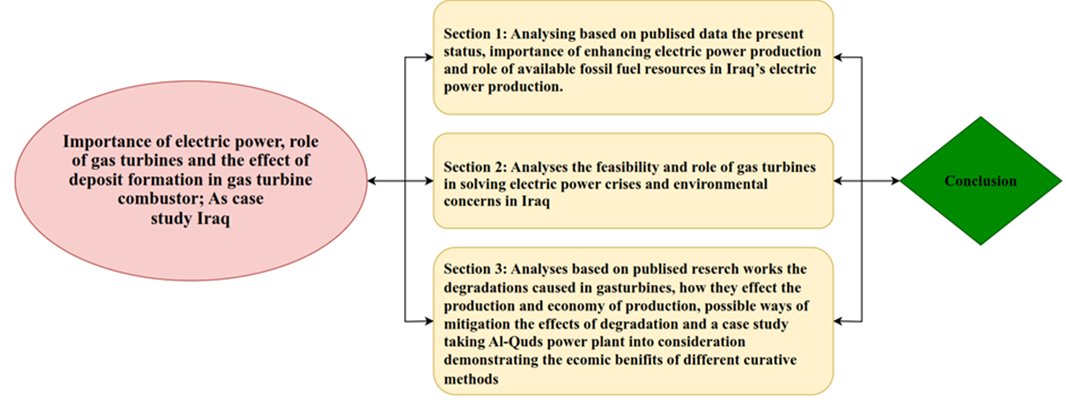
Fig. 1. Topics considered for finding a solution in the present study
3 Results and discussion
3.1 Present status, importance of enhancing electric power production, and role of available fossil fuel resources in Iraq’s electric power production
3.1.1 Electric power availability, usage, and demand in Iraq
Iraq’s economic, social, and infrastructural development is highly dependent on its energy sector, and thus it is playing a vital role in rebuilding the country after repeated wars. Figure 2 portrays a historic comparison between electric power demand, generation, imports, and per capita demand of Iraq with global and the Middle East region. It is evident from Figure 2 and as stated by Al-Khafaji [23] that the gap between the demand and production started in 2003. 2. Electric power generation, demand, and imports in Iraq
3.1.2 Electric power production and need to be enhanced in Iraq
In Iraq, even though there is continuous progress in the EP production, it is far below the growing demand of the population, industrial, and infrastructure development sectors. EP availability to the public in Iraq is location-dependent; in total, an average of 8 to 12 hours per day of EP is generally made available to its population, which is considered insufficient, taking into account the region’s climatic extremeness and harshness [24].
3.1.3 Fossil fuel resources and their importance in Iraq’s electric power sector
Iraq’s FFR forms the backbone of the country’s electrical power generation sector. Despite having a sufficient quantity of FFRs, Iraq is forced to import EP from Iran and Turkey at a higher cost [23], creating additional loads on its economy, which is trying to improve. Figure 3 provides a comparison of refinery capacity, output of petroleum products, oil demand by main petroleum products, crude oil exports, and the production, demand, and import of natural gas in Iraq with the whole of the Middle Eastern region. It is clear from Figure 3 that the refinery capacity is increasing in a way to match the demand for the various petroleum products.
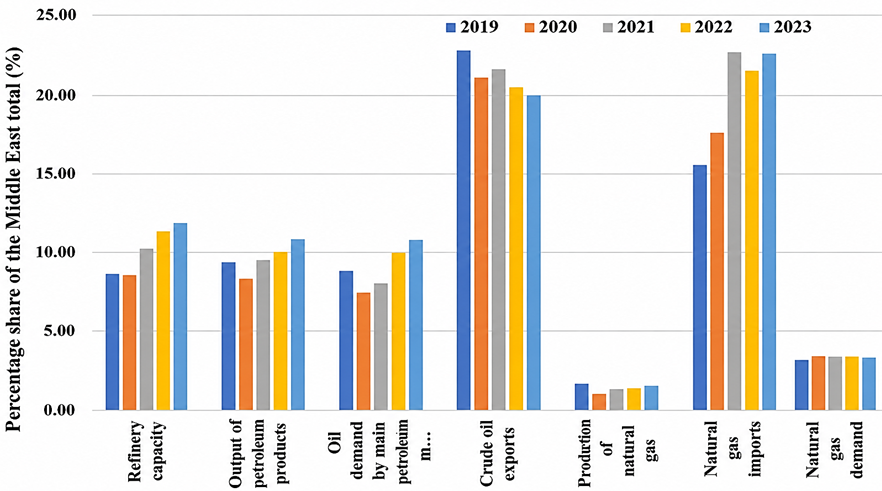
Fig. 3. Percentage comparison of refinery capacity, output, oil demand for main petroleum products, crude oil exports and production, demand, and import of natural gas of Iraq with that of the Middle Eastern region
In EP generation, fossil oil played a major role till 2007(Figure 4), after which natural gas started to take over, and by 2022, the contribution difference between fossil oil and natural gas was found to be 39.53%. This increased use of natural gas in the EP generation is not supported by the in-house production, and the country is relying on imports to meet its requirements (Figure 3). This finding of the present study was also supported by the findings of Woertz [25].
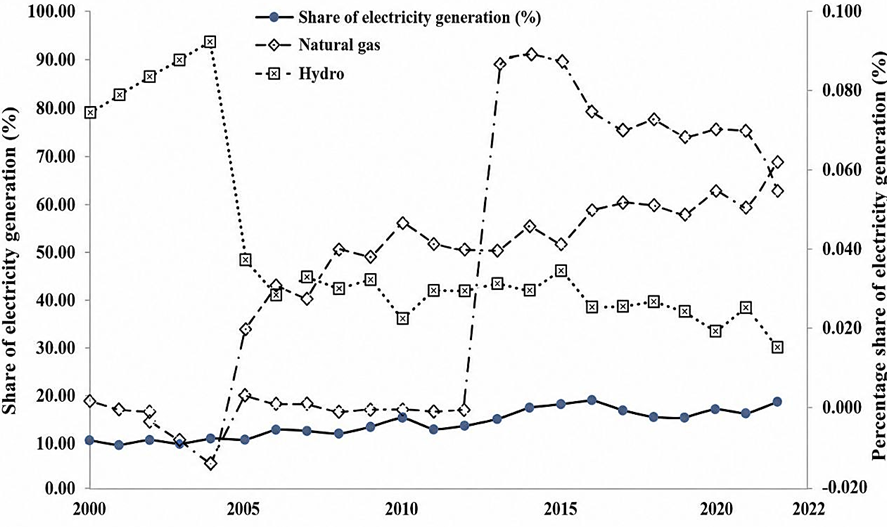
Fig. 4. Percentage Share of electricity production by source, Iraq
3.2 Feasibility and importance of gas turbines for electric power generation in Iraq
3.2.1 Natural gas sources and their importance to Iraq’s electric power sector
Iraq has a huge natural gas resource, enough to meet the national demand, but at present it is extracting less than 2.5% of its estimated reserve (Figure 5). Taking into consideration the present rate of use, the country has proven reserves which can last for more than 1000 years [26]. The difference between the local production available for use and the present demand has crossed 50%, indicating an urgent need to enhance in-house production. Statistics reveal that out of the total natural gas produced in the country, over 65% is being flared, as a major portion of the natural gas presently produced in Iraq is in the associated form [27]. To be precise, in terms of production, though Iraq holds the 54th position [28], it is the second largest after Russia in terms of flaring [29].
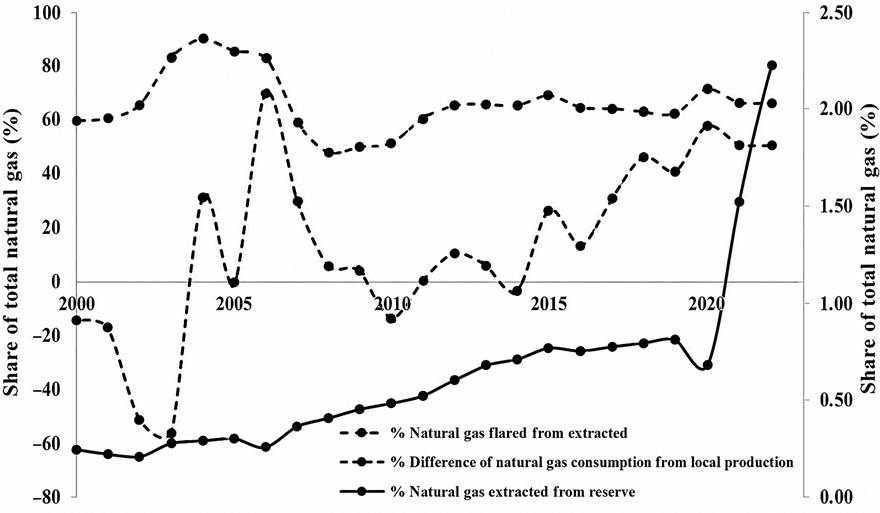
Fig. 5. Percentage of natural gas available, consumption, and flared in Iraq
3.2.2 Suitability of gas turbines for electric power generation in Iraq
Modern-day gas turbines are highly efficient [30], reliable, and have longer operating lives. Natural gas is a preferred fuel in gas turbines; in fact, it is taken as the reference fuel while comparing the performance of gas turbine engines [31]. Moreover, they have lower emissions than systems using other fossil fuel sources, making them more environmentally friendly [32]. In addition to this, the main water source (Tigris and Euphrates rivers) does not originate in the country, and their flow is diminishing every year [30], emphasizing the importance of reducing water usage, and modern gas turbines use less water than the other fossil fuel-based options available for EP generation [23].
3.2.3 Importance of supplying quality inputs to gas turbines
To achieve efficient, clean, and stable operation and longer operating life, it is essential to supply gas turbine combustors with air and fuel in the required quantity and quality [33]. The high operating temperature of gas turbines makes their components susceptible to damage from the contaminants present both in air and fuel [34]. The sustainability of gas turbine establishments of the present and future mainly relies on how far these two basic raw materials (Clean air and fuel) are being supplied, and is fully regionally dependent.
3.2.4 Importance of maintaining the quality of the air supplied
A study conducted by Attiya and Jones [35] found that a major portion (85.9%) of the dust in Iraq comprises finer particles such as clay and silt. In addition to the dust storms, activities of oil and energy production industries, other industries, transport vehicles, and POGUs emit pollutants such as carbon monoxide, carbon dioxide, NOx, SOx, suspended particles, polycyclic aromatic hydrocarbons, and heavy metals like Pb, Cr, Cu, Cd, Ni, Co, and Hg [36].
The production and use of gas turbines is rapidly increasing in the present era. Supplying a sufficient quantity of air of prescribed quality for optimal performance is a matter of concern in countries like Iraq, where the prevailing ambient condition is dusty, making filtration an unavoidable requirement [37], as gas turbines, during their operation, consume a large quantity of air [38], on average, 453.6 kg of air per day per horsepower (hp) of production. This implies that air with one part per million entering the gas turbine compressor will compound to an average of 2.25 kg/day of foreign material in a 5000 hp gas turbine unit [39]. Taking into consideration the dust particle sizes, sizes below 10 µm are a matter of concern as they are hard to filter out [40] and result in choking nozzles and fouling different parts of the gas turbine, reducing its performance and increasing maintenance costs. Unlike the aircraft engines, due to the use of filters in industrial gas turbines, fouling is more serious, as corrosion and erosion effects to a great extent can be controlled through proper inlet air filtration [41].
3.2.5 Importance of maintaining the quality of fuel supplied
Gas turbines can be operated using a wide variety of fuels, making them a versatile system for power generation globally. Though taking into consideration the effects on the environment caused by fossil fuel sources, researchers are working hard to find alternative options. A considerable time from the present will be dominated by the various fossil fuel sources, especially in Iraq [42,43]. Every fuel, based on its composition and properties, has its own effect on the operation and life of a gas turbine [33], especially the turbine section and the combustion system [44]. The widely used fuels in gas turbines for EP production can be broadly grouped as liquid (kerosene, diesel, crude oil, and heavy oil) and gaseous (natural gas, liquid natural gas, hydrogen, refinery gas, and synthesis gas) fuels [45]. Even though natural gas is considered the fuel of choice for gas turbines [44], Iraq, in spite of the negative effects, widely uses crude oil as it is very cheap. Based on the data obtained by Kadhim et al. [45], keeping the performance of the Al-Khairat gas turbine plant operating using natural gas as standard, Figure 6 compares the percentage variation in the performance of the same plant while operating using other fuels. It is evident from Figure 6 that the performance of natural gas as fuel is better than that of the other fuels considered, and the results of a similar study conducted by Basha et al [6] also displayed similar results. Further, based on the results discussed in sections 3.2 and 3.3, it could be considered that harnessing and using natural gas as fuel in gas turbines is more sustainable both from a proper utilization of the available resource and an environmental point of view [46].
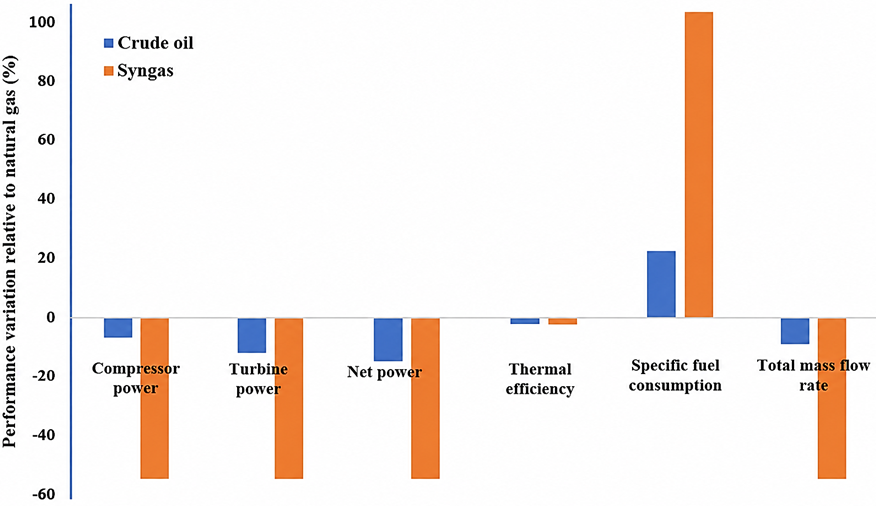
Fig. 6. Performance comparison of using crude oil and syngas with that of natural gas as fuel in the Al-Khairat gas turbine plant
The superior performance of natural gas can be explained by its higher hydrogen-to-carbon ratio. Natural gas produces fewer carbonaceous particles during combustion, thereby reducing soot formation and deposit accumulation inside the combustor. The reduction in deposit formation also improves heat transfer from the combustion gases to the working fluid while minimizing local hot spots on combustor liners, leading to higher combustion efficiency and improved turbine output.
3.3 Degradations and possible ways of mitigation in gas turbines used for EP generation
3.3.1 Degradations in gas turbines used for EP generation
The degradations caused in industrial gas turbines can be broadly classified as recoverable and non-recoverable ones, both having significant effects on the sustainability of the power plant in terms of production, maintenance requirements, and economics [49]. Recoverable ones are those that don’t need component replacement and can be reverted to a great extent through proper regular servicing [41]. Studies have found that the occurrence time interval of recoverable degradations is shorter and the frequency higher than that of non-recoverable ones [50]. Degradations in gas turbines cannot be completely avoided but can be either reduced or delayed [39]. The art of enhancing the operational life and economics of gas turbines is how far you can delay the occurrence of non-recoverable degradations [51,52]. This can be achieved by devising a practically feasible regular service and maintenance plan in a way to mitigate the effects caused by recoverable degradation and delaying the non-recoverable degradation to the maximum possible extent [53]. To achieve this, a better understanding of the causing agents, where and how they affect the various parts of the system, is essential. It is clear from the previous studies (as described in section 2) that the main agents, either directly or indirectly, responsible for both recoverable and non-recoverable degradation are the impurities present in the air and fuel supplied.
Further, if the recoverable degradations are not attended to on time may lead to degradations which are non-recoverable in nature [54–56]. To prolong the operating life of the gas turbine and prevent the transformation of recoverable degradation to non-recoverable degradation, it is highly essential to have a clear understanding of how recoverable degradations will give rise to non-recoverable degradations [57]. Figure 7 provides the details of recoverable degradations, non-recoverable degradations, and how recoverable degradations will give way to non-recoverable degradations in gas turbines.
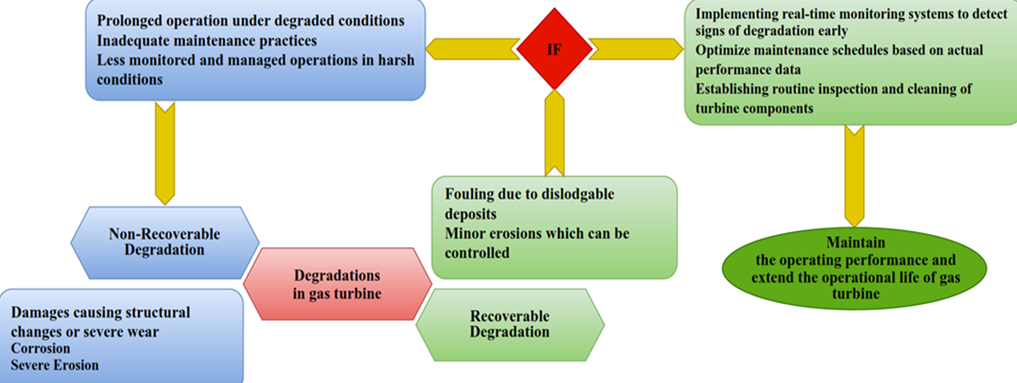
Fig. 7. How recoverable degradations will give way to non-recoverable degradation in gas turbines (Source: [57,61,62,89])
1.1.2 Depositions in gas turbine burners, their effects, and options for mitigation
Gas turbine burners, also known as combustors [58], play a vital role in mixing the fuel with the required quantity of air and ignition [59], eventually providing the needed shaft power to turn the generated electricity [9]. Accumulation of deposits in the burners affects the overall operating performance, efficiency, and operational life of gas turbines [38]. Studies have found that the primary zone of the combustor is more sensitive than the secondary and dilution zones [60], affecting the performance of gas turbines due to deposit formations on an average up to 5% and can go even more if not taken care on time [61,62], highlighting the need to study the type and nature of deposit formation and devising practically applicable service and maintenance procedures. Among the different types of combustors available, can, annular/tubular design and can-annular combustor designs [63] operating on either the conventional diffusion flame or lower exhaust emission producing lean pre-mix technology combustion systems are being widely used in modern land-based gas turbines throughout the world [34], with each system configuration having its own advantages and disadvantages based on the fuel used and the prevailing operating conditions [64,65]. Among all the available fossil fuels, natural gas is considered as an ideal fuel source land-based gas turbines used for power generation [66], it can also be taken as the ideal source for electric power generation in Iraq considering its abundant natural gas reserve and the lower environmental effects of gas turbines operating using natural gas when compared with the other fossil fuel options makes it a better environmentally friendly option [67]. Though natural gas is considered a cleaner fuel, the presence of deposits causing impurities cannot be ruled out, as the quality and composition of natural gas are not constant and they change with time and location [68]. Figure 8 details the standard composition of natural gas and the impurities present, their effects, and the strategies that can be adopted to mitigate their impact on the combustor of the gas turbine.
It is clear from the studies cited in section 2 that the quality of air and fuel supplied is the main determining factors that govern the type and extent of deposits formed in the combustors. Further, Figure 8 clarifies the fact that reducing gas turbine maintenance, environmental effects, and enhancing its durability depends on how far the production and thereby deposition of nongaseous combustion products, such as carbonaceous deposits, coke, soot, particulates, etc., are being reduced in the combustion chamber.
Accumulation of carbon deposits inside the combustion chamber will affect the characteristics of the fuel spray produced by the nozzles, affecting the combustion stability and efficiency, resulting in hot spots that can damage the guide vanes of the turbine inlet section [48]. Ceramic coatings are provided along the hot gas path in modern gas turbines as a means to protect the structural components, but the entry of dust, sand, and ash particles (mainly through the inlet air supplied) causes silicate deposits, which in turn accelerate their degradation [69]. Ash produced in the combustor is another important problem in the gas turbine. The major factors associated with ash produced in the combustor are the presence of vanadium and sodium [60]. Further, the ash deposits will cause obstructions in fuel gas channels, causing disruptions in flame profile, affecting the combustion efficiency of the gas turbine [70]. The higher temperature in the combustor can lead to the fusion of particles and their adherence to surfaces, causing erosion, nozzle coking, and sometimes non-recoverable mechanical damage, which in turn can induce fatigue problems and vibratory stresses severely affecting its stable operation [71].
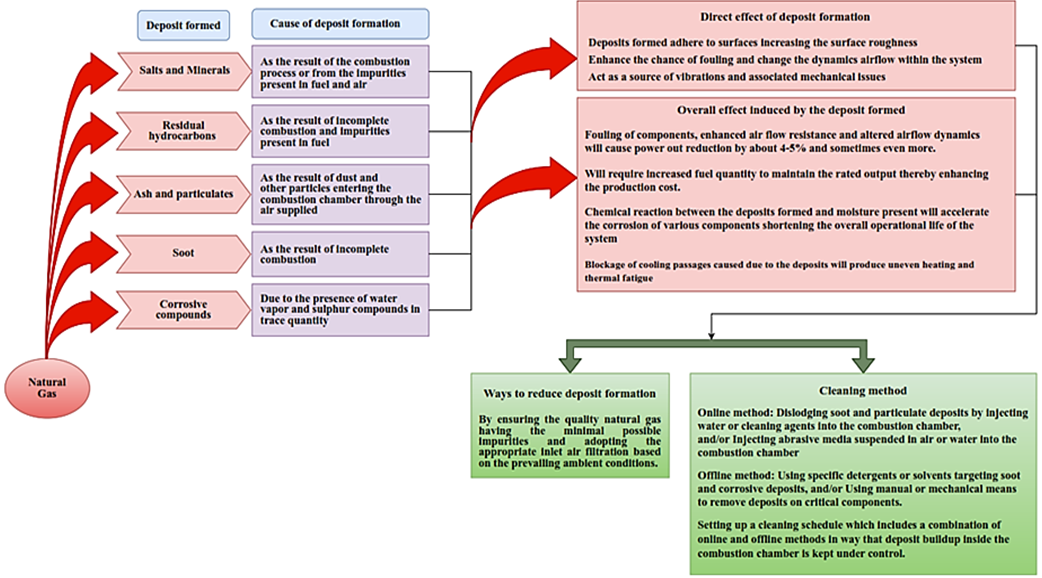
Fig. 8 Deposits formed, their effects on the gas turbine, and options for reduction and mitigation of effects (source: [38,52,54,55,71,77])
The most common degradation caused by the particle entering the gas turbine through the inlet air supplied is erosion, fouling, and corrosion [72]. Among these, erosion and fouling are mainly influenced by the size of the particles and corrosion by the chemical reactivity of the materials entering the combustion chamber [37,72]. Particles of sizes 10≤ μm are responsible for erosion, while particles in the range between 2 and 10 μm cause fouling. Corrosion in gas turbines is grouped into two types (cold and hot corrosion), out of which hot corrosion (which occurs above 8840 °C) affects the combustion system. The factors that influence hot corrosion are the presence of sulphur, potassium, Vanadium, lead, and salts entering the combustor either through the air or fuel [71]. Corrosion caused by salts and sulphur is common, with its source being either from fuel, inlet air, or water if injected, while corrosion caused by potassium is very rare, with its only possible source being the fuel supplied [72]. It is a fact that a major amount of sulphur entering the combustor is converted to either SO2 or SO3, and some is converted to H2S [60], leading to sulphurisation, shortening the operational life of the gas turbine [73,74]. The presence of vanadium and lead in fuels results in the formation of vanadium oxides and lead slag, which destroy the protective oxide layer, enhancing surface corrosion [71].
Corrosion, being a non-reversible degradation, the only possibility to regain the full performance on the gas turbine is to replace the corroded parts [40,75], but erosion, fouling, and corrosion can be controlled to a great extent by properly filtering the inlet air and fouling effects reversed by performing a cleaning and washing process [38,41]. About the method of washing, studies have found that though the online method is cost-effective but is effective only in the first few stages and does not return the gas turbine to the same performance level as the offline method [76].
Figure 9 shows that the influence of fuel impurities extends beyond simple contamination. During combustion, contaminants such as sulfur compounds, alkali metals, and silica undergo chemical and physical transformations at high temperatures. Sulfur-containing compounds, particularly hydrogen sulfide (H₂S), are oxidized into sulfur oxides (SO₂ and SO₃), which subsequently react with metallic surfaces and protective oxide layers, accelerating high-temperature corrosion. Likewise, sodium and potassium compounds reduce the melting temperature of ash particles, promoting molten deposit formation and stronger adhesion to combustor surfaces. These deposits increase surface roughness, disturb the local airflow, reduce effective cooling, and accelerate component degradation.
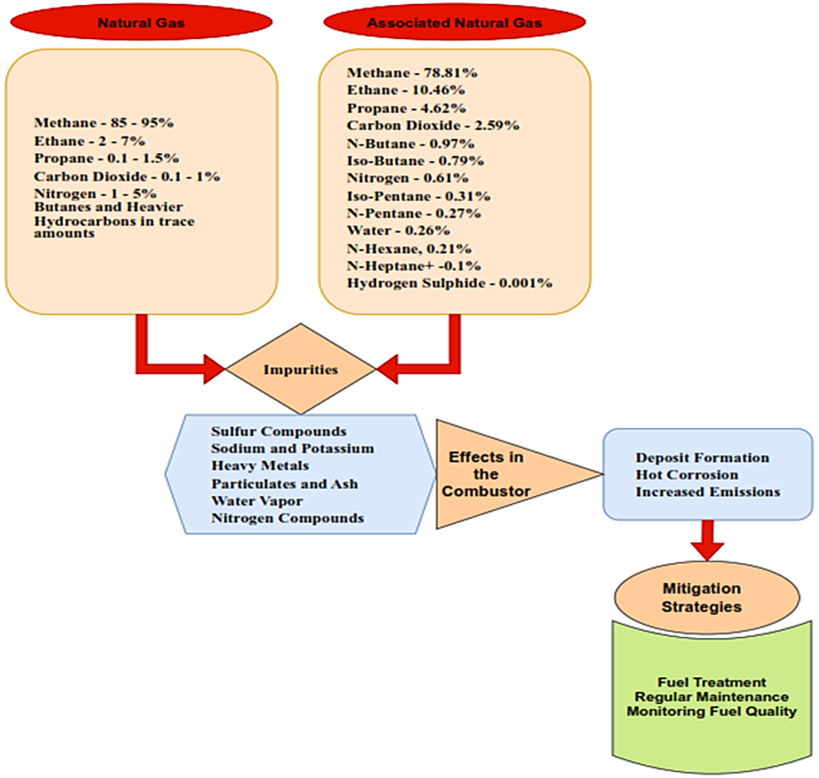
Fig. 9 Composition of natural gas, impurities present, effects of impurities on the combustor, and mitigation strategies (Source: [68])
3.3.2 Curative strategies adopted for deposits formed in the gas turbine combustion chamber and their economics
In general, the widely practiced curative methods for deposits formed in the combustion chamber of the gas turbines to regenerate their performance can be broadly classified as online, offline, and manual methods [38,52,54,55,71,77]. The characteristics of these methods are detailed in Figure 10. The effectiveness of each cleaning method is closely associated with the physical characteristics of the deposited particles. Fresh and loosely attached deposits can generally be removed by online washing due to their relatively weak adhesion forces. However, long-term exposure to elevated temperatures promotes sintering and chemical bonding between deposits and metal surfaces, significantly increasing adhesion strength. Consequently, offline and manual cleaning become necessary to restore the original flow passage geometry and recover aerodynamic performance.
It is clear from Figure 10 that a gas turbine project cannot fully rely on one method, and thus an optimized integration of the three methods is essential for reliability of operation, maintaining maximized production, extended operational life, and reduced maintenance in a way to operate the project in an economically feasible way [78]. To demonstrate the economics involved in the curative methods on deposits formed in the combustion chamber of the gas turbines, the Al-Quds power plant located on the northern border of Baghdad, the capital city [79], was taken for the case study. Abd and Amer [80] report that the plant has a total of 14 gas turbines in operation, out of which four are LM6000 gas turbines, each producing 44 MW, and the remaining 10 are Frame 9E GT, each producing 110 MW of power. For the present analysis, four Frame 9E GT gas turbines producing a total power of 440 MW were taken into consideration. The Frame 9E GT gas turbine model has a single shaft configuration rotating at 3000 rpm, with 14 combustors and nozzles, and has an efficiency of 34%. The economic aspects considered, along with the assumptions in the analysis, are described in Figure 11.
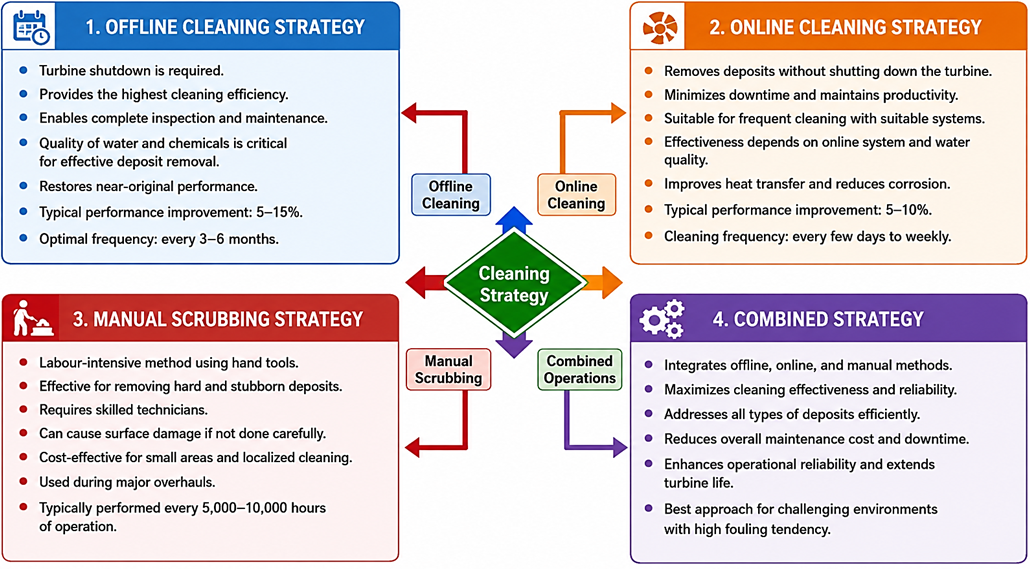
Fig. 10 Comparison of different strategies adopted for cleaning gas turbine burners (source: [38,52,54,55,71,77])
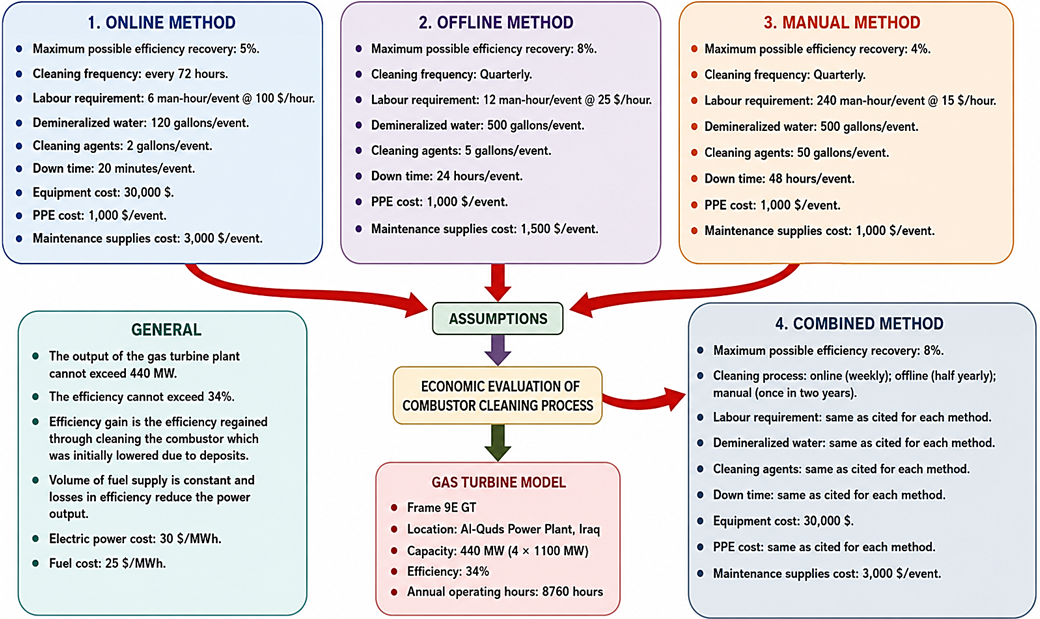
Fig. 11 Economic aspects and assumptions adopted in the case study
As electric power generated from the Al-Quds power plant is used for both residential and commercial use, the average (0.0305 per kWh) was used for the calculation. Generally, the natural gas fuel cost required for producing one MWh of electric power using gas turbines ranges 30-70$[82].
The assumptions for efficiency gain for each cleaning method were based on data provided by previous studies considered in this study, and as a conclusion, a fixed value could not be made. Economic analysis was done for a range of values within the assumed maximum value. It was estimated that online washing performed in a frequency interval ranging between 3 and 7 days can result in an average maximum efficiency gain of 5%, and thus, an economic analysis for 0.5. 1, 1.5, 2, 2.5, 3, 3.5, 4, 4.5, and 5% efficiency gains were considered. Though theoretically, the online method does not affect the operation and production of the gas turbine, [86] suggests the possibility of minimum downtime. Generally, online washing methods require two technicians for operating the equipment and one for monitoring the cleaning process. The total operation, including setting up, cleaning, and rinsing, usually requires 1-2 hours per cleaning event [77,87,88]; thus, taking into consideration the possibility of downtime, the present study considered 20 minutes of downtime per washing event. Similarly, the present study took into consideration that the offline washing method was performed quarterly, with each operation lasting for a period of 24 hours using three skilled workers. Though some studies have highlighted the fact that the offline method can produce efficiency gains above 10%, to be on the safer side, the present study assumes the maximum possible efficiency gain when practicing the offline method alone as 8%. Thus, the economic evaluation was done for 1, 2, 3, 4, 5, 6, 7, and 8% efficiency gains. The manual cleaning method is generally considered the least preferred option due to its higher labour and downtime requirements and lower efficiency gain. But it has its own benefits too, as described in Figure 10. The present analysis assumed that the manual cleaning process is performed quarterly, and the maximum possible efficiency gain is 4%. The economic evaluation was calculated for 1, 1.5, 2, 2.5, 3, 3.5, and 4% efficiency gains.
Further, it is also clear from Figure 10 that the three basic cleaning methods (online, offline, and manual cleaning methods), when performed alone, do not provide a complete solution, as the solution for the ineffective component of one method is provided by the other method. This comes to a solution that an optimal integration of the three basic methods can form a better solution for maintaining the required output and economically providing long operational life [78]. Taking this into consideration, the present study also analyses the integration of the three basic methods, termed the combined method in Figure 11. The present study assumes a maximum efficiency gain of 8% and carried out an economic evaluation for 1, 2, 3, 4, 5, 6, 7, and 8% efficiency gains.
Figures 12 to 14, respectively, present the comparison of payback period required, return obtained on investment, and the net present value on different efficiency gains for different cleaning methods considered in the present study. It was clear from the analysis that as the efficiency gain increased, the payback period required decreased, the percentage of return obtained on investment, and the net present value increased for all the cleaning methods considered in the present study.
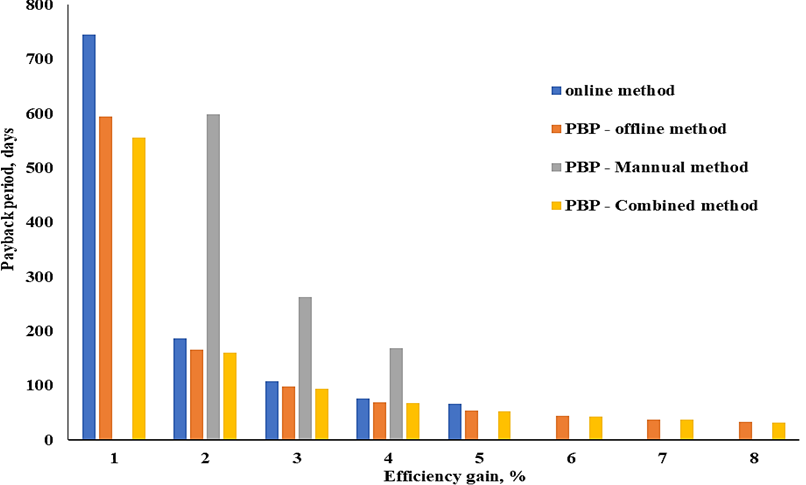
Fig. 12 Payback period required for different efficiency gains for different cleaning methods
The observed reduction in payback period with increasing efficiency gain is physically associated with the increase in useful work extracted from the same fuel input. Removal of deposits restores compressor and combustor performance, allowing a larger mass flow rate and improved combustion efficiency. Consequently, more electrical energy is generated without proportional increases in fuel consumption, resulting in faster recovery of the maintenance investment.
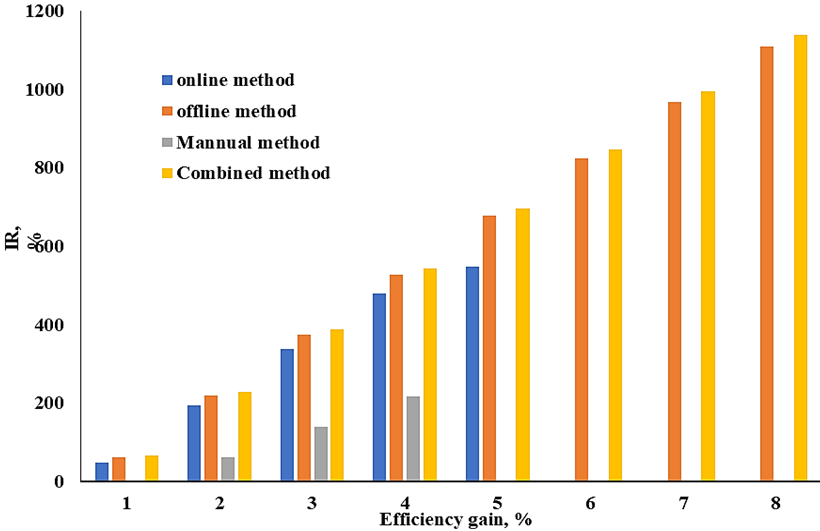
Fig. 13 Percentage of return obtained on investment on different efficiency gains for different cleaning methods
The continuous increase in return on investment reflects the nonlinear relationship between turbine efficiency and electricity production. Even a small improvement in thermal efficiency significantly increases annual energy generation because industrial gas turbines operate continuously over extended periods. Therefore, relatively modest efficiency improvements translate into substantial long-term economic benefits.
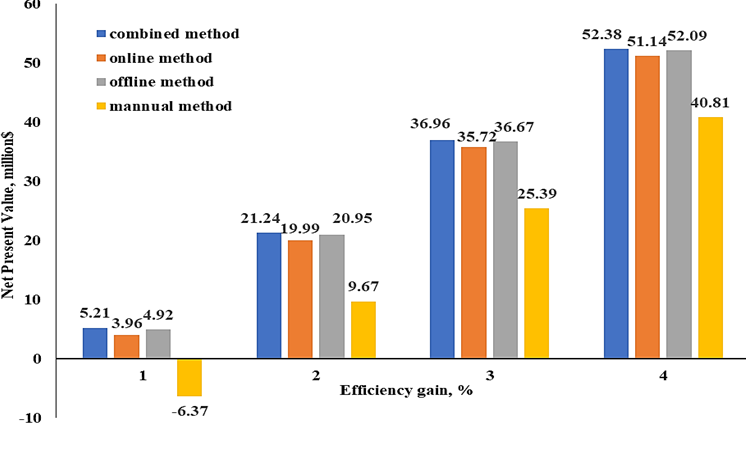
Fig. 14 Net present value on different efficiency gains for different cleaning methods
Practically, the increase in net present value demonstrates that the economic benefit obtained from restoring gas turbine performance exceeds the maintenance expenditure over the project lifetime. Regarding the payback period required, the combined method showed lower payback period requirements, followed by online, offline, and manual methods. All other cleaning methods displayed a nominal payback period requirement, even for a 0.5% efficiency gain, apart from the manual method. The minimum efficiency gain required for the manual method to have an assured payback was found to be 1.24%, with a payback period of 172.88 years. Further, the net present value (figure 13) has been consistently very low and started gaining a positive value from the efficiency gain of 2%, indicating it is not an economically viable option when practiced alone. Though the online method closely followed the combined method for all efficiency gains considered on payback period requirements, percentage of return obtained on investment, and the net present value, as per the studies conducted so far, it is clear that the online method is not effective in handling adherent deposits, which can be common in conditions prevailing in Iraq. Thus, the optimal integration of the three basic cleaning methods (combined method) can be considered as the most viable option, taking into consideration the economics and operational life of the gas turbine. Ogbonnaya [78] also arrived at a similar conclusion that the combined method is more effective in cleaning compressors of GTEPGs.
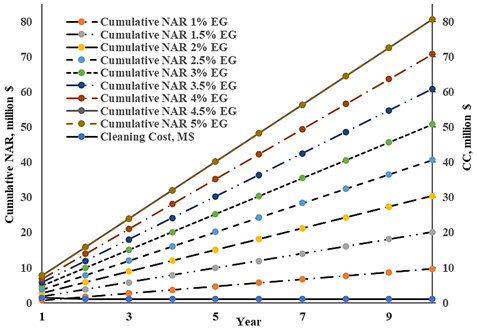
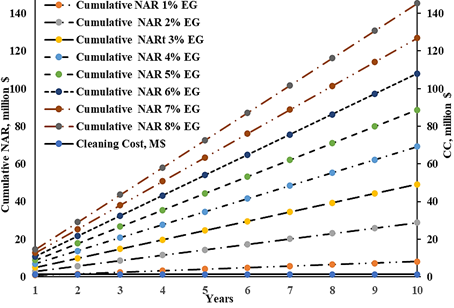
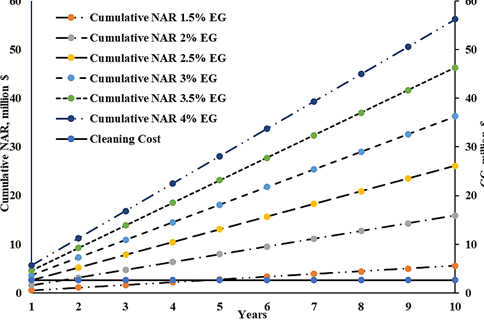 |
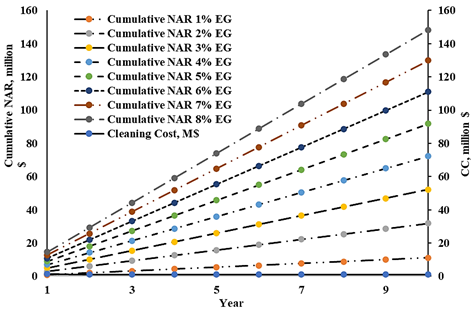 |
| Fig. 17 Cumulative net additional revenue obtained different efficiency gains for manual cleaning methods | Fig. 18 Cumulative net additional revenue obtained on different efficiency gains for combined cleaning methods |
The diminishing increase in cumulative revenue observed at higher efficiency gains indicates that gas turbine performance recovery follows an asymptotic trend. Initially, removal of deposits restores a large portion of the aerodynamic and combustion losses. However, as the turbine approaches its design operating condition, further cleaning yields progressively smaller improvements because most recoverable losses have already been eliminated. This behavior is consistent with the physics of fouling recovery reported in industrial gas turbine performance studies.
Figures 15 to 18 display the cumulative net additional revenue obtained for a period of 10 years, respectively, for online, offline, manual, and combined cleaning methods. It is clear from the figures that there is a huge benefit for each percentage efficiency gain, highlighting the importance in terms of economy of operating the gas turbine at the maximum possible efficiency. Analyzing the economic benefits for every consecutive efficiency gain, it was found that all the cleaning methods showed a similar trend of diminishing returns (e.g., the online method showed an increment of 2.08, 2.04, 2, and 0.98 million $ increment in economic return between efficiency gains from 1-2%, 2-3%, 3.4%, and 4-5%). This indicates the fact that the gas turbine should not be allowed for a larger efficiency drop between cleaning intervals.
4 Conclusion
The conclusions derived from this study are presented below.
- Iraq is still short of power production to satisfy the growing demand, though it has a rich fossil fuel reserve. The per capita demand for EP is respectively less by 44.98% and 24.93% when compared with the Middle East and global averages, which forms the cause of the lower and slower development process when compared with the other faster-developing Middle Eastern regions. The good sign is that the country is trying to cope with the demand through steady advancements in EP production, but it still has a very long way to go.
- Iraq has a huge natural gas reserve that can last for more than 1000 years based on the present rate of extraction. Statistics reveal that over 65% of the natural gas extracted is being flared, as a major portion of the natural gas presently produced in Iraq is in the associated form. Iraq is the second largest after Russia in terms of flaring; thus, if used effectively, flaring can benefit the country economically as gaseous fuel costs 90% less than liquid fuels and will have more environmental benefits by saving a minimum of fifty million tonnes of CO2 annually.
- As natural gas is considered the ideal fuel for gas turbines and has lower emissions than other fossil fuel sources, it is a more environmentally friendly option for EP production. In fact, presently, natural gas shares a major share in Iraq’s EP production, but the concern is its lower production efficiency.
- To have efficient, stable operation and longer operating life, it is highly essential to supply GTEPGs with good-quality air and fuel in the required quantity. Moreover, it is important to maintain the GTEPGs operating at the highest possible efficiency through properly scheduled maintenance, controlling the unavoidable deposit formations.
- The present study confirms that the deterioration by deposit formation is fundamentally governed by changes in combustion physics, particle transport, heat transfer, and fluid flow inside the combustor. Therefore, maintaining clean combustion passages not only improves turbine efficiency but also reduces thermal stresses, corrosion, and pressure losses, ultimately extending the operational life of gas turbine components.
- Online, offline, and manual cleaning methods are being widely practiced as curative methods for deposits formed in the combustion chamber. It was found that practicing any one of these methods at predefined intervals cannot form a complete solution. Further, the case study conducted on four Frame 9E GT gas turbines producing a total power of 440 MW in the Al-Quds power plant found that optimally integrating online, offline, and manual cleaning methods is more beneficial in terms of economy, taking into consideration the payback period required, return obtained on investment, and the net present value of different efficiency gains.
Acknowledgements
The authors express gratitude to the expert panel who contributed to this study, as well as to the editors and anonymous reviewers for their valuable comments that enhanced the overall quality of this paper.
References
- Fernandez, P. D. A., Foliaco, B., Padilla, R. V., Bula, A., & Gonzalez-Quiroga, A. (2021). High ambient temperature effects on the performance of a gas turbine-based cogeneration system with supplementary fire in a tropical climate. Case Studies in Thermal Engineering, 26, 101206. https://doi.org/10.1016/j.csite.2021.101206
- Bashir, M. F., Sadiq, M., Talbi, B., Shahzad, L., & Bashir, M. A. (2022). An outlook on the development of renewable energy, policy measures to reshape the current energy mix, and how to achieve sustainable economic growth in the post COVID-19 era. Environmental Science and Pollution Research, 29(29), 43636–43647. https://doi.org/10.1007/s11356-022-20010-w
- Nieuwlaar, E. (2013). Life cycle assessment and energy systems. In Reference Module in Earth Systems and Environmental Sciences. Elsevier. https://doi.org/10.1016/B978-0-12-409548-9.01334-8
- Barakat, S., Ramzy, A., Hamed, A. M., & El-Emam, S. H. (2019). Augmentation of gas turbine performance using integrated EAHE and fogging inlet air cooling system. Energy, 189, 116133. https://doi.org/10.1016/j.energy.2019.116133
- Lee, J. J., Kang, D. W., & Kim, T. S. (2011). Development of a gas turbine performance analysis program and its application. Energy, 36(8), 5274–5285. https://doi.org/10.1016/j.energy.2011.06.033
- Basha, M., Shaahid, S. M., & Al-Hadhrami, L. (2012). Impact of fuels on performance and efficiency of gas turbine power plants. Energy Procedia, 14, 558–565. https://doi.org/10.1016/j.egypro.2011.12.1002
- Burnes, D., & Camou, A. (2019). Impact of fuel composition on gas turbine engine performance. Journal of Engineering for Gas Turbines and Power, 141(10). https://doi.org/10.1115/1.4044238
- Velichko, E. I., Bunyakin, A. V., & Muzykantova, A. V. (2021). Analysis of possible operational defects in and damages to the gas turbine drives of gas pumping units and techniques for their diagnostics. IOP Conference Series: Earth and Environmental Science, 666(2), 022066. https://doi.org/10.1088/1755-1315/666/2/022066
- Walachowicz, F., Bernsdorf, I., Papenfuss, U., Zeller, C., Graichen, A., Navrotsky, V., et al. (2017). Comparative energy, resource, and recycling lifecycle analysis of the industrial repair process of gas turbine burners using conventional machining and additive manufacturing. Journal of Industrial Ecology. https://doi.org/10.1111/jiec.12637
- Correa, S. M., Dean, A. J., & Hu, I. Z. (1996). Combustion technology for low-emissions gas turbines: Selected phenomena beyond NOx. Journal of Energy Resources Technology, 118(3), 193–200. https://doi.org/10.1115/1.2793862
- Suman, A., Casari, N., Fabbri, E., Pinelli, M., Di Mare, L., & Montomoli, F. (2019). Gas turbine fouling tests: Review, critical analysis, and particle impact behavior map. Journal of Engineering for Gas Turbines and Power, 141(3). https://doi.org/10.1115/1.4041282
- Wenglarz, R. A., & Fox, R. G. J. (1990). Chemical aspects of deposition/corrosion from coal-water fuels under gas turbine conditions. Journal of Engineering for Gas Turbines and Power, 112(1), 1–8.
- Ai, W., Murray, N., Fletcher, T. H., Harding, S., Lewis, S., & Bons, J. P. (2012). Deposition near film cooling holes on a high-pressure turbine vane. Journal of Turbomachinery, 134(4), 041013. https://doi.org/10.1115/1.4005392
- Brandauer, M., Schulz, A., & Wittig, S. (1996). Mechanisms of coke formation in gas turbine combustion chambers. Journal of Engineering for Gas Turbines and Power, 118(2), 265–270. https://doi.org/10.1115/1.2816965
- Bons, J. P. (2002). St and Cf augmentation for real turbine roughness with elevated freestream turbulence. Journal of Turbomachinery, 124(4), 632–644. https://doi.org/10.1115/1.1504060
- Ghenaiet, A., Elder, R. L., & Tan, S. C. (2001). Particles and trajectories through an axial fan and performance degradation due to sand ingestion (ASME Paper No. 2001-GT-497). American Society of Mechanical Engineers. https://doi.org/10.1115/2001-GT-0497
- Gandham, H., Dasari, H. P., Langodan, S., Karumuri, R. K., & Hoteit, I. (2020). Major changes in extreme dust event dynamics over the Arabian Peninsula during 2003–2017 driven by atmospheric conditions. Journal of Geophysical Research: Atmospheres, 125(24), e2020JD032931. https://doi.org/10.1029/2020JD032931
- Parolari, A. J., Li, D., Bou-Zeid, E., Katul, G. G., & Assouline, S. (2016). Climate, not conflict, explains extreme Middle East dust storm. Environmental Research Letters, 11(11), 114013. https://doi.org/10.1088/1748-9326/11/11/114013
- Geigle, K. P., Zerbs, J., Köhler, M., Stöhr, M., & Meier, W. (2011). Experimental analysis of soot formation and oxidation in a gas turbine model combustor using laser diagnostics. Journal of Engineering for Gas Turbines and Power, 133(12), 121503. https://doi.org/10.1115/1.4004154
- Slavinskaya, N. A., & Frank, P. (2009). A modeling study of aromatic soot precursors in laminar methane and ethene flames. Combustion and Flame, 156(9), 1705–1722. https://doi.org/10.1016/j.combustflame.2009.04.007
- International Energy Agency. (2024). Statistics report. International Energy Agency. https://www.iea.org/data-and-statistics
- EMBER. (2024). Ember data. https://ember-energy.org/data/
- Al-Khafaji, H. (2018). Electricity generation in Iraq: Problems and solutions. Al-Bayan Center for Planning and Studies. https://www.bayancenter.org/en/wp-content/uploads/2018/09/786543454657687.pdf
- Badescu, V., Aboaltabooq, M. H. K., Pop, H., Apostol, V., Prisecaru, M., Prisecaru, T., & Ciocanea, A. (2023). Potential for energy recovery from internal combustion engines driving electrical generators in Iraqi cities. Energy Sources, Part A: Recovery, Utilization, and Environmental Effects, 45(2), 3421–3437. https://doi.org/10.1080/15567036.2019.1668500
- Woertz, E. (2023). Iraq 20 years after the US invasion: Challenges and continuity (GIGA Focus No. 1). German Institute for Global and Area Studies. https://nbn-resolving.org/urn:nbn:de:0168-ssoar-86041-7
- Semenova, T., & Al-Dirawi, A. (2022). Economic development of the Iraqi gas sector in conjunction with the oil industry. Energies, 15(3), 1150. https://doi.org/10.3390/en15031150
- Nafea, Y., & Al-Yasiri, A. J. J. (2024). The natural gas industry in Iraq and its future prospects. Al-Ghary Journal of Economic and Administrative Sciences, 20(2), 1–14.
- Verdict Media Limited. (2024). Iraq's natural gas production: Data and insights. Offshore Technology. https://www.offshore-technology.com/data-insights/iraq-natural-gas-production/
- Al-Rubaye, A. H., Jasim, D. J., Jassam, S. A., Jasim, H. M., Ameen, H. F. M., & Khoshnaw, F. A. (2023). Associated petroleum gas: Environmental, utilization, and economic rationale. IOP Conference Series: Earth and Environmental Science, 1262(2), 022026. https://doi.org/10.1088/1755-1315/1262/2/022026
- Al-Ansari, N., Adamo, N., Hachem, A. H., Sissakian, V., Laue, J., & Abed, S. A. (2023). Causes of water resources scarcity in Iraq and possible solutions. Engineering, 15(9), 467–496.
- Madhlopa, A. (2018). Gas turbine fuels and fuel systems. In A. Madhlopa (Ed.), Principles of solar gas turbines for electricity generation (pp. 27–49). Springer. https://doi.org/10.1007/978-3-319-68388-1_2
- de Llano-Paz, F., Martínez Fernández, P., & Soares, I. (2016). Addressing the 2030 EU policy framework for energy and climate: Cost, risk, and energy security issues. Energy, 115, 1347–1360. https://doi.org/10.1016/j.energy.2016.11.046
- Welch, M., Igoe, B. M., & Wilson, D. (2016). Combustion, fuels, and emissions for industrial gas turbines. In Asia Turbomachinery and Pump Symposium. Turbomachinery Laboratory, Texas A&M Engineering Experiment Station.
- Welch, M., & Igoe, B. (2015). An introduction to combustion, fuels, emissions, fuel contamination, and storage for industrial gas turbines. In Proceedings of the ASME Turbo Expo 2015: Turbine Technical Conference and Exposition. American Society of Mechanical Engineers. https://doi.org/10.1115/GT2015-42090
- Attiya, A. A., & Jones, B. G. (2020). Assessment of mineralogical and chemical properties of airborne dust in Iraq. SN Applied Sciences, 2, 1614. https://doi.org/10.1007/s42452-020-03326-5
- Salman, N. A., Al-Mishrey, M. K., Al-Saad, H. T., & Rushdi, A. (2024). Air pollution in the southern part of Iraq and its health risks. In S. Gautam, R. P. Kumar, & C. Samuel (Eds.), Aerosol optical depth and precipitation: Measuring particle concentration, health risks and environmental impacts (pp. 107–122). Springer Nature. https://doi.org/10.1007/978-3-031-55836-8_6
- Auda, S. A., & Ali, O. M. (2023). Effect of operating conditions and air filter maintenance on the performance and efficiency of gas turbine power plant. Materials Today: Proceedings. https://doi.org/10.1016/j.matpr.2023.02.395
- Kurz, R., Meher-Homji, C., Brun, K., Moore, J. J., & Gonzalez, F. (2013). Gas turbine performance and maintenance. Turbomachinery Laboratory, Texas A&M Engineering Experiment Station.
- Alnasur, F. S., Hussain, L. E., Hamza, N. A. A., & Al-Furaiji, M. A. (2026). Evaluate the impact of the Al Mussaib electrical thermal power plant's operating on the characteristics of the water in Iraq's Euphrates River. AIP Conference Proceedings, 3408(1), 070018. https://doi.org/10.1063/5.0278042
- Kurz, R., & Brun, K. (2007). Gas turbine tutorial—Maintenance and operating practices effects on degradation and life. In Proceedings of the 36th Turbomachinery Symposium (pp. 173–186). Texas A&M Engineering Experiment Station.
- Burnes, D., & Kurz, R. (2018). Performance degradation effects in modern industrial gas turbines. In Proceedings of the Global Power and Propulsion Forum 2018. Global Power and Propulsion Society. https://doi.org/10.33737/gpps18-bj-0019
- Alaabidy, W. H. S., Al-Rubaiawi, M. S. S., Chertousov, M. A., & Frolov, M. (2023). Gas turbine suitable for the ambient conditions prevailing in Arab Gulf countries—A prognostic analysis. Journal of Applied Engineering Science, 21(4), 982–998. https://doi.org/10.5937/jaes0-45575
- Alaabidy, W. H. S., Al-Rubaiawi, M. S. S., Chertousov, M. A., & Frolova, M. Y. (2024). Analysing the feasibility of adopting gas turbine technology for electric power generation in Iraq. RUDN Journal of Engineering Research, 25(1), 86–104. https://doi.org/10.22363/2312-8143-2024-25-1-86-104
- Elliott, F. G., Kurz, R., Etheridge, C., & O'Connell, J. P. (2004). Fuel system suitability considerations for industrial gas turbines. Journal of Engineering for Gas Turbines and Power, 126(1), 119–126. https://doi.org/10.1115/1.1619424
- Kadhim, H. J., Kadhim, T. J., & Alhwayzee, M. H. (2020). A comparative study of the performance of Al-Khairat gas turbine power plant for different types of fuel. IOP Conference Series: Materials Science and Engineering, 671, 012015. https://doi.org/10.1088/1757-899X/671/1/012015
- GE Vernova. (2023). A solution to reduce CO₂ emissions: Capturing flared gas for use in GE Vernova's aeroderivative gas turbines [White paper]. GE Vernova.
- Enyia, J. D. (2016). Gas turbine performance enhancement through fault diagnostics and compressor cleaning [Doctoral dissertation, Cranfield University]. Cranfield University Repository.
- Pucher, G., Allan, W., & Poitras, P. (2013). Characteristics of deposits in gas turbine combustion chambers using synthetic and conventional jet fuels. Journal of Engineering for Gas Turbines and Power, 135(7), 071502. https://doi.org/10.1115/1.4023753
- Hepperle, N., Therkorn, D., Schneider, E., & Staudacher, S. (2011). Assessment of gas turbine and combined cycle power plant performance degradation. In Proceedings of ASME Turbo Expo 2011 (Paper GT2011-45375). American Society of Mechanical Engineers. https://doi.org/10.1115/GT2011-45375
- Hanachi, H., Liu, J., Banerjee, A., Chen, Y., & Koul, A. (2014). A physics-based performance indicator for gas turbine engines under variable operating conditions (ASME Paper No. GT2014-26367). In Proceedings of ASME Turbo Expo 2014. American Society of Mechanical Engineers. https://doi.org/10.1115/GT2014-26367
- Hanachi, H., Banerjee, A., Koul, A., & Chen, Y. (2016). Gas turbine engine performance estimation and prediction (Report No. DRDC-RDDC-2016-R034). Defence Research and Development Canada & Carleton University.
- Bechini, G. (2012). Performance diagnostics and measurement selection for on-line monitoring of gas turbine engines [Doctoral dissertation, Cranfield University]. Cranfield University Repository.
- Asnawi, K. F. B. A., & Lemma, T. A. (2020). Analysis of the impact of degradation on gas turbine performance using the support vector machine (SVM) method. In P. Rajendran et al. (Eds.), Proceedings of the International Conference of Aerospace and Mechanical Engineering 2019 (pp. 441–451). Springer. https://doi.org/10.1007/978-981-15-4756-0_37
- Kurz, R., Brun, K., & Winkelmann, B. (2020). Turbo Tut: Performance of industrial gas turbines. Turbomachinery Laboratory, Texas A&M Engineering Experiment Station.
- Kurz, R., Brun, K., & Winkelmann, B. (2021). T13: Performance of industrial gas turbines. Turbomachinery Laboratory, Texas A&M Engineering Experiment Station.
- Kurz, R., & Brun, K. (2016). Gas turbine performance. Turbomachinery Laboratory, Texas A&M Engineering Experiment Station.
- Kurz, R., & Brun, K. (2001). Degradation in gas turbine systems. Journal of Engineering for Gas Turbines and Power, 123(1), 70–77. https://doi.org/10.1115/1.1340629
- Haque, M. A., Nemitallah, M. A., Abdelhafez, A., Mansir, I. B., & Habib, M. A. (2020). Review of fuel/oxidizer-flexible combustion in gas turbines. Energy & Fuels, 34(9), 10459–10485. https://doi.org/10.1021/acs.energyfuels.0c02097
- Abdelhafez, A., Hussain, M., Nemitallah, M. A., Habib, M. A., & Ali, A. (2021). Effects of jet diameter and spacing in a micromixer-like burner for clean oxy-fuel combustion in gas turbines. Energy, 228, 120561. https://doi.org/10.1016/j.energy.2021.120561
- Odgers, J. (1981). Problems in future gas-turbine combustors. Transactions of the Canadian Society for Mechanical Engineering, 6(2), 61–70.
- Han, J. C., Dutta, S., & Ekkad, S. (2012). Gas turbine heat transfer and cooling technology (2nd ed.). CRC Press.
- Bunker, R. S. (2007). Gas turbine heat transfer: Ten remaining hot gas path challenges. Journal of Turbomachinery, 129(2), 193–201. https://doi.org/10.1115/1.2424973
- Boyce, M. P. (2012). Gas turbine engineering handbook (4th ed.). Butterworth-Heinemann. https://doi.org/10.1016/C2010-0-66258-3
- Walsh, P. P., & Fletcher, P. (2004). Gas turbine performance (2nd ed.). Blackwell Science.
- Kurz, R., & Brun, K. (2012). Degradation mechanisms in industrial gas turbines. Journal of Engineering for Gas Turbines and Power, 134(3), 032401. https://doi.org/10.1115/1.4004259
- Meher-Homji, C. B., & Bromley, A. F. (2004). Gas turbine axial compressor fouling and washing. In Proceedings of the Thirty-Third Turbomachinery Symposium (pp. 163–191). Turbomachinery Laboratory, Texas A&M University.
- Tarabrin, A. P., Schurovsky, V. A., Bodrov, A. I., & Stalder, J. P. (1998). Influence of axial compressor fouling on gas turbine unit performance based on different schemes and with different initial parameters. In Proceedings of the International Gas Turbine & Aeroengine Congress and Exhibition. American Society of Mechanical Engineers. https://doi.org/10.1115/98-GT-416
- Aretakis, N., Mathioudakis, K., Stamatis, A., & Kalfas, A. (2012). Turbofan component fault identification from measured data using a probabilistic neural network. Journal of Engineering for Gas Turbines and Power, 134(9), 091701. https://doi.org/10.1115/1.4006709
- Diakunchak, I. S. (1992). Performance deterioration in industrial gas turbines. Journal of Engineering for Gas Turbines and Power, 114(2), 161–168. https://doi.org/10.1115/1.2906565
- Lakshminarasimha, A. N., Boyce, M. P., & Meher-Homji, C. B. (1994). Modelling and analysis of gas turbine performance deterioration. Journal of Engineering for Gas Turbines and Power, 116(1), 46–52. https://doi.org/10.1115/1.2906801
- Kurz, R., Brun, K., & Wollie, M. (2009). Degradation effects on industrial gas turbines. Journal of Engineering for Gas Turbines and Power, 131(6), 062401. https://doi.org/10.1115/1.3070577
- Zwebek, A., Pilidis, P., & Singh, R. (2007). Gas turbine compressor fouling and washing effectiveness. Proceedings of the Institution of Mechanical Engineers, Part A: Journal of Power and Energy, 221(5), 699–708. https://doi.org/10.1243/09576509JPE367
- Meher-Homji, C. B. (1990). Blading fouling in axial compressors of industrial gas turbines. Journal of Engineering for Gas Turbines and Power, 112(4), 626–633. https://doi.org/10.1115/1.2906172
- Boyce, M. P. (2017). Handbook for cogeneration and combined cycle power plants (3rd ed.). ASME Press.
- Dixon, S. L., & Hall, C. A. (2014). Fluid mechanics and thermodynamics of turbomachinery (7th ed.). Butterworth-Heinemann. https://doi.org/10.1016/C2012-0-06514-0
- Boyce, M. P., & Gonzalez, F. (2007). A study of on-line and off-line turbine washing to optimize the operation of a gas turbine. Journal of Engineering for Gas Turbines and Power, 129(1), 114–122. https://doi.org/10.1115/1.2181180
- Ogbonnaya, E. A. (2011). Gas turbine performance optimization using the compressor online water washing technique. Engineering, 3(5), 500–507. https://doi.org/10.4236/eng.2011.35058
- Hussain, H. M., & Abdulkader, S. Z. (2017). Heavy metals pollution assessment of the water in Al-Quds Power Plant in Baghdad. Iraqi Journal of Science, 58(3A), 1256–1261.
- Abd, A. N., & Amer, A. (2021). Overview the possible methods for increasing the output power of gas turbines in the Al-Quds Power Plant. Journal of Multidisciplinary Engineering Science and Technology, 8(12), 11892–11897.
- Shafaq News. (2024). Iraq among top 11 worldwide for the cheapest electricity. https://shafaq.com/en/
- Al-Furaiji, M. A., Alnasur, F. S., Al-Sammarraie, H. S. A., & Kareem, M. I. (2022). Regeneration equations for the Rankine cycle with super-heated steam. IOP Conference Series: Earth and Environmental Science, 1029(1), 012015. https://doi.org/10.1088/1755-1315/1029/1/012015
- GE Vernova. (2024). 9E gas turbine. https://www.gevernova.com/gas-power/products/gas-turbines/9e
- Thomassen Energy. (2024). 9E frames. https://thomassen.energy/product-portfolio/b-e-class-frames/frame-9e/
- U.S. Energy Information Administration. (2024). Natural gas weekly update. https://www.eia.gov/naturalgas/weekly/
- Allied Power Group. (2024). Cleaning and maintenance of gas turbine combustion chambers. https://alliedpg.com/latest-articles/cleaning-maintenance-gas-turbine-combustion-chambers/
- Turbomachinery Solutions. (2023). Gas turbine ingestive cleaning. https://www.turbomachinerysolutions.com/gas-turbine-ingestive-cleaning/
- Alnasur, F. S., & Alturaihi, R. S. (2024). Numerical study of hydrothermal enhancement of two-phase flow in a vertical pipe by using modified vortex generators. Journal of Advanced Research in Fluid Mechanics and Thermal Sciences, 124(2), 13–38. https://doi.org/10.37934/arfmts.124.2.1338
- TMI Staff & Contributors. (2017). Online washing of gas turbines. Turbomachinery Magazine. https://www.turbomachinerymag.com/view/online-washing-of-gas-turbines
Conflict of Interest Statement
The authors declare that there is no conflict of interest regarding the publication of the paper.
Author Contributions
Data Availability Statement
There is no dataset associated with the study, or the data is not shared.
Supplementary Materials
There are no supplementary materials to include.