Volume 24 article 1344 pages: 425-443
Received: Sep 25, 2025 Accepted: May 27, 2026 Available Online: Jul 31, 2026 Published: Aug 17, 2026
DOI: 10.5937/jaes0-61712
ECO-FRIENDLY ASPHALT PAVEMENT: EXPERIMENTAL ASSESSMENT OF SILICA FUME-MODIFIED NATURAL BITUMEN
Abstract
This study examined the possibility of employing silica fume (SF) as a modifier to enhance the properties of natural bitumen (NB). SF was added to NB in three percentages: 30%, 40%, and 50% by weight of NB. Physical, chemical, and mechanical tests were performed to assess the impact of SF modifier on the performance of NB binder. The physical properties of modified NB samples improved, and their workability reduced compared to petroleum bitumen (PB). The preferable content of SF was 40%. However, there is a significant phase separation between NB binder and SF modifier. The SF modifier and NB interacted physico-chemically based on the chemical characterization analysis. Additionally, NB mixture was less flexible and more stable than PB mixture. This means modified NB had higher stiffness than PB. Also, SF imparts NB mixture higher splitting strength in dry condition more than PB. In contrast, it is less effective in wet condition since the splitting strength decreased by 37%. Therefore, the tensile strength ratio for NB mixture significantly dropped to less than permissible requirement, indicating less resistance to moisture damage. The abrasion loss ratios for NB mixtures were 31.5% and 75.7% for dry and wet conditions, respectively. These values exceeded the acceptable limits. Correspondingly, NB mixture was more susceptible to raveling distress than PB. In conclusion, the stability, stiffness, and splitting strength in dry condition were notably improved for mixture with NB modified with 40% SF. Nevertheless, it is still insufficient to improve the resistance against water damage and raveling distresses. Thus, it is recommended to use adhesion-enhancing modifiers to achieve balanced performance under moisture condition.
Highlights
- The chemical composition of natural bitumen and petroleum bitumen differs significantly.
- Silica fume improves consistency, tensile properties, temperature susceptibility, and the aging resistance of natural bitumen.
- Mixture with natural bitumen modified 40% silica fume performs better than petroleum bitumen mixture in dry condition using indirect splitting test.
- Effective adhesive modifiers are suggested to enhance the performance of natural bitumen in moisture conditions.
Keywords
Content
1 Introduction
Asphalt pavement layers are influenced by various factors and can be divided into three categories: environment, traffic, and materials [1]. Moreover, the global population rise, transportation, and industrialization are equivalent to fuel consumption and emissions of greenhouse gas. In addition, the continuous exhaustion of crude oil resources is also a worry for pertinent industries aside from environmental problems. Investigators have expected that the resource of petroleum extractions will progressively begin to decrease by 2030. Therefore, there would be less bitumen accessible for engineering usage. Currently, pavement engineers have already begun to search for "green alternatives" that could replace petroleum bitumen (PB) such as naturally present materials [2].
In the last decade, natural bitumen (NB) have received great attention by roads scientists to utilize it in asphalt mixtures as an asphalt modifier due to their unique properties and high compatibility with PB. Several attempts have been carried out to use NB as a full replacement of PB in asphalt mixture production. As a result, NB can be a sustainable, environmental, and economical alternative in flexible pavement construction [3]. In Iraq, NB is considered a low-priced, untapped national wealth, and represents an excellent substitute for energy resources. Also, the exact quantity of NB in Iraq is unknown [4].
NB is a naturally occurring substance that arises from faults or fissures in the earth's crust and is found in particular geological places such as Iraq. Notable deposits in Iraq can be found in the northern areas and along the Euphrates River in Anbar Governorate. Based on historical sources, the city's name "Hit" is derived from the Assyrian-Babylonian word "Hito," which means "tar," highlighting the cultural and natural significance of NB [5]. Groundwater rises to the surface as a result of geological action in these areas, frequently taking tar compounds with it along with sulfur and salty water. After being extracted from natural sources, NB oxidizes and solidifies under the effect of the air to provide asphaltites, whose melting temperatures conform to a temperature range between 200 and 315°C. As already indicated, because of its characteristics, NB is an exceptional material to improve both mechanical properties and thermal resistance of asphalts [6]. In Iraq, NB is mainly represented by Gilsonite, rock bitumen, and lake bitumen. Gilsonite is a solid form of hydrocarbon and has a collapsed structure with its surface, laminated, and black in color. It has a penetration value of 0 and melts at temperatures of 120 to 175 °C. Because it is brittle, it will break when crushed. In addition, it has a specific gravity between 1.03 and 1.10 [7]. Rock bitumen is a natural building material that does not demand chemical processing and is incredibly compatible with PB. It improves resistance to water, high-temperature strength and durability when used in modified binders [8]. Finally, lake bitumen is one of the widely known NB found in two states: viscous and semi-solid. It is generally used as a PB modifier to improve the durability and stability of asphalt pavement [9]. This research focuses on NB collected from natural lake bitumen.
Physical and chemical tests are necessary to ensure the quality and performance of NB. These tests are conducted to assess the physical properties and chemical behavior of NB throughout the phases of extraction, refining, and manufacturing. For instant, Alkhafaji et al. [10] have carried out a thorough biomarker analysis to specify the source and extent of NB extracted from Mishraq Lake in northern Iraq. Additionally, Farhan et al. [11] evaluated the chemical composition of NB, which was collected from the natural lakes in western Iraq. It was concluded that NB derives from petroleum. In fact, virgin NB is not suitable to use directly in road construction. Therefore, limited studies have been conducted in recent years to improve the properties of NB using innovative and sustainable treatments. As a clarification, NB type, location of lake bitumen, modification method, and the main conclusions of the latest studies were summarized in Table 1.
Table 1. Summary of the previous efforts to modify NB
|
Reference, year |
Lake bitumen |
Deposit location |
NB type |
Modification method |
Main conclusions |
|
[12], 2012 |
Abu-Jeer |
Hit-W |
Soft |
Thermal Process |
The thermal process raises viscosity, hardness, and softening point of NB. Also, it decreases its ductility. |
|
[13], 2016 |
Awasl, Tayf, Abu-Jeer, Merj, Mamorh, Qaiyarah, and Hamam Aleel |
Hit-W and Qayyarah-N |
Soft |
Thermal Process and Modified with PB |
Both modification methods achieved a significant improvement in the physical properties of NB, and proved the possibility of utilizing modified NB in paving operations. |
|
[14], 2016 |
Abu-Jeer |
Hit-W |
Soft |
Modified with Limestone |
Modified with addition of 30% limestone enhanced the physical properties of NB to meet road construction requirements. |
|
[15], 2020 |
Qaiyarah |
Qayyarah-N |
Soft |
Modified with Low-Density Polyethylene (LDP) and Eggshell Powder (ESP) |
The thermal resistance, physical properties, and water absorption of modified NB were enhanced. Additionally, the ideal additive ratios for LPD and ESP are 8% and 15%, respectively. |
|
[5], 2024 |
Abu-Jeer |
Hit-W |
Soft and Hard |
Modified with PB |
NB sample was prepared in this research by mixing 45% of soft-NB and 55% of hard-NB. For modified NB with 20% of PB, stability of asphalt mixture increased by 23.5%, while the mixture's resistance to moisture damage slightly improved by 0.57%. |
|
[4], 2024 |
Abu-Jeer |
Hit-W |
Soft |
Thermal Process |
The modified NB mixture was more resistant to deformation and moisture damage. In addition, the stiffness index, and Marshall stability were increased by 2.4% and 17.6%, respectively, compared to PB mixture. |
|
[16], 2025 |
Mamora, Jabal, and Atatt, Atffa, and Askaree |
Hit-W |
Soft |
Modified with Limestone |
Limestone enhances the dispersion of NB in the mixture and makes it more resistant to temperature sensitivity. Also, the mixture with modified NB from Mamora lake demonstrated high stability, exceeding the PB mixture by 30.4%. Meanwhile, the mixture with modified NB from Askaree lake was stiffer and better resistance to moisture damage than PB mixture by 45% and 3.4%, respectively. |
|
[17], 2025 |
Merj |
Hit-W |
Hard |
Modified with Waste Engine Oil (WEO) and Sugarcane Molasses (SM) |
Modified NB with 10% WEO and 40% SM exhibited the best performance in terms of resistance to rutting, fatigue, thermal cracking, and oxidation. |
|
[18], 2025 |
Mamora, Jabal, Atatt, Atffa, and Askaree |
Hit-W |
Soft |
Thermal Process |
After 17 hours of treatment, Marshall stability increased by 41.3% for mixture with modified NB from Mamora lake compared to PB mixture. For NB from Askaree lake, the moisture damage was slightly enhanced by 5.7% for NB-mixture after applying 26 hours of thermal treatment. |
|
Note: (W) western region in Iraq, (N) northern region in Iraq |
|||||
Although the previous studies explore the effects of different modifications on the chemical and the physical properties of NB, many modifiers have not been previously used to modify Iraqi NB. Therefore, Silica fume (SF) was used in this study as a modifier to improve the properties of NB. SF is an industrial dust produced from ferrosilicon or metal silicon. Its advantages include resistance to chemical corrosion, reinforcing, superior mechanical and electrical qualities, and good thermal and dimensional stability [19]. Studies about using SF in asphalt modification are limited. Nevertheless, based on these studies, SF has been utilized as an asphalt modifier because of its superior adsorption capability and distinct microporous structure [20]. Also, it has been discovered that SF can enhance the low and high temperatures performance of asphalt binder, making the asphalt mixtures more resistance to rutting and fatigue cracking [21]. Additionally, SF enhanced the adhesion and the cohesion of asphalt binder, indicating lower susceptibility to water damage [22].
This research aims to use SF at three percentages 30%, 40%, and 50% to improve NB properties. Comprehensive analysis was carried out through physical, chemical, and mechanical tests. The optimal content of SF was determined based on the improvement in the physical properties of NB-modified blends. Correspondingly, the stability, stiffness and resistance to water damage and raveling were evaluated for both PB and NB-modified mixtures. Although higher dosages of SF adopted in this work clearly offered significant perspectives about the potential improvement in the rheological and physical properties of the NB binders, lower dosages of SF (within 2-10% range) is generally favor to modifiy PB in commercial and real paving applications. The restriction of SF dosage in conventional asphalt-industry practice was related to two critical limitations: practical constraints such as storage stability and workability challenges; and economic considerations such as manufacturing and SF modifier costs. Despite that, the primary aim of this research is to understand and analyze the behavioral mechanisms of higher dosages of SF modifier on the NB binders. Thus, the findings of this study could be foundational data that helps in farming the mechanism-mapping and establishing the theoretical higher boundaries of NB modification with SF additive.
2 Materials and methods
2.1 Materials
2.1.1 Petroleum bitumen
In this research, petroleum bitumen (PB) was obtained from Dora refinery. This bitumen is the most widely used type for paving work in Iraq, and it has a specific gravity of 1.041. The properties of PB, especially viscosity, penetration, and purity, were controlled during distillation and refining processes of crude oil, making it compliant with standard specifications and highly reproducible in projects.
2.1.2 Natural bitumen
NB (soft type) was used in this work with specific gravity of 1.0714. The physical appearance of NB is shown in Fig. 1-a. It was collected from Jabal Lake located in Hit city, western Iraq. This area is considered one of the most important sources of natural deposits of NB in Iraq. There is twenty-two bitumen lakes in Hit city. Figure 1-b illustrates Jabal Lake.
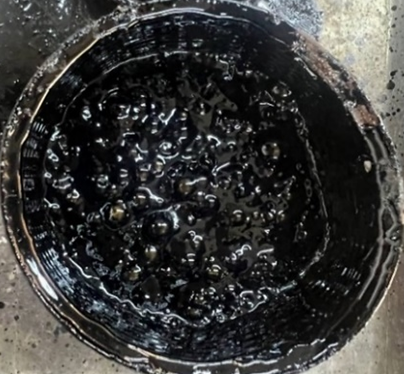
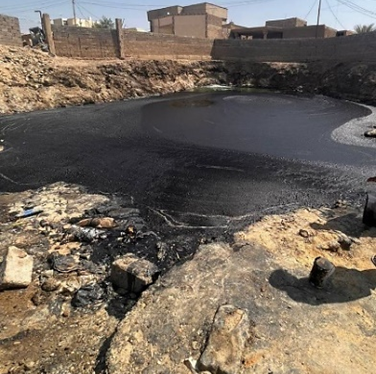
Fig. 1. Natural bitumen: (a) physical form of natural bitumen and (b) Jabal lake
2.1.3 Silica fume
SF is a byproduct of the mineral industry. It is characterized by its fine composition and high content of silicon dioxide (SiO₂), giving it effective pozzolanic properties. It is used as a modifier to improve the properties of NB. In this study, SF was obtained from a local source. Also, the specific gravity of SF was found to be approximately 2.2. Figure 2 shows the physical appearance of SF.
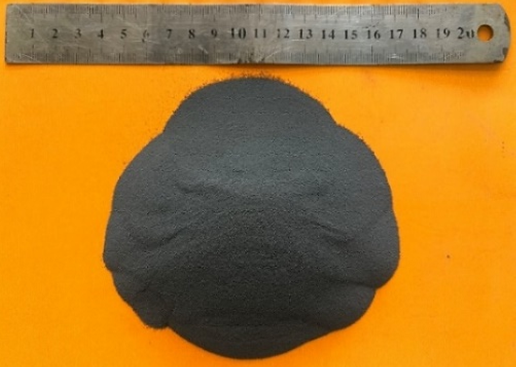
Fig. 2. Silica fume modifier
2.1.4 Aggregate skeleton
For both PB and NB-modified mixtures, the design gradation of aggregate was chosen according to the standard limits, as depicted in Fig. 3. The coarse and fine aggregates were sourced from AL-Nibaie quarry, and the laboratory tests showed that their physical properties conformed to the Iraqi specifications [23]. Both types of aggregate were then screened and mixed in the road laboratory to achieve a granularity that met local requirements. In addition, the limestone filler material was sourced from a local lime factory in Karbala Governorate, located in southeastern Iraq. The physical tests demonstrated that this filler had a specific gravity of 2.7, and the percentage of material passing through sieve No. 200 exceeded 95% of the total mass, which complies with the minimum requirement (70%).
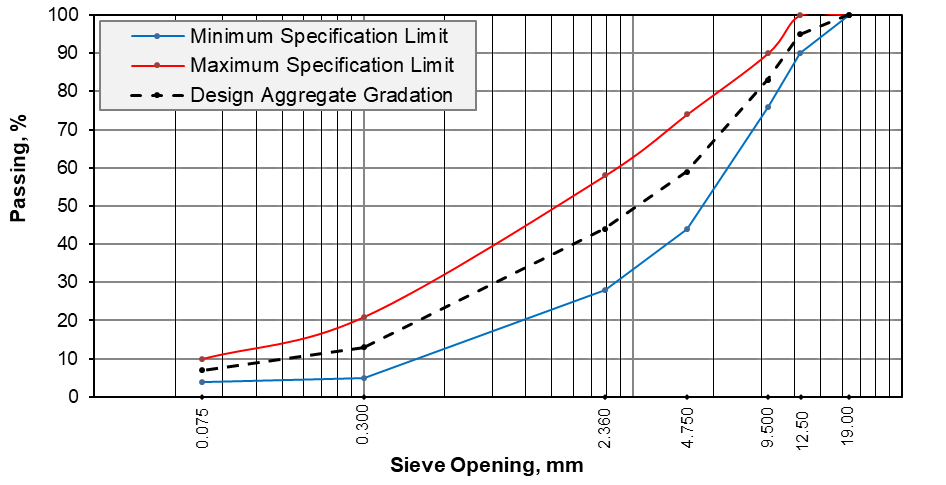
Fig. 3. Design aggregate gradation for surface layer type III-A
2.2 Methods
2.2.1 Modification process
NB processing includes two stages: the first stage involves drying the NB and separate it from water by placing it in an oven at a constant temperature of 110°C for a period of 2.5 hours [18]. The drying process aims to make NB appropriate for using in paving applications and ensure it is completely free of water. The second stage involves mixed NB with SF using a mechanical mixer at three different SF ratios: 30%, 40%, and 50%. The mixing process continued for thirty minute at a constant temperature of 160°C and a rotation speed of 1,500 rpm to ensure homogeneous distribution of SF within NB. Table 2 provides the bitumen blends that adopted in this study. The modified blends were designed to investigate the stiffening effect of SF.
Table 2. Blends identification of NB-modified with SF
|
Blend identification |
Description |
|
NB |
Unmodified natural bitumen |
|
MNB-30 |
Modified NB with addition of 30% SF |
|
MNB-40 |
Modified NB with addition of 40% SF |
|
MNB-50 |
Modified NB with addition of 50% SF |
2.2.2 Traditional physical tests
In this study, a series of fundamental laboratory tests were carried out to analyze the bitumen samples quality and performance in order to evaluate their physical characteristics. The standard specifications for each test as well as the details of the conducted tests are displayed in Table 3.
Table 3. Bitumen physical tests
|
Test |
ASTM standard |
|
Specific gravity |
D-70 |
|
Penetration |
D-5 |
|
Ductility |
D-113 |
|
Softening point |
D-36 |
|
Solubility |
D-2042 |
|
Thin film oven |
D-1754 |
2.2.3 Rotational viscosity test
The rotational viscosity of the binder was assessed using A Brookfield viscometer at 135° and utilizing an S27 spindle at a rotation speed of 20 rpm. This test applied for PB, NB and modified NB blends. The test aims to evaluate the flow properties of the bitumen at mixing temperature, that consider the main factor in evaluating the workability of bitumen through mixing in the plant, transporting and paving operations. The suitability of utilizing modified binders for hot mix asphalt applications through comprehend the viscosity behavior and ensures that practical handling and application conditions can be achieved without compromising performance.
2.2.4 Storage stability test
As per ASTM D7173, the modified samples are subjected to high temperature to evaluate their storage stability. This procedure allows the stability and phase compatibility of NB–modified blended binders to be assessed under prolonged high-temperature conditions. The test procedures include five phases: specimen preparation, thermal conditioning, solidification, sectioning, and testing. The specimen preparation phase involves weighting about 50g of the NB-modified binder after liquefied, then pouring into an aluminum tube with standard dimensions (180 mm length and 25 mm diameter). Three tubes are prepared for each NB-modified binder (MNB-30, MNB-40, and MNB-50). The second phase is the thermal conditioning which illustrates in Fig. 4(a) and consists of tightly sealing the filled binder-tubes and placing vertically in a control oven for 48 hours at a constant temperature of 163±5 °C. This simulates the storage conditions of modified binders in the hot asphalt mix plant. At the end of the thermal conditioning phase, the tubes must be kept approximately for 5 hours in the freezer at a temperature about -10 °C to fully solidify the modified binder. After that, the sectioning phase conducts by cutting each tube horizontally into three equal parts (top, middle, and bottom), as shown in Fig. 4(b). Finally, the modified binder in the top and bottom parts are extracted and tested their softening points according to the ASTM D36 standard to determine any discrepancy.
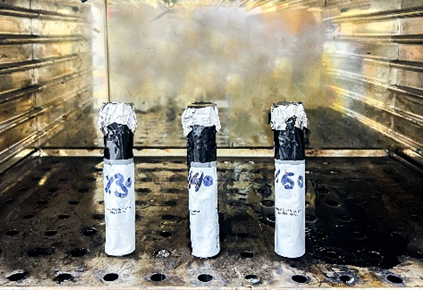
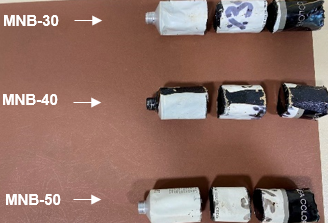
Fig. 4. Storage stability test: NB-modified binders in the aluminum tubes during thermal conditioning phase (a) and sectioning phase (b)
2.2.5 Chemical characterization tests
Studying the morphology structure, identifying the essential components, analyzing the chemical composition, and evaluating the functional groups of asphalt binder is necessary for assess its quality and applicability for different paving works. Therefore, three chemical tests, including scanning electron microscopy (SEM), energy-dispersive X-ray spectroscopy (EDS), and Fourier transform infrared spectroscopy (FTIR) were conducting in this study.
SEM creates a magnified image that be used to evaluate the microscopic structure and the surface morphology using an electron beam applied to the sample's surface under vacuum condition to scan a sample. This technique very useful for failure analysis and microanalysis of solid inorganic materials. High magnification electron microscopy produces highly detailed images that include objects and small features [24]. In this research, the SEM analysis was conducted to examine the microstructure of bitumen samples in detail with focusing on all its component. This provided a better understanding of the surface morphology and microstructural properties of each material separately and allowed for the evaluation of the effects of modification and additives on the bitumen structure as well as a comparison of the components with the original material that formed the sample.
EDS was also used to analyze the elements' surface distribution and chemical composition in the analyzed samples. The elements that are present in the material under analysis are represented by peaks in the spectra generated by EDS. It is also crucial for identifying heavy metal contamination, which is a form of environmental pollution. An Axia ChemiSEM analyzer was applied during this study to evaluate the impact of SF on the characteristics of NB as well as enabling the detection of unwanted trace components that may deteriorate its durability over time.
FTIR, a Shimadzu Spectrophotometer Model 1800 was used. By measuring the absorption of infrared light at various wavelengths, this test makes it possible to identify the bitumen sample's functional groups. The test involves passing an infrared beam through the samples and recording the absorption spectra that result. The peaks in the spectrum perform the chemical bonds present in the material. Samples were analyzed with a high degree of resolution over a wavelength range of 4000–400 cm⁻¹ to ensure clear and representative spectra for each sample.
2.2.6 Preparation of bitumen mixture specimens
Bitumen mixture samples were produced using the Marshall method, depending on ASTM D6927-15, to calculate the optimum binder content (OBC) for both the PB and NB-modified mixes. Five asphalt proportions were used (4%, 4.5%, 5%, 5.5%, and 6%), with three samples prepared for each ratio. The preparation process included drying the aggregate at 110°C, then blending it with the filler and heating the combination to 160°C. The bitumen was then heated to 163°C and manually blended with the aggregate for three minutes to verify that all aggregate particles were coated with a homogeneous layer of bitumen. The mixture was blended, then placed into Marshall molds and compressed. After a day of cooling at room temperature, the specimens were taken out of the molds.
2.2.7 Marshall test
Marshall test is considered one of the most important tests that is used to evaluate and design the asphalt mixtures as it helps in determining the stability and flow of samples. It is also utilized to compute the OBC complying with ASTM D6927-15, which ensures achieving good performance of the mixture. The samples are immersed in a water bath set at 60 ± 1 for 30 minutes in order to prepare them for analysis. The samples are then evaluated using a Marshall device at a steady loading rate of (50 ± 1) mm/min until failure is achieved. The stability and flow values of each sample were recorded at point of failure. In addition, ASTM D-2041-03 was used to determine each sample's theoretical (maximum) specific gravity; ASTM D-3203-05 was used to compute the proportion of air voids; and ASTM D-2726-08 was used to calculate the bulk specific gravity and density to evaluate the volumetric properties of the Marshall samples.
2.2.8 Indirect splitting test
The indirect splitting test (IST) is considered one of the important mechanical tests that are used to evaluate the mechanical properties of the asphalt mixture. The test aim is to assessing the asphalt mixture resistance to moisture damage that caused by asphalt binder stripping. ASTM D 4867M-96 was used to evaluate the compacted mixes. For each mix, a set of six Marshall specimens is created with the OBC. The set was sorted into two groups: unconditioned and conditioned. The first set of three specimen subjected to the IST after being submerged in a water bath at 25 °C for 20 minutes. The other three specimens was subjected to cycle of freezing and thawing (16 hours at -18 °C and 24 hours at 60 °C, respectively), after being submerged in distilled water at 25°C under vacuum to remove air. The IST test was then carried out on these specimens after they were removed and kept in a water bath at 25 °C for an hour. Each set of specimen was tested at a rate of 50.8 mm per minute. The load was noted when the specimen fractured completely when the load reached its maximum value. The indirect splitting strength (ISS) under dry and wet conditions were computed. The following formula is used to calculate tensile strength ratio (TSR):
Where:
- ISSc = average indirect splitting strength of the moisture conditioned subset, kPa,
- ISSu =average indirect splitting strength of the unconditioned subset, kPa.
2.2.9 Cantabro abrasion test
Cantabro abrasion test is a crucial test for determining the resistance of asphalt mixture to disintegrating under mechanical forces and various weather conditions. In this investigation, Marshall samples were prepared to use in this test. Dry and wet conditions were used to test two types of mixes: PB and NB-modified. The samples were subjected to testing using a Los Angeles Abrasion Machine without steel balls after being stored in the air at 25°C for 24 hours in the dry condition. The drum underwent three hundred rotational cycles.
In the wet condition, the samples were subjected to a specific sequence of conditions: first, air drying for 24 hours, then immersion in water at 60°C for 24 hours, followed by re-air drying at 25 C° for an additional 24 hours, before being tested using the same machine and a number of cycles (300 cycles). Figure 5 shows the shape of the sample after testing in both the dry and wet conditions, to compare the effect of each condition on the disintegration of the mixture. The percentage abrasion loss (AL) for each sample was calculated using the following equation:
| \[AL(\%)=\frac{W_1-W_2}{W_1}\times100\] | (2) |
Where:
- W1: weight of sample before testing, gm
- W2: weight of sample after testing, gm.
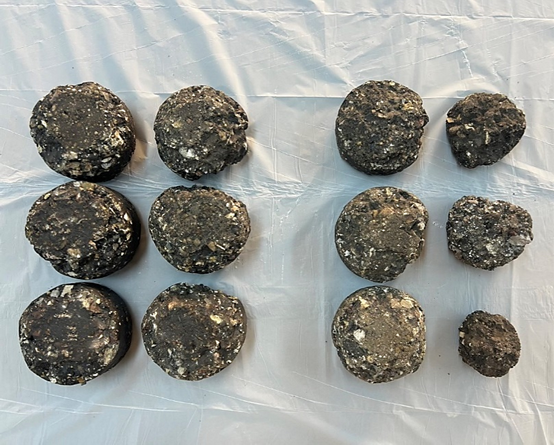
Fig. 5. Samples after Cantabro test under dry and wet conditions
3 Results and discussion
3.1 Evaluation of the properties of bitumen binder
3.1.1 Physical properties
The impurities are inactive elements and could result in a harmful impact on the performance of the asphalt binder; therefore, a solubility test was carried out to determine the contamination and impurities in PB and NB specimens. Based on the standards specified in the Iraqi specification, which demand the impurities percentage in asphalt to be a minimum limit 99%, the findings showed that NB recorded a solubility of 98.76%, while PB achieved a higher solubility of 99.53%. These results reflect the purity of the asphalt binder and its solubility in the solvents used, with a high percentage indicating the presence of a small amount of impurities or insoluble materials. Although NB showed a slightly lower value than PB, this is considered normal because of the nature of its composition and formation. This finding aligns with the results of early study [16]. The percentage is still high and indicates good quality asphalt binder, with slight improvements possible if mechanical performance or moisture resistance requires higher rates.
The physical properties of PB, virgin NB, and modified NB samples are represented in Table 4. Penetration test results indicate that unmodified NB was softer and less stiff than PB, reflecting its poor resistance to deformation under high loads. When NB was modified with SF, a significant improvement in stiffness was observed. The 30% and 40% ratios increased the mixture's resistance to deformation, with the 40% ratio maintaining an appropriate balance between stiffness and elasticity. The 50% ratio contributed to excessive stiffness, which could reduce the mixture's elasticity and affect its workability. In the softening point test, it was observed that the modified NB showed a significant improvement in thermal resistance compared to virgin NB, with the softening point gradually rising with increasing SF content. In the ductility test, PB demonstrated a better balance between stiffness and elasticity, while unmodified NB shown greater elasticity in comparison to modified blends. As the amount of SF in NB increased, its ductility decreased. The MNB-40 maintained sufficient elasticity, making it the best option for balanced mechanical performance, while the MNB-50 recorded a value less than 100 cm, indicating a noticeable drop in elongation capacity when compared to the other samples. Based on the findings from the penetration test and the softening point test, the penetration index (PI), which was used to assess the sensitivity to temperature, was computed using equations (3 and 4).
| \[PI=\frac{20-500A}{1+50A}\] | (3) |
Where T is the testing temperature, typically 25 °C and TR&B is the ring and ball softening point temperature (°C). The results showed that the modified NB was stiffer and less sensitive to thermal changes compared to PB, while the unmodified NB was less stiff and more elastic. The 40% SF content presented a balanced penetration index, reflecting high resilience to heat changes while remaining the necessary operational characteristics, and the 50% content presented a low index. From these results, it was found that the 40% SF ratio was the optimum ratio, since it showed hardness and flexibility balance to strengthen heat resistance and flexibility. This ratio was adopted in all the following tests, as it is consistent with the standard specification for the ideal performance of the mixture [23].
Table 4. Physical properties of PB, virgin NB, and modified NB
|
Property |
Results |
Requirements [23] |
|||||
|
Binder type |
|||||||
|
PB |
Virgin NB |
MNB-30 |
MNB-40 |
MNB-50 |
|||
|
Penetration, 0.1 mm |
46 |
93 |
51 |
45 |
35 |
40-50 |
|
|
Softening point, ºC |
52.3 |
44.5 |
51.2 |
52.5 |
53.9 |
Not limited |
|
|
Ductility, cm |
117 |
155 |
121 |
105 |
91 |
100 minimum |
|
|
Penetration index, dimensionless |
-0.830 |
-1.167 |
-0.858 |
-0.833 |
-0.990 |
Not limited |
|
|
Aged residue from thin film oven test |
Retained penetration, % of original |
62 |
63 |
75.8 |
73.8 |
75.1 |
55 minimum |
|
Ductility, cm |
89 |
98 |
84 |
79 |
63 |
25 minimum |
|
3.1.2 Bitumen workability assessment
As shown in Fig. 6, the result of rotational viscosity at 135°C reveal that the NB had a viscosity lower than PB by about 23%, demonstrating higher workability. Nevertheless, at high temperature the binder became less resistant to deformation. The viscosity of NB improved gradually by modifying it with SF, which increased by 73% at 30% SF, 112% at 40% SF, and roughly by 228% at 50% SF in comparison to NB. This increase in viscosity indicates obvious enhancement in shear and deformation resistance. Although the addition of SF led to a noticeable increase in the rotational viscosity at 135°C indicating a relative decrease in workability all values remained within the acceptable limits according to the specifications (AASHTO T316) where the permissible value of 3000 mPa.s at a temperature of 135°C is not exceeded. This confirms that the modified binders are still suitable for practical application.
However, they may require additional considerations during mixing and compaction, such as better control of temperatures. To clarify this, it was found that the mixing temperature ranges were 157.9-162.5 °C and 165.4-170.6 °C for PB and MNB-40, respectively. Whereas, the compaction temperature ranges for PB and MNB-40 were 147.6-152.5 °C and 156.1-160.3 °C, respectively. Based on previous results, NB mixture requires higher temperatures for mixing and compaction than PB mixture because MNB-40 is a higher-viscosity binder, thus the mixing process in the plant and compaction process in the field for the NB mixture became more difficult at traditional temperatures. Consequently, the increasing in these temperatures lowered the viscosity of MNB-40 and made it more fluid, which ensures better coating of aggregates, achieves required density, and provides greater workability. Meanwhile, this has a negative impact on the environmental because higher temperatures increase blue smoke emissions at the asphalt plant and the paver in the field. In addition, while the initial production energy costs and consumption for NB modified mixture is higher than PB mixture, NB modified binder increased the strength and enhanced the rutting resistance of asphalt pavement at high-temperature conditions. This therefore reduces the required rehabilitation and maintenance frequency, lowering the overall life-cycle of carbon footprint. It also suggests to use specialized compaction equipment, such as pneumatic rollers, to further mitigate concerns and issues about the workability of NB mixture during field applications [25].
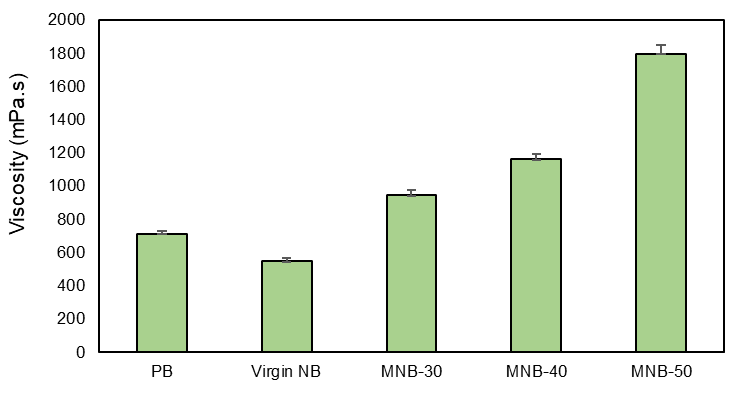
Fig. 6. Rotational viscosity results for PB, virgin NB, and modified NB samples
3.1.3 Storage stability analysis of NB modified binders
Storage stability of modified binders is essential to prevent phase segregation, ensure material homogeneity, and guarantee consistent mechanical and rheological performance throughout storage, transportation, and paving operations. Therefore, it is crucial to measure and evaluate the storage stability of NB modified binders. Table 5 provides the outcomes of this property for all NB-modified binders including the values of the softening points for both parts (top and bottom) and the differences between these points (ΔT). The parameter ΔT is a primary metric for stability of modified binder under prolonged high-temperatures storage. Typically, it must be less than or equal to 2.5 °C to provide a homogenous and uniform modified binder, exceeding this limit means that the modified binder has separated or settled during storage. As presented in Table 5, it was found that the ΔT values were 5.1, 7.7, and 11.5 °C for MNB-30, MNB-40, and MNB-50 binders, respectively. The results of ΔT for all modified binders indicate that the NB-modified binders with SF lack proper storage stability since all values of ΔT values were more than minimum acceptable limit (2.5 °C). To prevent the settling and agglomeration of SF, it suggests two approaches: optimizing the preparation or modification process for NB-modified binders that adopted in this research such as increasing the shearing time and the speed rate more than 30 minutes and 1,500 rpm, respectively; and introducing chemical or physical compatibilizers with moderate ratios of SF to yield a more uniform distribution without compromising the overall performance of NB-modified mixture.
Table 5. Results of storage stability for NB-modified binders
|
Modified binder ID |
MNB-30 |
MNB-40 |
MNB-50 |
|
|
Softening point, °C |
Top part |
57.2 |
60.1 |
62.2 |
|
Bottom part |
62.3 |
67.8 |
73.7 |
|
|
ΔT, °C |
5.1 |
7.7 |
11.5 |
|
3.1.4 Microstructure analysis
The asphalt binder quality is highly impacted by its microstructure. Figure 7 displays the SEM images of PB, NB, SF, and MNB-40. Depending on the SEM images, PB includes a uniform mixture of hydrocarbons. The bitumen surface looks mainly plain and clear of any observable characteristics in the surface morphology, as shown in Fig. 7-a. The morphological of NB displays a difference structure from the PB. This distinction is possibly due to NB having high component variety, which leads to their irregularity in the morphology of the surface, as illustrated in Fig. 7-b. The existence of trace elements with distinct concentrations, such as magnesium, sodium, silicon, and other contaminants, in NB samples illustrates their impurity. Moreover, most of the NB in Lakes includes of organic compounds, including oxygen, sulfur, and carbon, which have a tendency to promote interactions in materials. These results reflect the variety of chemical components in NB, which impact its uses and properties.
As observed in Fig. 7-c, SEM image of SF showed that the particles did not appear in the small nanoscale size for which this material is usually known, but rather appeared in aggregates with a size of approximately 6.677 µm. This is also attributed to the agglomerating nature of SF, due to the high specific surface area and chemical reactivity of its particles that it causes them to clump together leading to larger aggregates. Even if the observed size is an indication of very small size, this does not imply that the nanoscale character of alumina used was lost since its basic structure remained in nanoscale and contributed positively to deterioration of mechanical as well as physical performance of asphalt. Once the micro-features were studied separately on the SF surface, its dynamics interaction with the NB matrix were analyzed to elucidate their influence in the interior structure and a map distribution of SF particles within the NB matrix, as shown in Fig. 7-d). The particles were agglomerated in differently sized aloes: some of them micro sized (4.063 µm and 1.77 µm) while the others consisting Nano sizes (455.4 nm), showing that SF was not entrapped in big agglomeration but instead distributed intermingled with NB. It was also observed that the SF particles appeared to be embedded in the dark texture of the NB, reflecting good cohesion between the two materials and the ability of the SF to penetrate the NB matrix and fill voids, which could contribute to improving the microstructure and increasing the stability of the modified mixture.
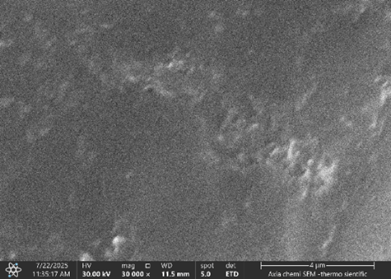
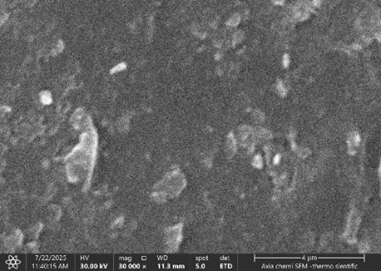
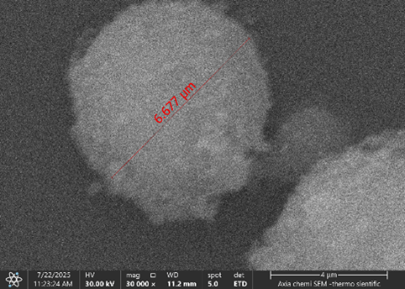
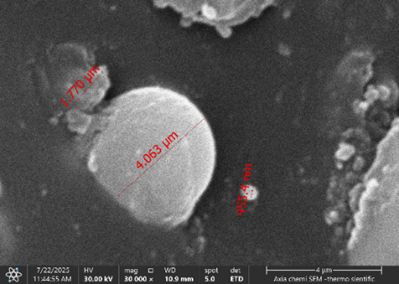
Fig. 7. SEM images: (a) PB; (b) virgin NB; (c) SF, and (d) MNB-40
3.1.5 Elemental analysis
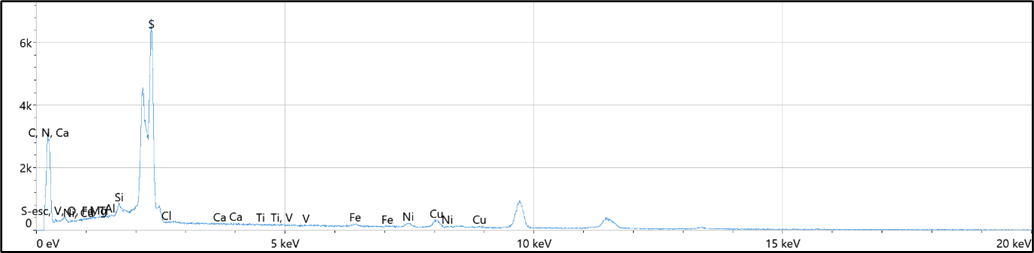
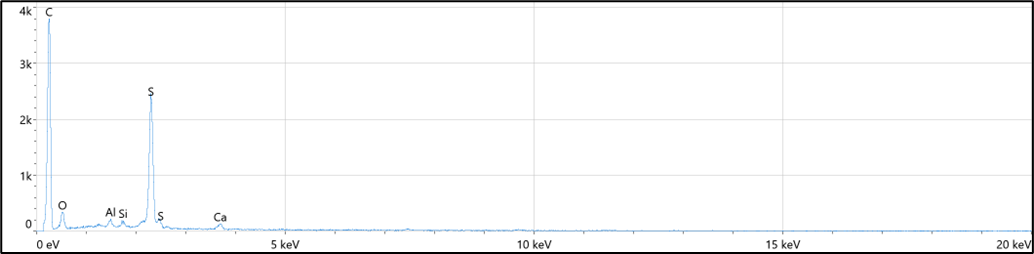
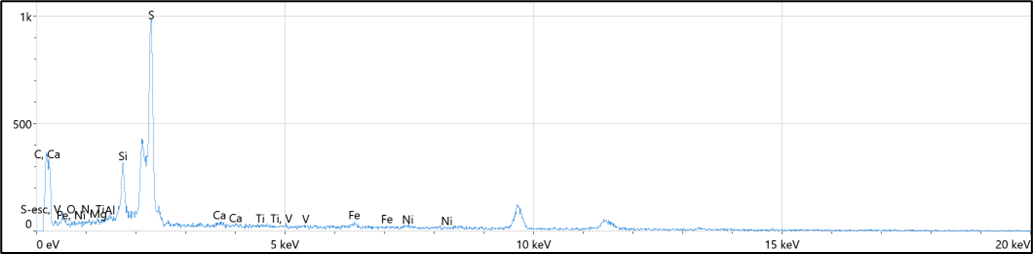
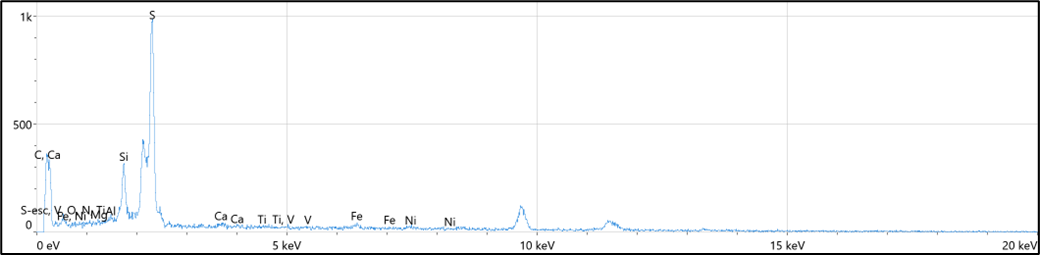
As presents in Fig. 8, the EDX analysis results revealed clear differences in the elemental composition of the four samples studied, providing important indications of their chemical properties and potential reactivity within the asphalt mixture. The PB sample obtained from the Dora refinery showed a very high carbon content of approximately 74%, consistent with the nature of asphalt derived from petroleum distillation, which is rich in organic hydrocarbon compounds. High carbon content in asphalt has an advantageous effect mixture of the asphalt by improving its flexibility, consequently enhancing the resistance of the asphalt under low temperatures to cracking. Moreover, it improves the resistance of the asphalt at high temperatures to deformation, consequently increasing its durability [26]. Significant levels of sulfur (12%) and copper (4.6%) were also observed, possibly reflecting residues from industrial processing processes. The very low levels of oxygen and silicon indicate a poor polar composition, explaining the traditional water-resistant performance of this type of asphalt. NB showed a significantly different composition, with a decrease in carbon (71.6%) and a significant increase in oxygen (16.2%), indicating that it contains more oxidized compounds or polar bonds. This composition may contribute to improved reactivity, but it may be more susceptible to moisture absorption. Small amounts of aluminum, silicon, and calcium also appeared, indicating the presence of natural mineral impurities or remnants of the extracted rocks. On the other hand, SF exhibited a radically different composition, with the carbon content dropping to only about 24.2%, the oxygen content rising significantly (38.7%), and a significant concentration of silicon (24%), reflecting its inorganic nature, rich in silicate compounds. The presence of elements such as sodium, calcium, and iron indicates a complex composition resulting from industrial processes. This composition makes SF an effective material for improving cohesion within asphalt mixtures through its interaction with polar compounds. In the case of MNB-40, the effect of combining the two elements was clearly evident. The carbon content dropped to 59.7%, and the nitrogen content reached 9.2%, which may indicate new chemical reactions within the mixture. The sulfur content also increased to 12.6% and the silicon content to 4.3% compared to NB, indicating partial incorporation of SF into the mix. These changes demonstrate that the addition was not completely inert, but rather affected the overall chemical composition, particularly in terms of introducing polar elements that may enhance bonding within the mix.
 |
| a) |
 |
| b) |
 |
| c) |
 |
| d) |
Fig. 8. EDS analysis outcomes: (a) PB; (b) virgin NB; (c) SF, and MNB-40
3.1.6 Functional chemical groups analysis
FTIR analysis results, as presents in Fig. 9, indicate clear differences between the studied samples, reflecting changes in chemical composition resulting from the nature of the original material or the additive used. PB exhibited a spectrum rich in peaks representing the main hydrocarbon components, including aliphatic and aromatic compounds, along with indications of the presence of oxidized compounds. These peaks constitute the traditional chemical fingerprint of asphalt produced by distillation and serve as a reference for assessing any subsequent changes in the material's composition. SF exhibited a distinct and completely different spectrum, with peaks concentrated in the bands associated with Si–O and Si–O–Si bonds, confirming its inorganic nature and its near-complete absence of hydrocarbon compounds. The presence of peaks in the 1000–1100 cm⁻¹ range also indicates the network structure of amorphous silica and its ability to interact with other polar compounds. When comparing the spectrum of NB with PB, many similar peaks are observed, with differences in the positions or intensity of some peaks, indicating a difference in the degree of oxidation or the proportion of aromatic components. This could be related to the nature of the raw NB or the extraction method. In the spectrum of MNB-40, a clear convergence of the characteristics of the two original spectra was observed. New peaks appeared that were not present in either material individually, particularly in the lower ranges (below 700 cm⁻¹). This may indicate the occurrence of physico-chemical interactions between the SF and the NB components. The increased intensity of some aromatic peaks after the addition indicates a change in the distribution of functional groups within the organic structure of the NB, which could be reflected in its rheological and mechanical properties. Overall, the data show that SF was not completely inert when added to NB, but rather contributed to a rearrangement of the absorption spectrum, reflecting a change in the mixture's structural composition.
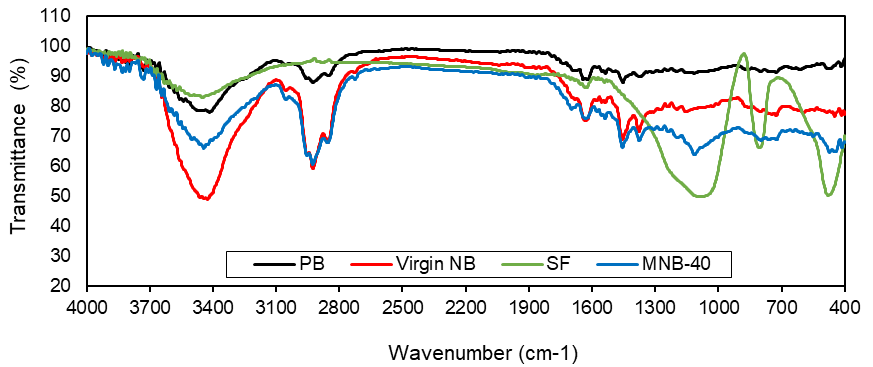
Fig. 9. FTIR spectral analysis for PB, virgin NB, SF, and MNB-40
3.2 Assessment of the characteristics of bitumen mixture
3.2.1 Mechanical and volumetric properties
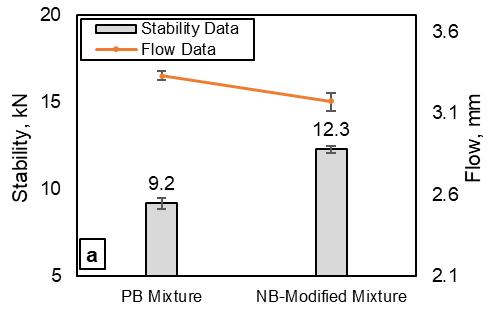
Utilizing the standard Marshall methodology, the Marshall test was conducted to evaluate the mechanical performance of the mixtures. The OBC was determined to be 5.3% for the modified mixture with NB and 4.95% for the PB mixture. Marshall test results, as seen in Fig. 10-a, showed clear differences between the NB-modified mixture and the PB mixture in several important mechanical aspects. It was observed that the stability of the NB-modified mixture showed a significant improvement compared to the PB mixture, increasing by approximately 34%, indicating an increased resistance to deformation under vertical loads. The structural effect of the SF modifier, which may enhanced the mix's internal cohesiveness and improved load distribution, is credited with this improvement. The NB-modified combination's flow value revealed a little decrease of about 5% in comparison to the PB mixture. Although this percentage is small, however, it serves as an indicator of a relative improvement in the mixture’s resistance to load-induced deformations, thereby enhancing its efficiency under actual service conditions.
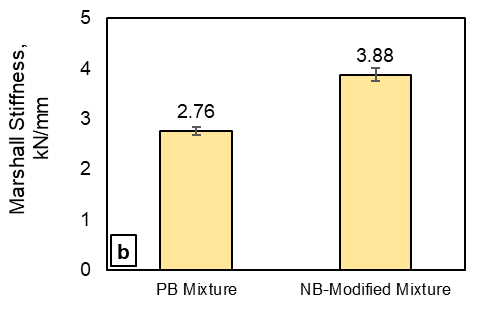
On the other hand, Marshall stiffness showed an increase of about 41% in the NB-modified mixture as opposed to the PB mixture, as shown in Fig. 10-b. The increase in the mixture stiffness is reflecting the capability of withstanding stresses without experiencing severe deformation. Additionally, it is a good sign of structural performance and demonstrates how the modification enhanced the mixture's resistance to permanent deformation. Overall, these results demonstrate that the NB-modified mixture outperforms the PB mixture in terms of mechanical performance.
|
|
|
a) |
b) |
Fig. 10. Mechanical properties of PB and modified NB mixtures: (a) stability and flow results, and (b) Marshall stiffness results
The result of the volumetric properties of the asphalt mixtures (Table 6) shows minor changes which can be attributed to the effect of the applied modification. The bulk density slightly increased by about 0.6% in the NB-modified mixture compared to PB mixture, which indicates partial improvement in compaction degree and increase cohesion among the mixture component. Also, it was observed that the proportion air voids decreased by about 7% in the NB-modified mixture which reflects a reduction in internal voids and consequently improved the mixture resistance to passaging of air and water, also extending its service life.
Additionally, the NB-modified mixture experienced an increase in bitumen-filled voids at a rate of about 2.5%, indicating better bitumen distribution throughout the mixture's overall structure and increased resistance to internal corrosion and disintegration. The total voids in mineral aggregate decreased slightly by approximately 1.1%. This change is limited and does not negatively impact performance, but it does indicate a degree of similarity in aggregate size and structure between the two mixes.
Overall, these indicators show that the NB-modified mixture outperformed the PB mixture in terms of compaction, internal cohesion, and binder content, which strengthens confidence in its practical use in paving projects.
Table 6. Volumetric properties of PB and NB-modified mixtures
|
Design parameter |
Bulk density (gm/cm3) |
Air voids (%) |
Voids in mineral aggregate (%) |
Voids filled with bitumen (%) |
|
PB mixture |
2.333 |
4.1 |
14.38 |
71.5 |
|
NB-modified mixture |
2.346 |
3.8 |
14.22 |
73.3 |
|
Limits [23] |
Not specified |
3-5 |
14 (minimum) |
Not specified |
3.2.2 Water susceptibility
The results of the IST as seen in Table 7 demonstrated that the modified mixture with NB compared to the PB mixture showed in dry strength a slight enhancement, rising its splitting strength by about 7%, demonstrating that under dry conditions SF contributed to enhancing the internal cohesion of the mix. However, performance under wet conditions was quite different, with the strength of the NB-modified mixture decreasing significantly compared to the PB mixture, by more than 35%. The wet-to-dry TSR impacted from this significant decrease, which decreased by approximately 40% compared to the PB mix, as shown in Fig. 11. The PB mixture achieved a TSR of 82.6% indicating good water resistance, which is within the standard specification's minimum requirement of 80%. In contrast, the modified-NB mixture showed a lower TSR of 48.5%, which is below the permissible limit, indicating that SF may be effective in improving mixture properties in dry conditions, but insufficient in enhancing the performance of mixture under wet conditions. This finding is not aligned with the conclusions of the early research [27], which stated that modified PB with high contents of SF (20%, 30%, 40%, and 50%) can effectively enhance the water damage resistance of asphalt mixture. This is because the resistance to the stripping failure in the PB structure may be different than that of NB.
Utilizing high content of SF (40%) with NB lead to significant decline in moisture resistance that attributed to several relayed factors. First, the rise in the active surface area within the mix was resulted from the high percentage of SF. These fine particles contain chemical groups such as (Si–OH) that tend to attract water molecules, enhancing moisture penetration into the mixture. This water absorption leads to poor adhesion between the aggregate and asphalt, where internal bonds easily disintegrate when the mixture is exposed to moisture, known as the stripping effect [28]. Second, NB by nature contains complex organic and inorganic compounds it reduces the binder ability to adhere to aggregate particles when water is present. Additionally, the reduction of adhesion-enhancing additives increases the mixture's susceptibility to stripping in the presence of water, causing deterioration of the mixture's mechanical performance and poor interconnectivity [22]. Therefore, it is crucial in future studies to employ moderate proportions of SF with adhesion-enhancing chemical additives in order to improve the balance between the mixture's resistance in dry and wet conditions.
Table 7. Results of IST for PB and NB-modified mixtures
|
Mixture type |
Dry |
Wet |
||||
|
Sample ID |
ISS, kPa |
Average ISS, kPa |
Sample ID |
ISS, kPa |
Average ISS, kPa |
|
|
PB |
1 |
1167 |
1164 |
1 |
937 |
961 |
|
2 |
1152 |
2 |
977 |
|||
|
3 |
1174 |
3 |
969 |
|||
|
NB-modified |
1 |
1267 |
1246 |
1 |
585 |
604 |
|
2 |
1248 |
2 |
621 |
|||
|
3 |
1222 |
3 |
607 |
|||
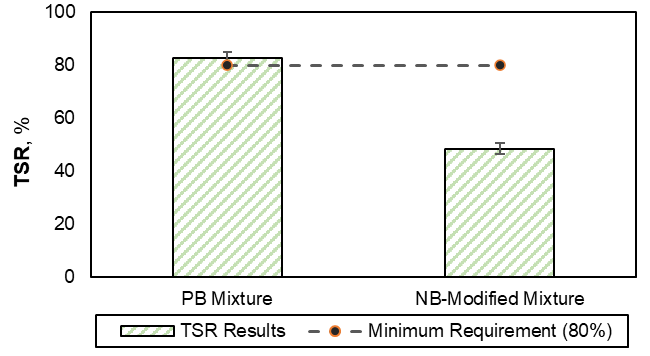
Fig. 11. TSR of PB and NB-modified mixtures
The previous researchers [28-30] used low to moderate SF dosages (2–10%), in which SF mainly acted as conventional binder modifier and produced positive effects by contributed micro-filling and bonding improvement between asphalt binder and aggregates. The fine SF particles also filled internal voids, reduced water penetration, enhanced cohesion of asphalt mastic and stripping resistance with minimal effects on workability or coating of the asphalt. Nonetheless, very high SF dosages were used in the present study (40%), which could have potentially altered the role of SF from traditional material modifier to active filler within the mastic system. At this level of content, excessive stiffness and viscosity may affect the dispersion of binder and coating of aggregates unfavorably. Moreover, the very high surface area of SF increases the binder requirement and gives less effective asphalt film thickness surrounding aggregates to make them more vulnerable to moisture damage. In addition, higher viscosity may reduce the workability and compaction efficiency by increasing internal voids and moistures. These drawbacks can be overcome by future studies considering the incorporation of different anti-stripping additives like hydrated lime or liquid amine-based additives to enhance adhesion and moisture durability at such high SF contents.
3.2.3 Raveling resistance
The test results showed that the PB mixture and the NB-Modified mixture differed significantly in terms of abrasion resistance in both dry and wet conditions, as seen in Table 8. In the dry condition although expectations of enhanced performance, NB-modified showed loss rate more than PB mix 2.5 times, showing a significant decrease in abrasion resistance. Under wet conditions, the results showed significant effects of moisture on both types, but the effect was more severe in the NB-modified mixture, with a loss rate approximately 150% higher than that of the PB mixture. It is worth noting that this value significantly exceeded the maximum allowable limit in the specifications, while the PB mixture remained close to the acceptable limit. These contrast show that the modification utilized in modified NB mixtures might have produced in a weakening of the structural resistance of the mix, and negatively impacted the internal cohesion of the mixture at moisture condition. This fundamental lack in raveling resistance is because SF particles agglomerate or clump rather than dispersing evenly throughout the binder matrix particularly when added high dosages, causing a severe reduction in the cohesion bond between the aggregates and NB that leads to rapid abrasion and aggregate loss. To address this failure, it suggests to incorporate anti-stripping agents with moderate dosage of SF into NB to enhance the chemical bond at the NB-aggregate interface.
Table 8. Summary of abrasion loss outcomes
|
Test condition |
Details |
Mixture type |
|||||
|
PB |
NB-modified |
||||||
|
Dry |
Sample ID |
1 |
2 |
3 |
1 |
2 |
3 |
|
AL, % |
13.6 |
10.8 |
12.2 |
24.1 |
32.6 |
37.8 |
|
|
Average AL, % |
12.2 |
31.5 |
|||||
|
Maximum requirement, % |
20 |
||||||
|
Wet |
Sample ID |
1 |
2 |
3 |
1 |
2 |
3 |
|
AL, % |
34.8 |
25.4 |
29.5 |
84.2 |
68.5 |
74.3 |
|
|
Average AL, % |
29.9 |
75.7 |
|||||
|
Maximum requirement, % |
35 |
||||||
3.3 Statistical analysis
Using IBM SPSS Statistics, a one-way ANOVA was conducted to statistically evaluate the influence of adding SF on the performance characteristics of NB binder and paving mixtures. This analysis involved a set of characterization tests such as penetration, softening point, ductility, rotational viscosity, Marshall stability, flow, ISS (dry and wet conditions), TSR, and Cantabro loss (dry and wet conditions). The ANOVA results are listed in Table 9. The level of significance was determined at P < 0.05, which means the confidence level for the statistical significance was 95%. The results showed that all performance parameters have P-values less than 0.05, indicating that the variations observed in the behavior of NB binders and mixtures were primarily due to the increasing in the SF dosage rather than random laboratory errors. Thus, there are statistically significant differences between the assessed mixtures for all of the parameters (dependent variables), confirming that SF content has a major impact on performance properties of NB binders and mixtures. In addition, according to the displayed data in Table 9, the highest F-values (or lowest P-values) among binder properties were recorded for the penetration property, implying the significant difference between unmodified and SF-modified binders. Collectively, MNB-40 binder strongly offered a balanced enhancement in temperature susceptibility, consistency, tensile strength, and fluidity compared with MNB-30 and MNB-50 binders while remaining within criteria limits of PB. MNB-30 binder was comparatively soft whereas MNB-50 became brittle and stiff as relative to PB. Consequently, the statistical findings supports the chosen of 40% SF as the optimum ratio. Among mixture properties, the ISS under wet condition has the highest F-value. This proves that the mixture durability is the most sensitive response to variations in NB composition due to SF addition.
Table 9. ANOVA outcomes for the effect of SF modifier on the asphalt binder and mixture properties
|
Physical and workability properties for asphalt binder |
|||
|
Property |
F-value |
P-value |
Statistical significance |
|
Penetration |
848.333 |
1.3109 * 10-12 |
Significant |
|
Softening point |
682.100 |
3.8846 * 10-12 |
Significant |
|
Ductility |
39.7120 |
4.0000 * 10-6 |
Significant |
|
Rotational Viscosity |
589.789 |
8.0104 * 10-12 |
Significant |
|
Mechanical and durability properties for asphalt mixture |
|||
|
Property |
F-value |
P-value |
Statistical significance |
|
Stability |
211.600 |
0.000130 |
Significant |
|
Flow |
21.4370 |
0.010000 |
Significant |
|
Marshall stiffness |
159.822 |
0.000225 |
Significant |
|
ISS-dry condition |
31.1710 |
0.005045 |
Significant |
|
ISS-wet condition |
490.952 |
0.000025 |
Significant |
|
TSR |
365.512 |
0.000044 |
Significant |
|
AL-dry condition |
22.4440 |
0.009054 |
Significant |
|
AL-wet condition |
73.7240 |
0.001011 |
Significant |
4 Conclusions
This research assessed the use of SF as a NB modifier to produce asphalt binder approximately similar to PB. At the binder level testing, the fundamental properties of NB including mechanical behavior and thermal resistance enhanced while adding SF modifier, having results almost near to PB. The SF percentages (30%, 50%) gives different result that the first content made no major difference, while the second content led to decreased elasticity and excessive stiffness, that could impact workability. The 40% SF content represented the optimal balance between stiffness and elasticity, while improving thermal and deformation resistance. This content was used in the remaining tests, as it complies with the standard specification and provides optimal mix performance. In addition, using of NB modified with SF produced in a gradual increase in viscosity compared to virgin NB. Despite this increase, the values remained within the standard specification limits, indicating that workability was still acceptable but had decreased slightly due to the increased viscosity. Based on storage stability test results, all modified binders have shown poor storage stability under high-temperature conditions.
Based on the chemical tests, surface of NB demonstrates irregular and having of impurities through SEM images, this indicates to restricted purity and difficulty in internal cohesion. In contrast, PB appeared smoother and more uniform with reduced impurities, indicating an improved internal structure that made it more amenable to modification. The test verifies suitable properties of SF for modification through its exhibited fine, spherical particles in the Nano- to micro-scale range. When SF was mixed with NB, the image showed the particles intermingling and embedding within the bitumen matrix, indicating good integration at the microscopic level and improved internal structure of the modified mixture, which enhances the expected physical and mechanical properties of the mixture. Alongside, NB have mineral-rich raw nature showed that NB contained high levels of inorganic elements compare to PB, through EDX analysis. When SF was added at a rate of 40%, the silicon content increased significantly, while some other minor elements decreased. This confirms the integration of SF particles into the internal structure of NB, forming a more stable network. This contributed to the improved physical and mechanical properties of the binder compared to unmodified NB. Additionally, FTIR result confirmed that the NB differs from PB through the appearance of extra peaks indicate the presence of more significant amount of polar organics and minerals which explain the variation of its physical properties. When SF was added with proportion of 40% to the NB, extra new peaks appeared with a change in the intensity of the previously existing peaks which indicates the occurrence of physico-chemical interaction between the components of SF and NB. This interaction contributed to improving molecular structure and stability of binder, which was positively reflected on its mechanical and physical properties.
It was observed that the performance of NB-modified mixture was better than PB mixture in term of mechanical properties. Where increase in stiffness and stability was noted, and this might make the mixture more effective in resistance the vertical heavy load. Also, the flow value of NB-modified mix was slightly lower than PB mixture this indicate that the mixture became stiffer and more resistance to deformation. Based on these results, using NB-modified could improve the mechanical and volumetric properties of the asphalt mixture. Still, more testing is probably required to assess long term performance especially in term of balance between stiffness and cracking susceptibility. Also, when comparing the NB-modified mixture with PB mixture it was found that the NB-modified mixture performed better in dry condition in term of splitting resistance, but when it exposed to moisture evident issues was appeared as the TSR decrease bellow the allowable limit. This is attributed to chemical combination of NB that reduces the binder's ability to stick to the aggregate when exposed to water, which leads to weak internal bonding and an increased possibility of separation. Even while adding SF slightly raises this resistance, it is not enough to get the best results in high humidity. Therefore, to ensure the stability of the mixture in high humidity conditions, more effective and adhesion-enhancing modifiers might be necessary. Ultimately, Cantabro test results demonstrated that the NB-modified mixture recorded significant losses in both the dry (31.5%) and wet (75.7%) conditions, exceeding the maximum allowable limits (20% for dry and 35% for wet). This indicates poor resistance to withstand disintegration under both conditions.
There are two main limitations in this research that could be addressed in future work. First, NB modified mixture has a poor water damage resistance therefore it recommends to use moderate contents of SF with anti-stripping additives to enhance the adhesion between the aggregate and NB. Second, the research lacks an economic evaluation to identify if modifying NB with SF is a viable alternative compared to standard polymer modified asphalt since incorporating high content of SF into NB is an expensive and logistically demanding process.
Acknowledgements
No external funding was received.
References
- Abd, N. I., & Latief, R. H. (2024). The effects of fibers on the properties of local hot asphalt mixtures. Tikrit Journal of Engineering Sciences, 31(4), 146–157. https://doi.org/10.25130/tjes.31.4.15
- Anupam, K., Akinmade, D., Kasbergen, C., Erkens, S., & Adebiyi, F. (2023). A state-of-the-art review of natural bitumen in pavement: Underlining challenges and the way forward. Journal of Cleaner Production, 382, 134957. https://doi.org/10.1016/j.jclepro.2022.134957
- Akinmade, D., Anupam, K., Kasbergen, C., Erkens, S., Samson, D., & Marco, P. (2024). Performance of natural asphalt as a paving material: A laboratory and field evaluation. Case Studies in Construction Materials, 21, e03823. https://doi.org/10.1016/j.cscm.2024.e03823
- Ahmed, F., Latief, R., & Albayati, A. (2024). Effect of natural bitumen on the performance of hot asphalt mixture. Gazi University Journal of Science, 37(3), 1154–1170. https://doi.org/10.35378/gujs.1282239
- Mohammed, F. A., Latief, R. H., & Albayati, A. H. (2024). Assessment of traditional asphalt mixture performance using natural asphalt from sulfur springs. Journal of Engineering, 30(1), 54–73. https://doi.org/10.31026/j.eng.2024.01.04
- Rondón-Quintana, H. A., Ruge-Cárdenas, J. C., & Zafra-Mejía, C. A. (2023). Natural asphalts in pavements: Review. Sustainability, 15(3), 2098. https://doi.org/10.3390/su15032098
- Zuluaga-Astudillo, D. A., Rondón-Quintana, H. A., & Zafra-Mejía, C. A. (2021). Mechanical performance of Gilsonite modified asphalt mixture containing recycled concrete aggregate. Applied Sciences, 11(10), 4409. https://doi.org/10.3390/app11104409
- Zhang, S., Yue, J., Wu, J., & Li, R. (2021). Influence of rock asphalt on self-healing behavior of asphalt mastics. Construction and Building Materials, 310, 124851. https://doi.org/10.1016/j.conbuildmat.2021.124851
- Vigneswaran, S., Yun, J., Kim, H., Lee, M.-S., & Lee, S.-J. (2024). Enhancing asphalt binder performance and storage stability with Trinidad Lake Asphalt (TLA). Applied Sciences, 14(14), 6023. https://doi.org/10.3390/app14146023
- Alkhafaji, M. W., Connan, J., Engel, M. H., & Al-Jubouri, S. W. (2021). Origin, biodegradation, and water washing of bitumen from the Mishraq Sulfur Mine, northern Iraq. Marine and Petroleum Geology, 124, 104786. https://doi.org/10.1016/j.marpetgeo.2020.104786
- Farhan, M. M., Rabeea, M. A., Muslim, R. F., & Zidan, T. A. (2021). Chemical composition (saturate fraction) of western Iraq natural bitumen. Materials Today: Proceedings, 42(5), 2527–2533. https://doi.org/10.1016/j.matpr.2020.12.574
- Abdul-Jaleel, T., & Najres, M. (2012). Oxidation influence on the chemical content and some rheological properties for natural asphalt to Abu Al Jeer-Al Anbar. Iraqi Journal of Desert Studies, 4(1), 1–15. https://doi.org/10.36531/ijds.2012.68137
- Altameemi, A. A., Al-Jumaili, M. A., Mohammed, A. J., & Abdul Karim, A. (2016). Studying the possibility of utilizing the vast deposits of natural asphalt in Iraq in specific uses using as little as possible manufacturing treatment. The Iraqi Journal for Mechanical and Material Engineering, 1(1), 462–488.
- Abdul-Jaleel, T., Salem, J. W., & Najres, A. M. (2016). A new separation, fractionation and improving of Abu-Aljeer asphalt. Anbar Journal of Engineering Science, 7(1), 31–41. https://doi.org/10.37649/aengs.2016.124363
- Nejres, A. M., Mustafa, Y. F., & Aldewachi, H. S. (2020). Evaluation of natural asphalt properties treated with egg shell waste and low density polyethylene. International Journal of Pavement Engineering, 23(1), 39–45. https://doi.org/10.1080/10298436.2020.1728534
- Mohsin, H. K., & Latief, R. H. (2025). Properties evaluation of natural bitumen-filler mastic mixture. Engineering and Applied Science Research, 52(1), 66–80. https://doi.org/10.14456/easr.2025.6
- Albayati, A. H., Mohammed, A. M., Al-Kheetan, M. J., Al-Ani, A. F., Oukaili, N. K., Moudhafar, M. M., Sukhija, M., Jweihan, Y. S., & Ghaffar, S. H. (2025). Performance enhancement of natural asphalt using waste-derived modifiers: Sugarcane molasses and waste engine oil. Cleaner Waste Systems, 11, 100261. https://doi.org/10.1016/j.clwas.2025.100261
- Mohsin, H. K., & Latief, R. H. (2025). Natural bitumen in hot asphalt mixture: Suitability of using treated natural bitumen instead of petroleum asphalt binder. IIUM Engineering Journal, 26(2), 27–50. https://doi.org/10.31436/iiumej.v26i2.3452
- Zheng, X., Xu, W., Feng, H., & Cao, K. (2020). High and low temperature performance and fatigue properties of silica fume/SBS compound modified asphalt. Materials, 13(19), 4446. https://doi.org/10.3390/ma13194446
- Xu, W., Wang, X., Cao, K., Chen, D., & Feng, H. (2018). Modified mechanism of silica fume/SBS composite modified asphalt. Journal of Liaoning Technical University (Natural Science), 37, 585–590.
- Zhu, J., & Xu, W. (2021). Aging resistance of silica fume/styrene-butadiene-styrene composite-modified asphalt. Materials, 14(21), 6536. https://doi.org/10.3390/ma14216536
- Qasim, I., Al Helo, H. I., & Hameed, N. (2019). Investigating effects of application of silica fume and SBS as modifiers to reduce moisture sensitivity of asphalt concrete mixture. Journal of Engineering and Sustainable Development, 23(6), 89–100. https://doi.org/10.31272/jeasd.23.6.7
- State Cooperation of Roads and Bridges. (2004). Hot mix asphaltic concrete pavement (Iraqi Standard Specification, Section R-9). Ministry of Housing and Construction, Department of Design and Study.
- Basheet, S. H., & Latief, R. H. (2024). Assessment of the properties of asphalt mixtures modified with LDPE and HDPE polymers. International Journal of Applied Science and Engineering, 21(5), 1–11. https://doi.org/10.6703/IJASE.202412_21(5).007
- Huang, H., Wang, Y., Wu, X., Zhang, J., & Huang, X. (2024). Nanomaterials for modified asphalt and their effects on viscosity characteristics: A comprehensive review. Nanomaterials, 14(18), 1503. https://doi.org/10.3390/nano14181503
- Zhong, K., Li, Z., Fan, J., Xu, G., & Huang, X. (2021). Effect of carbon black on rutting and fatigue performance of asphalt. Materials, 14(9), 2383. https://doi.org/10.3390/ma14092383
- Aboelmagd, A. Y., Moussa, G. S., Enieb, M., Khedr, S., & Abd Alla, E. S. M. (2021). Evaluation of hot mix asphalt and binder performance modified with high content of nano silica fume. Journal of Engineering Sciences, 49(4), 378–399. https://doi.org/10.21608/jesaun.2021.70733.1046
- Mohammed, W. J., & Ismael, M. Q. (2024). The moisture resistance of sustainable asphalt mixtures modified with silica fume. Journal of Ecological Engineering, 25(9), 1–12. https://doi.org/10.12911/22998993/190927
- Al-Taher, M. G., Hassanin, H. D., Ibrahim, M. F., & Sawan, A. M. (2018). Investigation of the effect of adding silica fume on asphalt concrete properties. International Journal of Engineering Research, 7(4), 48–55. http://dx.doi.org/10.5958/2319-6890.2018.00095.8
- Yusoff, N. I. M., Breem, A. A. S., Alattug, H. N., Hamim, A., & Ahmad, J. (2014). The effects of moisture susceptibility and ageing conditions on nano-silica/polymer-modified asphalt mixtures. Construction and Building Materials, 72, 139–147. https://doi.org/10.1016/j.conbuildmat.2014.09.014
Conflict of Interest Statement
The authors declare that there is no conflict of interest regarding the publication of this paper.
Author Contributions
Data Availability Statement
All data is publicly available from cited web sources.
Supplementary Materials
All data is publicly available from cited web sources.