Received: Jan 02, 2026 Accepted: Jun 25, 2026 Available Online: Aug 14, 2026
DOI: 10.5937/jaes0-66315
VALORIZATION OF RECYCLED FIBERS IN HIGH-PERFORMANCE CONCRETE: AN EXPERIMENTAL AND SUSTAINABLE APPROACH
Abstract
Within the framework of sustainable development in the construction sector, the valorization of industrial waste in concrete formulation has emerged as a strategic approach to reducing production costs while minimizing environmental impact. This research presents a comparative study investigating the effects of waste plastic fibers derived from recycled PET strapping and steel fibers recovered from tire waste on the properties of high-performance concrete. To achieve this objective, the physical, mechanical, and durability properties of high-performance concrete mixtures incorporating 0.5% and 1% of recycled strapping fibers and recycled steel fibers were examined and compared with those of high-performance concrete containing conventional steel fibers. The experimental results revealed that the incorporation of recycled steel fibers progressively decreased the workability of high-performance concrete, whereas recycled strapping fibers enhanced it. Moreover, fiber-reinforced high-performance concrete exhibited higher compressive and flexural strengths, particularly when conventional steel fibers and recycled steel fibers were used, while recycled strapping fibers had an insignificant effect on flexural strength. Specifically, the compressive strength increased by 22.40%, 21.85%, and 7.63% for high-performance concrete incorporating steel fibers, recycled steel fibers, and recycled strapping fibers, respectively. The findings also indicated that recycled fiber incorporation reduced drying shrinkage of high-performance concrete. However, the resistance to acid attacks was reduced.
Highlights
- Effects of recycled plastic straps fibers and recycled steel fibers on HPC were studied.
- Recycled fibers improved the compressive strength of HPC.
- Fiber addition reduced drying shrinkage in HPC.
- Recycled fibers lowered HPC resistance to acid attack.
Nomenclature
Keywords
Content
1 Introduction
The increasing demand for sustainable and high-performance infrastructure has fostered the development of High-Performance Concrete (HPC), characterized by superior mechanical strength, enhanced durability, and a dense microstructure [1]. However, the continuous improvement of the mechanical properties and durability of HPC remains a significant challenge, particularly when local materials and recycled industrial waste are incorporated to promote sustainable construction [2]. For this reason, the incorporation of fibers, whether steel or synthetic, into concrete mixtures has proven particularly effective in enhancing tensile strength, crack resistance, toughness, and post-cracking behavior [1–4]. Conventional steel fibers (SF), first used in the 1960s, have demonstrated beneficial effects on the rheological, mechanical, physical, and durability properties of concrete [3,4]. Aydin [5] reported that incorporating SF into self-compacting concrete improved its mechanical properties. Alabduljabbar et al. [6] observed that adding 2% SF increased the tensile and compressive strengths by 91.40% and 13.40%, respectively. Khaloo et al. [7] found that the presence of SF in the concrete mixture negatively affected workability and compressive strength but increased tensile strength by 28%. A similar trend was reported by De Figueiredo and Ceccato [8] and Iqbal et al. [9], who indicated that SF had an insignificant effect on the elastic modulus and compressive strength, while improving tensile strength. Olivito and Zuccarello [10] also noted that the inclusion of SF enhanced the ductile behavior of concrete.
On the other hand, numerous studies have investigated the use of fibers derived from recycled tire waste [11-14]. Leon et al. [15] incorporated recycled steel fibers (RSF), recovered from waste tires, into concrete mixtures and observed a reduction in workability and mechanical strengths. However, they also reported that RSF-reinforced concrete exhibited improved ductility and post-cracking behavior. Centonze et al. [16] found that concrete reinforced with RSF showed a 23% increase in compressive strength and enhanced matrix toughness. Similar trends were reported by Zia et al. [17] and Aiello et al. [18], who further noted that RSF-reinforced concrete demonstrated good energy absorption capacity and residual strength. Köroğlu [19] used RSF in self-compacting concrete and observed improvements in compressive, split-tensile, and flexural strengths, with greater improvements observed in the latter two properties. Su et al. [20] reported that the incorporation of RSF in concrete reduced drying shrinkage by 9% and enhanced freeze–thaw resistance. Medina et al. [21] investigated the durability of rubberized concrete containing RSF and reported improved resistance to acid attack.
The use of plastic fibers (PF), derived from bottles, containers, and bags, in concrete mixtures has also been investigated in several studies [22]. These studies reported a reduction in the workability of PF-reinforced concrete [23-25]. However, this reduction remains acceptable within an appropriate dosage range [22]. Aziz and Kuhair [26] observed that adding 0.5% and 0.75% PF increased compressive strength by 2.9% and 5%, respectively. They further reported that the mixture containing 1% PF exhibited the greatest increase in flexural strength by 12.5%. Alhadithi et al. [27] incorporated PF into self-compacting concrete and recorded increases of 70% and 17% in flexural strength and elastic modulus, respectively, when 1.5% PF was used. Gu and Ozbakkaloglu [28] found that compressive strength increased with PF content up to 1%, beyond this dosage, it tended to decrease. Similar findings were reported by [23, 29-31]. Kim et al. [32] observed that both compressive strength and elastic modulus decreased with increasing PF content, although its ductility improved. Likewise, Silva et al. [33] highlighted an enhancement in the toughness of PF-reinforced concrete. Wong et al. [34] found that PF-reinforced concrete exhibited chloride permeability comparable to that of conventional concrete. However, its freeze–thaw resistance was significantly improved by the inclusion of PF. Fode et al. [35] also reported that adding 0.5% PF significantly reduced chloride ion migration. Vijaya et al. [29] concluded that incorporating PF reduced both weight loss and compressive strength degradation of self-compacting concrete under aggressive environmental conditions, with an optimum PF content of approximately 1%.
1.1 Research significance
HPC has undergone continuous development through the use of advanced materials, including supplementary cementitious materials and fiber reinforcement. In this regard, the reuse of waste materials to improve the properties of HPC represents an innovative and sustainable approach. Plastic waste and used tires currently pose a major environmental challenge. According to [36], more than 350 million tons of plastics are produced annually, a significant portion of which ends up in oceans or landfills, where their degradation can take several centuries. Similarly, nearly 1.5 billion tires are discarded each year worldwide, creating a substantial amount of waste that is difficult to manage and potentially harmful to the environment [37,38]. In this context, utilizing these wastes materials as fibers for HPC offers two major advantages: reducing the environmental footprint while improving the mechanical performance of the concrete.
Over the past few decades, several experimental studies have investigated the reuse potential of RSF derived from waste tires in concrete. These studies mainly focused on mechanical properties such as compressive strength, flexural strength, and ductility. However, there remains a significant gap in understanding the durability performance of RSF-reinforced concrete, particularly in the case of HPC. The present study provides a comprehensive experimental investigation of the fundamental properties of HPC incorporating RSF, aiming to address this research gap.
In addition, several studies have examined the properties of concrete modified with PF derived from bottles, containers, and bags, highlighting that the performance of PF-reinforced concrete depends on the type and nature of the fibers used. However, a limited number of studies have investigated the effect of polyethylene terephthalate fibers derived from plastic strapping waste on the properties of concrete. After use, the plastic strapping material is generally discarded, generating solid waste that contributes to environmental issues, including disposal challenges, visual pollution, and the blockage of waterways. The present research investigates the feasibility of reusing plastic strapping fibers (PSF) to enhance the mechanical and durability properties of HPC. To provide a comprehensive assessment of their performance, a comparative analysis of HPC reinforced with RSF, PSF, and conventional SF is conducted.
2 Materials and methods
2.1 Materials used
2.1.1 Cement
A Portland cement (PC) of type CEM II/A-L 52.5, manufactured by CILAS (Lafarge Cement Company), was used in this experimental research. The physical and mechanical properties of PC used are detailed in Table 1, and its chemical composition is presented in Table 2.
Table 1. Physical properties of PC
|
Physical Properties |
PC |
Standards |
|
Initial setting time [min] |
181 |
NA 230 |
|
Final setting time [min] |
228 |
NA 230 |
|
Specific gravity |
3.07 |
EN 196-6 |
|
Loss in ignition [%] |
2.9 |
NA 5042 |
|
Specific surface [cm²/g] |
4308 |
NA 231 |
|
Expansion [mm] |
0.5 |
NA 230 |
|
Compressive strength at 2 days [MPa] |
29.80 |
NA 234 |
|
Compressive strength at 28 days [MPa] |
59.10 |
NA 234 |
|
Flexural strength at 2 days [MPa] |
5.84 |
EN 196-1 |
|
Flexural strength at 28 days [MPa] |
8.44 |
EN196-1 |
Table 2. Chemical Composition of PC
|
Element [%] |
PC |
|
CaO |
61.35 |
|
Al₂O₃ |
4.74 |
|
Fe₂O₃ |
3.27 |
|
SiO₂ |
19.93 |
|
MgO |
1.01 |
|
Na₂O |
0.21 |
|
Chloride |
0.06 |
|
K₂O₃ |
0.41 |
|
SO₃ |
2.92 |
|
C₄AF |
10.05 |
|
C₃A |
8.26 |
|
C₂S |
10.57 |
|
C₃S |
65.30 |
2.1.2 Aggregates
Siliceous dune sand (DS, 0/1), collected from Oued El Zhor (Skikda, Eastern Algeria), and crushed quarry sand (CS, 0/4), obtained from the Constantine quarry, were employed as fine aggregates in this investigation (Fig.1). The physical characteristics of the fine aggregates are summarized in Table 3, while their particle size distributions are presented in Fig. 2.
Two types of crushed gravel, designated as G1 (3/8) and G2 (8/16), both sourced from the Constantine quarry, were used as coarse aggregates. The physical properties of the coarse aggregates are also provided in Table 3, and their particle size distributions are illustrated in Fig. 2
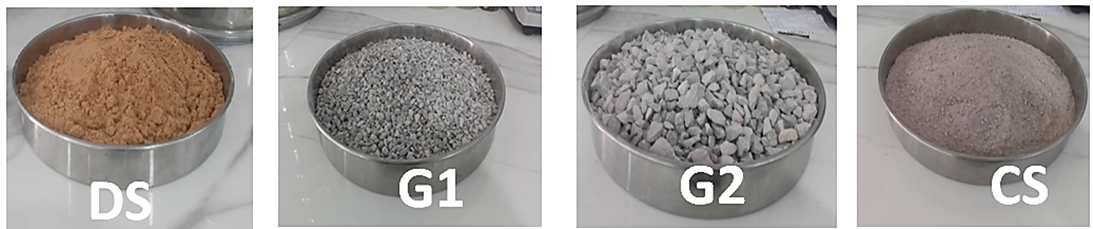
Fig.1. Aggregates used
Table 3. Properties of aggregates used
|
Properties |
G1 |
G2 |
CS |
DS |
Standards |
|
Density [g/cm³] |
2.69 |
2.69 |
2.64 |
2.64 |
EN 1097-6 |
|
Sand equivalent [%] |
– |
– |
74 |
78 |
EN 933-8 |
|
Water absorption [%] |
1.28 |
1.18 |
1.40 |
0.94 |
EN 1097-6 |
|
Fineness modulus |
– |
– |
2.79 |
1.65 |
EN 933-1 |
|
Micro-Deval [%] |
14.3 |
15.5 |
– |
– |
EN 1097-1 |
|
Los Angeles [%] |
28.1 |
27.1 |
– |
– |
EN 1097-2 |
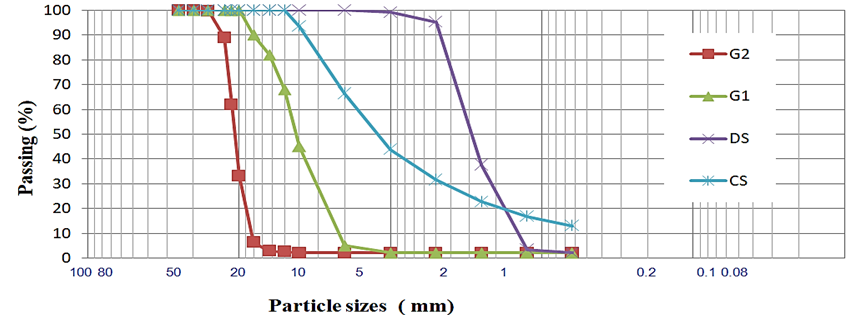
Fig. 2. particle size curves of aggregates used
2.1.3 Fibers
Three types of fibers were used in this study: conventional steel fibers (SF), recycled steel fibers (RSF), and recycled plastic straps fibers (PSF). SF, commercially known as Metal Products MPZGB35/0.55 (Fig. 3), was manufactured by Metal Products B.V. (Netherlands). These drawn SF are supplied in glued bundles, facilitating their uniform dispersion in the concrete mix and preventing fiber balling during mixing. The adhesive dissolves easily in the mixing water. The main physical and mechanical properties of the SF are presented in Table 4. PSF were obtained from waste packaging straps composed of polyethylene terephthalate (PET). These fibers exhibited a smooth surface and generally originate from industrial and commercial waste such as pallet strapping or brick bindings. The recycling process includes several stages: collection and washing to remove impurities (glue, dust, oils, etc.); mechanical cutting into controlled dimensions; and final drying and conditioning. The PSF were used directly after cutting, without any additional thermal or chemical treatment (Fig. 3), to ensure a cost-effective and environmentally sustainable approach. Their main properties are summarized in Table 4. RSF recovered from waste tires of light vehicles were used. These tires contain high-strength steel cords that provide rigidity and mechanical performance. The recycling process involves collection and mechanical shredding to separate rubber, textiles, and steel; magnetic extraction of the steel fibers; cleaning through sieving and washing to remove residual rubber; and final cutting and sizing to achieve the desired fiber dimensions. RSF presented a relatively smooth surface with minor surface irregularities resulting from the tire recycling process. The RSF were used without any chemical modification (Fig. 3), maintaining a sustainable and economical approach. The properties of the RSF are listed in Table 4.
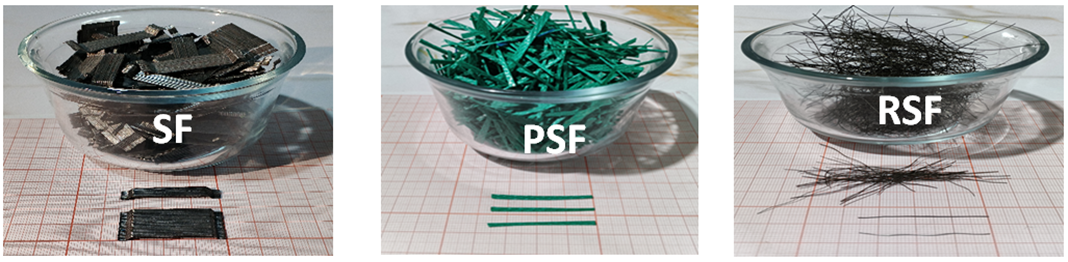
Fig. 3. Fibers used
Table 4. Properties of the fibers used
|
Fiber Type |
Length [mm] |
Diameter or Width [mm] |
Aspect Ratio |
Density [kg/m³] |
Tensile Strength [MPa] |
|
SF |
35 |
0.55 |
64 |
7850 |
1221 |
|
PSF |
35±5 |
2±0,5 |
15.5 |
1345 |
306 |
|
RSF |
35±5 |
0.3 |
115 |
7894 |
856 |
2.1.4 Admixture
In this study, the superplasticizer used (SP) is Sika Viscocrete-665, a new-generation SP belonging to the family of modified polycarboxylate ethers. This high-performance SP is designed to provide a significant water reduction while maintaining excellent workability of fresh concrete. The main properties of SP used are summarized in Table 5.
Table 5. Properties of SP used
|
Properties |
Value |
|
Chemical base |
Modified polpolycarboxylate |
|
Appearance |
Brown liquid |
|
Density (20°C) |
1,085 ± 0,015 |
|
PH |
5 ± 1 |
|
Sodium oxide equivalent (Na₂O-eq.) |
≤ 1,0 % |
|
Chloride content |
≤ 0,1 % |
2.2 Mix preparation and tests
The Dreux–Gorisse method was employed to determine the coarse-to-fine aggregate ratio of the control HPC mixture (CHPC). The PC and water contents were fixed at 420 kg/m³ and 173 L/m³, respectively. The SP was added at 0.85% of the PC weight to ensure adequate workability without increasing the water content. Subsequently, 0.5% and 1% of SF, PSF, and RSF were incorporated into the HPC mixtures by volumetric substitution of aggregates, in order to assess their influence on the properties of the formulated HPC (Table 6).
To ensure proper homogeneity of the fiber-reinforced HPC mixtures, all solid components were first mixed for three minutes, followed by the addition of water and SP, and further mixing for an additional three minutes. The fresh HPC mixtures were then cast and compacted in standard steel molds in accordance with NF P18-405. All specimens were compacted using a vibrating table. Vibration was applied for approximately 15 s, until adequate compaction was achieved. After 24 hours, the specimens were demolded and cured in water at 23 °C and 100% relative humidity until the testing age. For each test, three specimens were tested, and the reported results correspond to the average value obtained from the three measurements.
Table 6. Fiber-reinforced HPC mixtures composition
|
Mixtures |
DS [kg/m³] |
CS [kg/m³] |
G1 [kg/m³] |
G2 [kg/m³] |
PC [kg/m³] |
Water [kg/m³] |
SP [kg/m³] |
Fibers [kg/m³] |
|
CHPC |
192 |
739 |
195 |
707 |
420 |
173 |
3.57 |
00 |
|
HPCSF0,5 |
189.14 |
728.01 |
192.10 |
696.60 |
420 |
173 |
3.57 |
27.16 |
|
HPCSF1 |
86.27 |
717.02 |
189.19 |
686.20 |
420 |
173 |
3.57 |
54.32 |
|
HPCPF0,5 |
191.51 |
737.12 |
194.50 |
705.22 |
420 |
173 |
3.57 |
4.65 |
|
HPCPF1 |
191.02 |
735.23 |
194 |
703.22 |
420 |
173 |
3.57 |
9.30 |
|
HPCRSF0,5 |
189.12 |
727.95 |
192.08 |
696.54 |
420 |
173 |
3.57 |
27.31 |
|
HPCRSF1 |
186.24 |
716.90 |
189.16 |
686.08 |
420 |
173 |
3.57 |
54.62 |
In the fresh state, the workability, density, and air content were measured in accordance with standards NF EN 12350-2, NF EN 12350-6, and NF EN 12350-7, respectively. To evaluate the mechanical performance of the formulated HPC mixtures, compressive strength tests were carried out on 150 mm cubic specimens at 7, 28, 90, and 180 days, following NF EN 12390-3. Flexural strength was determined on 70 × 70 × 280 mm prisms at 7, 28, 90, and 180 days, according to NF EN 12390-5. Capillary water absorption tests were conducted on 70 × 70 × 280 mm prisms at 28 days in accordance with NBN B 15-215, while the water absorption by immersion was evaluated on 150 mm cube specimens in accordance with ASTM C642 standard. The shrinkage of HPC mixtures was measured to evaluate the longitudinal deformation caused by drying and moisture loss. The test was conducted on 70 × 70 × 280 mm prisms in accordance with ASTM C596. Chemical resistance tests were performed on 100 mm cubic specimens following ASTM C267-96. After 28 days of water curing, the specimens were removed, surface-dried, and then immersed in acid solutions prepared at a concentration of 5%. Two types of aggressive environments were considered: hydrochloric acid (HCl) and sulfuric acid (H₂SO₄), both prepared by diluting concentrated laboratory-grade acids with distilled water. The pH of each solution was initially adjusted to approximately 1.0 ± 0.2 and maintained throughout the exposure period. The specimens were fully submerged in the acid baths and stored at a constant temperature of 23 ± 2 °C. To preserve the aggressiveness of the medium, the acid solutions were renewed every 14 days. The exposure durations were set at 90 and 180 days. At the end of each period, the specimens were rinsed with distilled water, surface-dried, and tested to evaluate their residual compressive strength loss.
3 Results and discussion
3.1 Workability
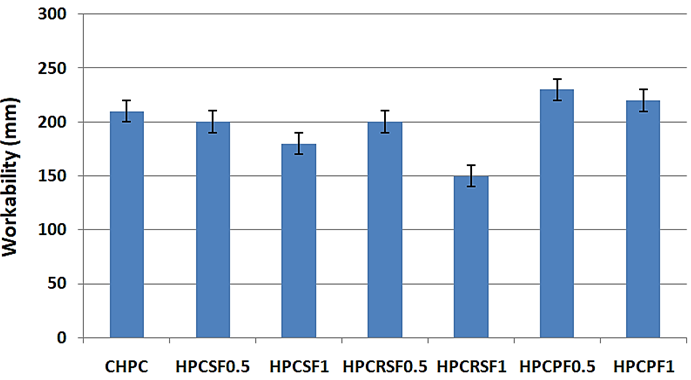
Fig. 4. Workability of fiber-reinforced HPC mixtures
Fig. 4 illustrates the workability of HPC mixtures incorporating SF, PSF, and RSF. A progressive reduction in workability was observed with increasing contents of SF and RSF. The incorporation of 1% SF and RSF decreased the slump from 210 mm to 180 mm and 150 mm, respectively. This reduction can be attributed to the high stiffness, elongated shape, and rough surface of these fibers, which increase internal friction between aggregates and the cement paste, thereby limiting particle mobility and reducing flowability. Moreover, the formation of a rigid interlaced network within the fresh mix further restricts fluid movement [16, 39-42]. Centoze et al. [16] noted that the irregular geometries of the RSF enhance inter-particle friction and the tendency of fibers to cluster, resulting in lower workability. In contrast, HPC mixtures containing PSF exhibited higher workability compared with the control HPC. The HPCPF0.5 mixture, containing 0.5% PSF, showed the greatest increase in workability, with an improvement of 9.52%. This enhancement is explained by the flexibility and lower surface roughness of PSF, which promote better dispersion and reduce internal friction, as noted by Yoo and Banthia [41], Ochi et al. [43], and Fraternali et al.[44].
3.2 Air content
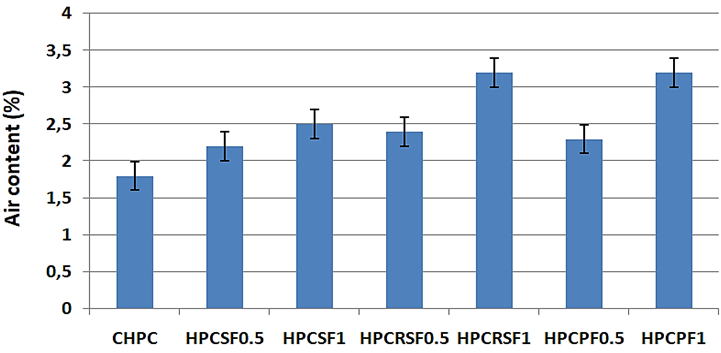
Fig. 5. Air content of fiber-reinforced HPC mixtures
Fig. 5 shows that the incorporation of fibers leads to an overall increase in the air content of HPC mixtures. The extent of this increase depends on both the type and content of fibers used. This trend can be explained by the presence of fibers within the HPC matrix, which create preferential zones for air entrapment during mixing, as noted by Bentur et al. [45]. Among all mixtures, HPC containing 1% PSF and RSF exhibited the highest increase in air content, by up to about 77.8% compared with the control HPC. This trend can be attributed to the elongated geometry and low density of PSF, which favor the retention of micro-air bubbles and reduce the efficiency of vibration compaction [46]. Moreover, the irregular shape and rough surface texture of RSF contribute to additional air-trapping zones within the matrix, further increasing the overall entrapped air volume [47].
3.3 Fresh density
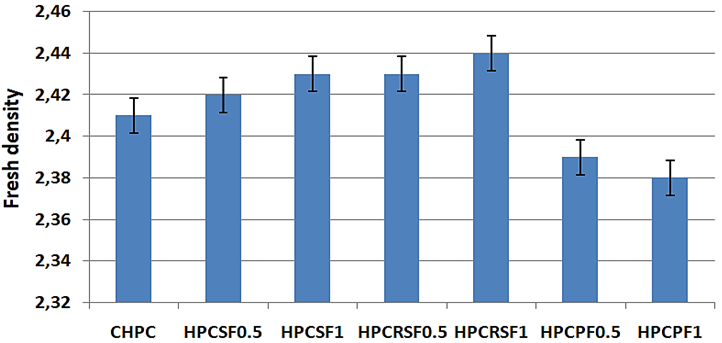
Fig. 6. Fresh density of fiber-reinforced HPC
The results presented in Fig. 6 indicate that the incorporation of fibers influences the fresh density of HPC, primarily depending on the intrinsic density of the fibers used [48]. The HPC mixtures reinforced with RSF exhibited the highest fresh density, followed by those containing SF. This trend can be attributed to the relatively high specific gravity of RSF and SF, typically exceeding 7.80 g/cm³ [49,50]. The incorporation of 1% RSF and SF increased the density by approximately 1.24% and 0.82%, respectively. In contrast, the addition of 1% PSF resulted in a reduction in density of about 1.65%, owing to the much lower specific gravity of PSF compared with mineral aggregates [51]. Overall, the incorporation of fibers in HPC led to only minor variations in density, ranging from +1.24% to -1.65%. These results suggest that appropriate selection and dosage of fibers can enhance the mechanical and durability properties of HPC without significantly affecting its density.
3.4 Compressive strength
Fig. 7 presents the compressive strength results of HPC mixtures incorporating SF, PSF, and RSF. The analysis reveals a significant improvement in compressive strength depending on both the fiber type and dosage. HPC mixtures reinforced with 1% SF and RSF exhibited the highest compressive strengths, particularly at longer curing ages. In contrast, the optimal performance of PSF-reinforced HPC was achieved with 0.5% fiber content. At 180 days, the incorporation of 1% SF and RSF increased compressive strength by 21.85% and 22.40%, respectively, compared with the control HPC mixture. The addition of 0.5% PSF resulted in a moderate improvement of 7.63%, whereas increasing the PSF content to 1% led to a slight increase in compressive strength by 2.21% compared with the control HPC.
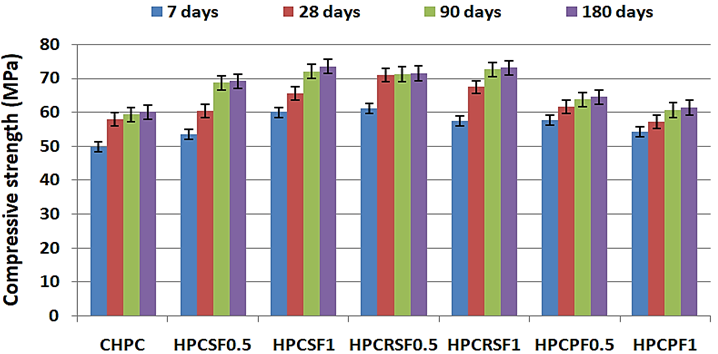
Fig. 7. Compressive strength of fiber-reinforced HPC mixtures
The enhancement of compressive strength observed in SF- and RSF-reinforced mixtures has been reported in the literature [16, 41, 42, 45]. This improvement is attributed to the strong mechanical bond and effective stress transfer between the steel fibers and the cementitious matrix, which promote a more uniform distribution of internal stresses, inhibit the initiation and propagation of microcracks, and contribute to the gradual densification of the microstructure during hydration [52].
The improvement in compressive strength of concrete containing PF has also been reported by several researchers [37,44,53]. This enhancement is generally attributed to the good dispersion of PF within the cementitious matrix, which contributes to a more homogeneous microstructure. The flexible nature of PF allows them to bridge microcracks during the early stages of loading, delaying their propagation and thus improving the post-cracking behavior and apparent compressive strength. Ochi et al. [37] and Fraternali et al. [44] also reported that the low water absorption of PF helps maintain the effective water-to-cement ratio, favoring a denser and more cohesive matrix. However, other studies have observed a slight decrease in compressive strength with increasing PF content [32, 54]. This reduction is mainly associated with the hydrophobic surface and low stiffness of polymer fibers, which limit bonding with the cement paste. Furthermore, excessive fiber content may lead to agglomeration and air entrapment, increasing porosity and weakening overall matrix cohesion [32].
3.5 Flexural strength
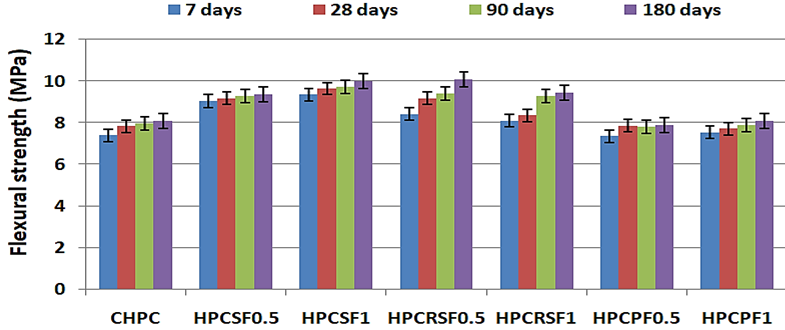
Fig. 8. Flexural strength of fiber-reinforced HPC mixtures
Fig. 8 presents the flexural strength results of fiber-reinforced HPC mixtures. Similar to the compressive strength behavior, a significant improvement in flexural strength was observed for HPC incorporating SF and RSF. The addition of 1% SF increased the flexural strength by 23.91%, while the inclusion of 0.5% RSF resulted in a 25.03% increase compared with the control HPC mixture. The enhancement in flexural strength of HPC containing SF and RSF has been reported by [3, 41, 42, 55, 56]. This improvement is primarily attributed to the strong bonding between steel fibers and the cementitious matrix, which enables efficient stress transfer across the matrix–fiber interface. During loading, the fibers act as crack-bridging elements, arresting the initiation and propagation of microcracks and enhancing the post-cracking ductility of the composite. Moreover, the high tensile strength and stiffness of steel fibers contribute to an effective redistribution of tensile stresses within the matrix, thereby increasing the flexural strength and toughness of HPC [3, 41, 57].
However, the HPC mixtures reinforced with PSF exhibit no measurable improvement and even show a neutral or slightly negative effect, depending on curing age. The incorporation of 0.5% PF led to a slightly lower value by 2.23% compared with the reference HPC, while 1% PF resulted in a similar value. The reduction in flexural strength of concrete containing PF has also been reported by several authors [37, 58-62], who attributed it to the low stiffness and tensile strength of plastic fibers compared with steel fibers.
3.6 Ultrasonic pulse velocity (UPV)
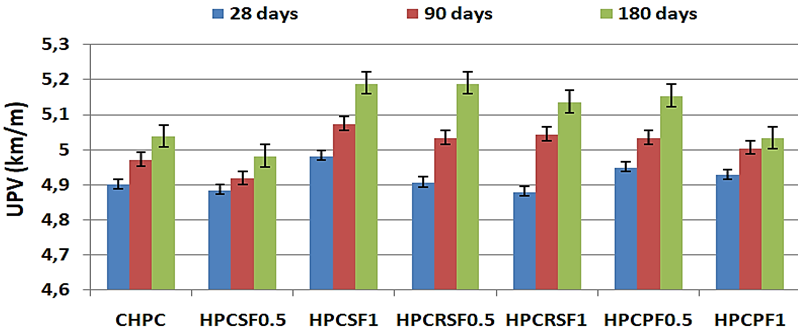
Fig. 9. UPV of fiber-reinforced HPC mixtures
Ultrasonic Pulse Velocity (UPV) testing is a non-destructive method used to evaluate the compactness, homogeneity, and internal quality of concrete. The propagation velocity of ultrasonic waves depends directly on the density and continuity of the cementitious matrix. Higher velocities indicate a denser and more homogeneous material, whereas lower velocities reveal internal voids, discontinuities, or microcracks [63]. As shown in Fig. 9, although mixtures HPCSF0.5 and HPCPF1 exhibit slightly lower UPV values than the control HPC, all other fiber-reinforced HPC mixtures display higher UPV values. This improvement indicates a denser and more cohesive internal structure due to the incorporation of fibers, as reported by Abdulrehman et al. [64] and Gebretsadik et al. [65]. The maximum increase in UPV by about 3% at 90 days was observed for HPC mixtures containing 1% SF and 0.5% RSF. According to ASTM C597, which classifies concrete as very good quality when UPV exceeds 4.5 km/s, all fiber-reinforced HPC mixtures formulated in this study can be categorized as high-quality concretes with excellent internal compactness.
3.7 Water absorption
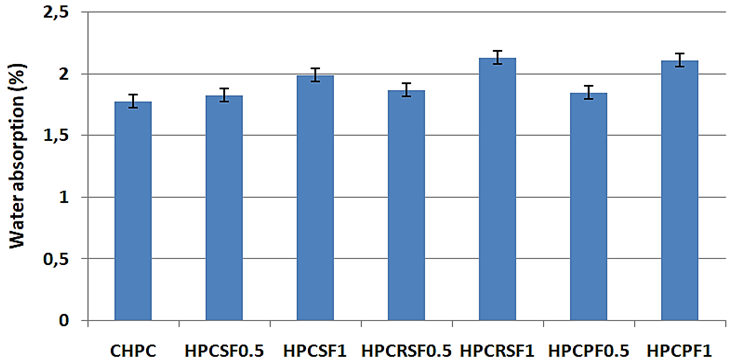
Fig. 10. Water absorption by immersion of fiber-reinforced HPC mixtures
Fig. 10 presents the water absorption by immersion results of the fiber-reinforced HPC mixtures. A gradual increase in water absorption with increasing fiber content is observed, regardless of the fiber type. The incorporation of 1% SF, RSF, and PSF led to increases in water absorption of 11.79%, 19.66%, and 18.53%, respectively. Similar trend was reported by [64, 66,67], and was attributed to the higher air content in fiber-reinforced concretes and the formation of more porous interfacial transition zones (ITZ) surrounding the fibers [3, 68]. It should be noted that all fiber-reinforced concrete mixtures exhibited comparable water absorption values up to a fiber content of 0.5%. However, when the fiber content exceeded 0.5%, the RSF-reinforced concrete exhibited the highest water absorption, followed by the PF-reinforced concrete, whereas the SF-reinforced concrete showed the lowest water absorption. According to the CEB-FIP Model Code, concrete with water absorption values below 3% is classified as being of good quality. Based on this criterion, all fiber-reinforced HPC mixtures in this study can be considered of good quality, despite the slight increase in water absorption.
Figure 11 illustrates the capillary water absorption of the formulated fiber-reinforced HPC mixtures. These results reveal that water absorption through capillarity increases over time for all fiber-reinforced HPC mixtures. However, the magnitude of absorption depends on both the type and dosage of fibers incorporated. Similar to the results obtained from the water absorption by immersion test, all reinforced HPC mixtures follow the same trend in capillary absorption behavior. The highest water absorption values are observed for the mixtures containing 1% fibers, indicating an increase in the rate of water uptake with higher fiber content. At a fiber content of 1%, RSF-reinforced concrete continued to exhibit the highest water absorption, whereas PF- and SF-reinforced concrete showed comparable water absorption values. These results confirm that the presence of fibers increases the porosity around the interfacial transition zone (ITZ), as reported by Afroughsabet and Ozbakkaloglu [3] and Haruna et al. [68].
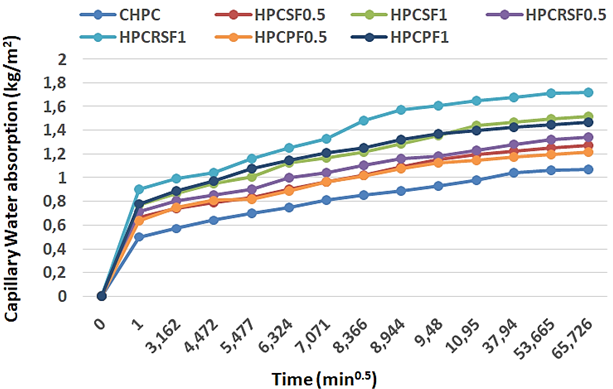
Fig. 11. Capillary water absorption of fiber-reinforced HPC mixtures
3.8 Drying shrinkage
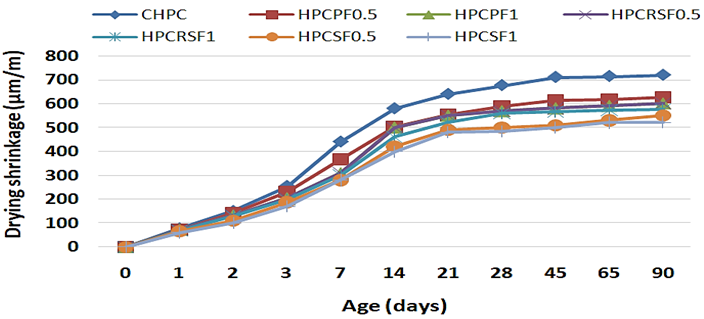
Fig. 12. Drying shrinkage of fiber-reinforced HPC mixtures
Fig. 12 illustrates the drying shrinkage behavior of the fiber-reinforced HPC mixtures. A distinct beneficial effect of incorporating SF, RSF, and PSF is observed, as all fiber-reinforced mixtures exhibit reduced drying shrinkage compared to the control HPC. After 90 days, the control mixture (CHPC) shows a drying shrinkage value of 720 µm/m, whereas the mixtures containing 1% SF, RSF, and PSF record shrinkage values of 522 µm/m, 570 µm/m, and 600 µm/m, respectively. These values correspond to reductions of 16.66%, 20.83, and 27.50% relative to the control HPC, confirming the effectiveness of fiber addition in mitigating drying shrinkage in HPC. The reduction of drying shrinkage in HPC containing fibers is attributed to the restraining of microcrack formation and the limitation of volumetric contraction during moisture loss [69-73]. Choi et al. [69] reported a nearly linear reduction in drying shrinkage with increasing fiber content in self-compacting concrete, confirming the efficiency of fibers in mitigating drying-induced deformations.
3.9 Chemical attack resistance
3.9.1 Resistance to hydrochloric acid attack resistance
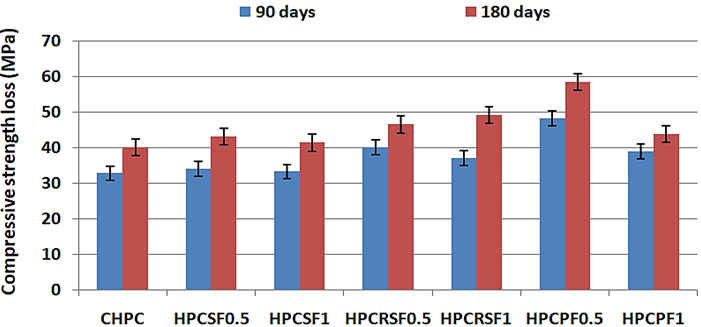
Fig. 13. Compressive strength loss of fiber-reinforced HPC mixtures immersed in HCl solution
Fig. 13 illustrates the compressive strength loss of fiber-reinforced HPC immersed in hydrochloric acid (HCl) solution. It is evident that all mixtures exposed to HCl experienced a significant decrease in compressive strength, and this loss intensified with longer exposure duration. The inclusion of fibers appears to have an adverse effect on the HPC resistance to acid attack, as all fiber-reinforced HPC exhibited greater strength loss than the control HPC. Among the fiber types, SF-reinforced concrete demonstrated the lowest reduction in compressive strength, whereas RSF- and PSF-reinforced HPC showed higher losses. After 180 days of immersion, the HPC containing 1% SF exhibited a 3.29% reduction in compressive strength compared to the control HPC, while mixtures containing 1% RSF and PSF recorded reductions of 22.96% and 9.40%, respectively. This trend has also been reported by several researchers [74-77]. Kos et al. [77] observed that the incorporation of SF and PF in concrete exposed to acidic environments did not enhance its acid resistance and led to higher strength loss compared with plain concrete. Marcos-Meson et al. [75] further reported that exposure of SF-reinforced concrete to acid solutions resulted in greater deterioration of its mechanical performance due to the increased permeability and water absorption of concrete.
3.9.2 Resistance to sulphuric acid attack
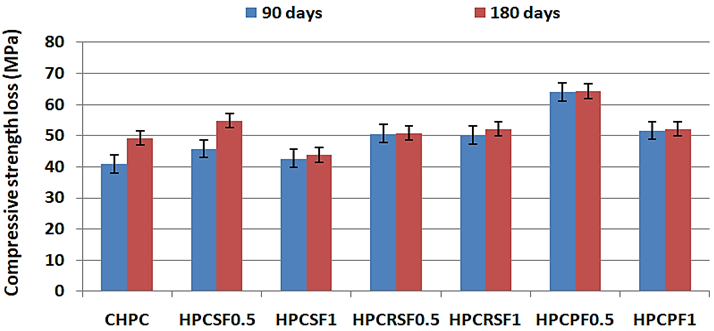
Fig. 14. Compressive strength loss of fiber-reinforced HPC mixtures immersed in H2SO4 solution
Fig. 14 presents the compressive strength loss of fiber-reinforced HPC mixtures immersed in sulfuric acid (H₂SO₄) solution. The fiber-reinforced HPC mixtures exhibited behavior similar to those exposed to HCl solution. Except for the mixture containing 1% SF (HPCSF1), all fiber-reinforced HPCs showed greater final compressive strength loss than the control HPC. This trend confirms the unfavorable effect of fiber incorporation on the acid resistance of HPC [78-80]. These observations are consistent with the results of water absorption and air content tests, which increased with higher fiber content in the HPC composition and consequently facilitated the penetration of acid into the HPC matrix.
4 Conclusions
This study investigated the effect of the incorporation of SF, RSF, and PSF on the physic-mechanical and durability properties of HPC. Based on the experimental findings, the following key conclusions can be drawn:
The incorporation of fibers significantly affects the rheological and physical properties of HPC. Workability is primarily governed by the intrinsic characteristics of the fibers, where the rigidity and surface roughness of SF and RSF reduce HPC mobility, while the flexibility and smooth texture of PSF slightly enhance it. The presence of fibers also promotes higher air content, particularly in mixtures containing PSF and RSF, due to the formation of preferential zones for air entrapment during mixing. Conversely, fiber addition has only a minor effect on the fresh density of HPC, which mainly depends on the specific gravity of the fibers.
Regarding mechanical strengths, the incorporation of fibers enhances both the compressive and flexural strengths of HPC, particularly when SF and RSF are used. This improvement is mainly attributed to the strong interfacial bond and efficient stress transfer between steel fibers and the cementitious matrix, which promote crack bridging and stress redistribution. PSF also contributes to a moderate gain in compressive strength at optimal contents. However, its low stiffness and weak interfacial adhesion limit its effectiveness in improving flexural behavior and may even reduce performance when used in excess.
The incorporation of fibers leads to a slight increase in both total and capillary water absorption of HPC, mainly due to the higher air content and the formation of more porous interfacial transition zones around the fibers. Despite this increase, all mixtures maintained water absorption values below 3%, indicating that the fiber-reinforced HPC still exhibits good overall quality.
The incorporation of SF, RSF, and PSF effectively reduces the drying shrinkage of HPC. This improvement is mainly attributed to the fibers’ ability to restrain micro-crack formation, limit volumetric contraction, and enhance stress redistribution during moisture loss. Among the studied mixtures, SF showed the greatest shrinkage reduction, confirming its efficiency in controlling drying-induced deformations.
The incorporation of fibers into the concrete mixture was found to adversely affect its resistance to chemical attack, particularly in the case of waste-derived fibers. The increase in porosity facilitates the ingress of aggressive ions into the concrete matrix, leading to greater losses in compressive strength.
Acknowledgements
No external funding was received.
References
- Maglad, A. M., Mansour, W., Tayeh, B. A., Elmasry, M., Yosri, A. M., & Fayed, S. (2023). Experimental and analytical investigation of fracture characteristics of steel fiber-reinforced recycled aggregate concrete. International Journal of Concrete Structures and Materials, 17, 74. https://doi.org/10.1186/s40069-023-00637-w
- Ma, J., Yuan, H., Zhang, J., & Zhang, P. (2024). Enhancing concrete performance: A comprehensive review of hybrid fiber reinforced concrete. Structures, 64, 106560. https://doi.org/10.1016/j.istruc.2024.106560
- Afroughsabet, V., & Ozbakkaloglu, T. (2015). Mechanical and durability properties of high-strength concrete containing steel and polypropylene fibers. Construction and Building Materials, 94, 73–82. https://doi.org/10.1016/j.conbuildmat.2015.06.051
- De Alencar Monteiro, V. M., Lima, L. R., & De Andrade Silva, F. (2018). On the mechanical behavior of polypropylene, steel and hybrid fiber reinforced self-consolidating concrete. Construction and Building Materials, 188, 280–291. https://doi.org/10.1016/j.conbuildmat.2018.08.103
- Aydin, A. C. (2007). Self compactability of high volume hybrid fiber reinforced concrete. Construction and Building Materials, 21(6), 1149–1154. https://doi.org/10.1016/j.conbuildmat.2006.11.017
- Alabduljabbar, H., Alyousef, R., Alrshoudi, F., Alaskar, A., Fathi, A., & Mohamed, A. M. (2019). Mechanical effect of steel fiber on the cement replacement materials of self-compacting concrete. Fibers, 7(4), 36. https://doi.org/10.3390/fib7040036
- Khaloo, A., Raisi, E. M., Hosseini, P., & Tahsiri, H. (2013). Mechanical performance of self-compacting concrete reinforced with steel fibers. Construction and Building Materials, 51, 179–186. https://doi.org/10.1016/j.conbuildmat.2013.10.054
- De Figueiredo, A. D., & Ceccato, M. R. (2015). Workability analysis of steel fiber reinforced concrete using SLUMP and VE-BE test. Materials Research, 18(6), 1284–1290. https://doi.org/10.1590/1516-1439.022915
- Iqbal, S., Ali, A., Holschemacher, K., & Bier, T. A. (2015). Mechanical properties of steel fiber reinforced high strength lightweight self-compacting concrete (SHLSCC). Construction and Building Materials, 98, 325–333. https://doi.org/10.1016/j.conbuildmat.2015.08.112
- Olivito, R., & Zuccarello, F. (2009). An experimental study on the tensile strength of steel fiber reinforced concrete. Composites Part B: Engineering, 41(3), 246–255. https://doi.org/10.1016/j.compositesb.2009.12.003
- Liew, K. M., & Akbar, A. (2020). The recent progress of recycled steel fiber reinforced concrete. Construction and Building Materials, 232, 117232. https://doi.org/10.1016/j.conbuildmat.2019.117232
- Bjegovic, D., Baricevic, A., Lakusic, S., Damjanovic, D., & Duvnjak, I. (2014). Positive interaction of industrial and recycled steel fibres in fibre reinforced concrete. Journal of Civil Engineering and Management, 19(Suppl. 1), S50–S60. https://doi.org/10.3846/13923730.2013.802710
- Neocleous, K., Tsioulou, M., & Pantazopoulou, S. J. (2006). Processing of steel fibres from used tires for concrete reinforcement. Journal of Materials in Civil Engineering, 18(5), 677–682.
- Tlemat, H., Pilakoutas, K., & Neocleous, K. (2006). Stress-strain characteristic of SFRC using recycled fibres. Materials and Structures, 39(3), 365–377. https://doi.org/10.1007/s11527-005-9009-4
- Leone, M., Centonze, G., Colonna, D., Micelli, F., & Aiello, M. (2017). Fiber-reinforced concrete with low content of recycled steel fiber: Shear behaviour. Construction and Building Materials, 161, 141–155. https://doi.org/10.1016/j.conbuildmat.2017.11.101
- Centonze, G., Leone, M., & Aiello, M. (2012). Steel fibers from waste tires as reinforcement in concrete: A mechanical characterization. Construction and Building Materials, 36, 46–57. https://doi.org/10.1016/j.conbuildmat.2012.04.088
- Zia, A., Zhang, P., & Holly, I. (2023). Experimental investigation of raw steel fibers derived from waste tires for sustainable concrete. Construction and Building Materials, 368, 130410. https://doi.org/10.1016/j.conbuildmat.2023.130410
- Aiello, M., Leuzzi, F., Centonze, G., & Maffezzoli, A. (2009). Use of steel fibres recovered from waste tyres as reinforcement in concrete: Pull-out behaviour, compressive and flexural strength. Waste Management, 29(6), 1960–1970. https://doi.org/10.1016/j.wasman.2008.12.002
- Köroğlu, M. A. (2019). Behavior of composite self-compacting concrete (SCC) reinforced with steel wires from waste tires. Revista de la Construcción, 17(3), 484–498. https://doi.org/10.7764/rdlc.17.3.484
- Su, P., Li, M., Dai, Q., & Wang, J. (2023). Mechanical and durability performance of concrete with recycled tire steel fibers. Construction and Building Materials, 394, 132287. https://doi.org/10.1016/j.conbuildmat.2023.132287
- Medina, D. F., Martínez, M. C. H., Medina, N. F., & Hernández-Olivares, F. (2023). Durability of rubberized concrete with recycled steel fibers from tyre recycling in aggressive environments. Construction and Building Materials, 400, 132619. https://doi.org/10.1016/j.conbuildmat.2023.132619
- Magbool, H. M. (2025). Sustainability of utilizing recycled plastic fiber in green concrete: A systematic review. Case Studies in Construction Materials, 22, e04432. https://doi.org/10.1016/j.cscm.2025.e04432
- Bhogayata, A. C., & Arora, N. K. (2018). Workability, strength, and durability of concrete containing recycled plastic fibers and styrene-butadiene rubber latex. Construction and Building Materials, 180, 382–395. https://doi.org/10.1016/j.conbuildmat.2018.05.175
- Ghernouti, Y., Rabehi, B., Bouziani, T., Ghezraoui, H., & Makhloufi, A. (2015). Fresh and hardened properties of self-compacting concrete containing plastic bag waste fibers (WFSCC). Construction and Building Materials, 82, 89–100. https://doi.org/10.1016/j.conbuildmat.2015.02.059
- Yin, S., Tuladhar, R., Shi, F., Combe, M., Collister, T., & Sivakugan, N. (2015). Use of macro plastic fibres in concrete: A review. Construction and Building Materials, 93, 180–188. https://doi.org/10.1016/j.conbuildmat.2015.05.105
- Aziz, K. I., & Kuhair, H. A. (2019). Mechanical properties for ordinary concrete containing waste plastic fibers. Iraqi Journal of Civil Engineering, 11(2), 33–44.
- Al-Hadithi, A. I., Noaman, A. T., & Mosleh, W. K. (2019). Mechanical properties and impact behavior of PET fiber reinforced self-compacting concrete (SCC). Composite Structures, 224, 111021. https://doi.org/10.1016/j.compstruct.2019.111021
- Gu, L., & Ozbakkaloglu, T. (2016). Use of recycled plastics in concrete: A critical review. Waste Management, 51, 19–42. https://doi.org/10.1016/j.wasman.2016.03.005
- Ghorpade, V. G., & Rao, H. S. (2018). The behaviour of self compacting concrete with waste plastic fibers when subjected to chloride attack. Materials Today: Proceedings, 5(1), 1501–1508. https://doi.org/10.1016/j.matpr.2017.11.239
- Khalid, F., Irwan, J., Ibrahim, M. W., Othman, N., & Shahidan, S. (2018). Performance of plastic wastes in fiber-reinforced concrete beams. Construction and Building Materials, 183, 451–464. https://doi.org/10.1016/j.conbuildmat.2018.06.122
- Shaikh, F. U. A. (2020). Tensile and flexural behaviour of recycled polyethylene terephthalate (PET) fibre reinforced geopolymer composites. Construction and Building Materials, 245, 118438. https://doi.org/10.1016/j.conbuildmat.2020.118438
- Kim, S. B., Yi, N. H., Kim, H. Y., Kim, J. J., & Song, Y. (2009). Material and structural performance evaluation of recycled PET fiber reinforced concrete. Cement and Concrete Composites, 32(3), 232. https://doi.org/10.1016/j.cemconcomp.2009.11.002
- Silva, D., Betioli, A., Gleize, P., Roman, H., Gómez, L., & Ribeiro, J. (2005). Degradation of recycled PET fibers in Portland cement-based materials. Cement and Concrete Research, 35(9), 1741–1746. https://doi.org/10.1016/j.cemconres.2004.10.040
- Won, J., Jang, C., Lee, S., Lee, S., & Kim, H. (2009). Long-term performance of recycled PET fibre-reinforced cement composites. Construction and Building Materials, 24(5), 660–665. https://doi.org/10.1016/j.conbuildmat.2009.11.003
- Fode, T. A., Jande, Y. A. C., & Kivevele, T. (2024). Physical, mechanical, and durability properties of concrete containing different waste synthetic fibers for green environment: A critical review. Heliyon, 10(12), e32950. https://doi.org/10.1016/j.heliyon.2024.e32950
- Plastics Europe. (2023). Plastics: The facts 2023: An analysis of European plastics production, demand and waste data.
- Alabdulkarim, A., El-Sayed, A. K., Alsaif, A. S., Fares, G., & Alhozaimy, A. M. (2024). Behavior of lightweight self-compacting concrete with recycled tire steel fibers. Buildings, 14(8), 2463. https://doi.org/10.3390/buildings14082463
- Zerig, T., Aidoud, A., Belachia, M., Djedid, T., & Abbas, M. (2023). Combined sand eco-mortar reinforced with polyethylene terephthalate: Behavior and optimization using RSM method. Construction and Building Materials, 404, 133160. https://doi.org/10.1016/j.conbuildmat.2023.133160
- Li, V. C., Mishra, D. K., & Wu, H. C. (1992). Influence of fiber addition on workability and rheology of cement composites. Journal of Materials in Civil Engineering, 4(4), 357–372. https://doi.org/10.1061/(ASCE)0899-1561(1992)4:4(357)
- Silva, F., de Brito, J., & Dhir, R. (2016). Use of recycled plastic in concrete: A review. Construction and Building Materials, 123, 411–427. https://doi.org/10.1016/j.conbuildmat.2016.07.102
- Yoo, D.-Y., & Banthia, N. (2016). Mechanical properties of ultra-high-performance fiber-reinforced concrete: A review. Cement and Concrete Composites, 73, 201–? https://doi.org/10.1016/j.cemconcomp.2016.08.001
- Song, P. S., & Hwang, S. (2004). Mechanical properties of high-strength steel fiber-reinforced concrete. Construction and Building Materials, 18(9), 669–673. https://doi.org/10.1016/j.conbuildmat.2004.04.027
- Ochi, T., Okubo, S., & Fukui, K. (2007). Development of recycled PET fiber and its application as concrete-reinforcing fiber. Cement and Concrete Composites, 29(6), 448–455. https://doi.org/10.1016/j.cemconcomp.2007.02.002
- Fraternali, F., Ciancia, V., Chechile, R., Rizzano, G., Feo, L., & Incarnato, L. (2011). Experimental study of the thermo-mechanical properties of recycled PET fiber-reinforced concrete. Composite Structures, 93(9), 2368–2374. https://doi.org/10.1016/j.compstruct.2011.03.025
- Bentur, A., & Mindess, S. (2007). Fibre reinforced cementitious composites (2nd ed.). Taylor & Francis. https://doi.org/10.1201/9780203963692
- Siddique, R., Khatib, J., & Kaur, I. (2007). Use of recycled plastic in concrete: A review. Waste Management, 28(10), 1835–1852. https://doi.org/10.1016/j.wasman.2007.09.011
- Thomas, C., Setién, J., Polanco, J., Cimentada, A., & Medina, C. (2018). Influence of curing conditions on recycled aggregate concrete. Construction and Building Materials, 172, 618–625. https://doi.org/10.1016/j.conbuildmat.2018.04.009
- Neville, A. M. (2011). Properties of concrete (5th ed.). Pearson Education.
- Naaman, A. E. (2003). Engineered steel fibers with optimal properties for reinforcement of cement composites. Journal of Advanced Concrete Technology, 1(3), 241–252. https://doi.org/10.3151/jact.1.241
- Boulekbache, B., Hamrat, M., Bouziane, H., & Benkara, H. (2018). Behavior of reinforced concrete beams pre-cracked and repaired by composite materials under static loading. MATEC Web of Conferences, 149, 02017. https://doi.org/10.1051/matecconf/201814902017
- Capitão, S., Picado-Santos, L., & Martinho, F. (2012). Pavement engineering materials: Review on the use of warm-mix asphalt. Construction and Building Materials, 36, 1016–1024. https://doi.org/10.1016/j.conbuildmat.2012.06.038
- Ganesan, N., Indira, P. V., & Sabeena, M. V. (2013). Durability characteristics of steel fibre reinforced concrete with fly ash. Construction and Building Materials, 46, 201–208. https://doi.org/10.1016/j.conbuildmat.2013.04.025
- Foti, D. (2013). Use of recycled waste PET bottles fibers for the reinforcement of concrete. Composite Structures, 96, 396–404. https://doi.org/10.1016/j.compstruct.2012.09.019
- Albano, C., Camacho, N., Hernández, M., Matheus, A., & Gutiérrez, A. (2009). Influence of content and particle size of waste PET bottles on concrete behavior at different w/c ratios. Waste Management, 29(10), 2707–2716. https://doi.org/10.1016/j.wasman.2009.05.007
- Sivakumar, A., & Santhanam, M. (2007). Mechanical properties of high-strength concrete reinforced with metallic and non-metallic fibers. Cement and Concrete Composites, 29(8), 603–608. https://doi.org/10.1016/j.cemconcomp.2007.03.006
- Cunha, V. M. C. F., Barros, J. A. O., & Sena-Cruz, J. M. (2010). Pullout behavior of steel fibers in self-compacting concrete. ACI Materials Journal, 107(5), 418–427. https://doi.org/10.1061/(ASCE)MT.1943-5533.0000001
- Li, V. C. (2003). On engineered cementitious composites (ECC): A review of the material and its applications. Journal of Advanced Concrete Technology, 1(3), 215–230.
- Khan, S. (2024). Enhancing the mechanical properties of fibre-reinforced concrete through sustainable mix design: Effects of fibre type and dose. Discover Civil Engineering, 1(1). https://doi.org/10.1007/s44290-024-00087-7
- Moghadam, M. A., Abbasi, A., & Fazlavi, M. (2024). A comprehensive review of the effect of various PET fiber percentages and shapes on the mechanical properties of concrete. Computational Engineering and Physical Modeling, 7(2), 15–29. https://doi.org/10.22115/CEPM.2024.455265.1307
- Adnan, H. M., & Dawood, A. O. (2020). Strength behavior of reinforced concrete beam using re-cycle of PET wastes as synthetic fibers. Case Studies in Construction Materials, 13, e00367. https://doi.org/10.1016/j.cscm.2020.e00367
- Bhogayata, A. C., & Arora, N. K. (2017). Fresh and strength properties of concrete reinforced with metalized plastic waste fibers. Construction and Building Materials, 146, 455–463. https://doi.org/10.1016/j.conbuildmat.2017.04.095
- Mehvish, F., Ahmed, A., Saleem, M. M., & Saleem, M. A. (2020). Characterization of concrete incorporating waste polythene bags fibers. Pakistan Journal of Engineering and Applied Sciences, 26, 93–101. https://journal.uet.edu.pk/ojs_old/index.php/pjeas/article/view/2046
- American Concrete Institute. (2019). In-place methods to estimate concrete strength (ACI 228.1R-19).
- Abdulrehman, M. A., Kasim, S. R., Eweed, K. M., & Razak, K. A. (2024). A critical review of mechanical, physical and durability properties of slurry infiltrated fibrous concrete (SIFCON). Annales de Chimie: Science des Matériaux, 48(6). https://doi.org/10.18280/acsm.480602
- Gebretsadik, B., Jadidi, K., Farhangi, V., & Karakouzian, M. (2021). Application of ultrasonic measurements for the evaluation of steel fiber reinforced concrete. Engineering, Technology & Applied Science Research, 11(1), 6662–6667. https://doi.org/10.48084/etasr.3915
- Mohanty, S. K., Pandit, N. K., Sah, P. K., Mahaseth, N., Yadav, R., Biswal, D. R., Mohapatra, B. G., Beriha, B., Pradhan, R., & Pradhan, S. K. (2024). Durability, capillary rise and water absorption properties of a fiber-reinforced cement-stabilized fly ash–stone dust mixture. Infrastructures, 9(2), 17. https://doi.org/10.3390/infrastructures9020017
- Assagbavi, K., Doko, K. V., & Tako, D. (2025). Effect of polyethylene terephthalate (PET) fibers on concrete properties. International Journal of Research and Review, 12(9), 85–98. https://doi.org/10.52403/ijrr.20250910
- Haruna, S. I. (2021). Experimental study on the rate of absorption of water of basalt, polypropylene, and steel fibers reinforced concrete. Civil Engineering Journal, 30(2). https://doi.org/10.14311/CEJ.2021.02.0036
- Choi, J., Lee, H., Yuan, T., & Yoon, Y. (2023). Mechanical and shrinkage performance of steel fiber reinforced high strength self-compacting lightweight concrete. Cement and Concrete Composites, 144, 105296. https://doi.org/10.1016/j.cemconcomp.2023.105296
- Revuelta, D., Carballosa, P., Calvo, J. L. G., & Pedrosa, F. (2021). Residual strength and drying behavior of concrete reinforced with recycled steel fiber from tires. Materials, 14(20), 6111. https://doi.org/10.3390/ma14206111
- Li, Y., Li, V. C., & Wang, S. (2008). Effect of polypropylene fibers on shrinkage and cracking of concretes. Materials and Structures, 41(5), 871–882. https://doi.org/10.1617/s11527-007-9284-0
- Zhou, X., Wang, Q., & Zhang, Y. (2023). Drying shrinkage behavior of steel fiber–reinforced self-compacting concrete. International Journal of Concrete Structures and Materials, 17(4), 602.
- Yu, J., Wu, Q., Zhao, D., & Jiao, Y. (2025). Influence of recycled tire steel fiber content on the mechanical properties and fracture characteristics of ultra-high-performance concrete. Materials, 18(14), 3300. https://doi.org/10.3390/ma18143300
- Chen, Y., Waheed, M., Iqbal, S., Rizwan, M., & Room, S. (2024). Durability properties of macro-polypropylene fiber reinforced self-compacting concrete. Materials, 17(3), 455. https://doi.org/10.3390/ma17020284
- Marcos-Meson, V., Fischer, G., Edvardsen, C., Skovhus, T. L., & Michel, A. (2019). Durability of steel fibre reinforced concrete exposed to acid attack: A literature review. Construction and Building Materials, 174, 113–122. https://doi.org/10.1016/j.conbuildmat.2018.12.051
- Kroviakov, S., Kryzhanovskyi, V., & Hedulian, D. (2025). Comparison of the corrosion resistance of fiber-reinforced concrete with steel and polypropylene fibers in an acidic environment. Materials, 18(1), 6. https://doi.org/10.3390/constrmater5010006
- Kos, Ž., Kroviakov, S., Kryzhanovskyi, V., & Hedulian, D. (2022). Strength, frost resistance, and resistance to acid attacks on fiber-reinforced concrete for industrial floors and road pavements with steel and polypropylene fibers. Materials, 15(23), 8339. https://doi.org/10.3390/ma15238339
- Awrahman, S. M., Hasan, R. A., & Khaleel, H. R. (2024). Experimental study on direct shear strength of fiber reinforced self-compacting concrete under acid and sulfate attack. Periodica Polytechnica Civil Engineering, 68(2), 225–19. https://doi.org/10.3311/PPci.22519
- Dhanaraj, R., & Sakthieswaran, N. (2020). Acid attack on reinforced concrete incorporated with industrial wastes. Journal of Advances in Chemistry, 17(4), 2843–2851. https://doi.org/10.24297/jac.v12i22.2843
- Faraji, M., Isik, M. A., Bodur, B., Ucdemir, G., et al. (2025). Chemical resistance and toughness of fiber-reinforced ferrocement composites in H₂SO₄ and Na₂SO₄ environments. Construction and Building Materials, 412, 134322. https://doi.org/10.1016/j.conbuildmat.2025.141593
Conflict of Interest Statement
The authors declare no conflict of interest.
Author Contributions
Data Availability Statement
There is no data set associated with the study.
Supplementary Materials
There are no supplementary materials to include.